On Saturday, May 31, Illinois lawmakers passed a $55.2 billion state budget before adjourning the spring state legislative session. Against the backdrop of federal uncertainty, the Fiscal Year 2026 (FY26) state budget SB2510 HA#3 includes a bittersweet number of HIV-related appropriations alongside a near $1 million funding cut to PrEP and STI services.

Earlier this year, AIDS Foundation Chicago (AFC) released the 2025 State Advocacy Agenda for the spring session of the 104th Illinois General Assembly. The agenda focuses on policies that address racial health disparities affecting Black, Latine, and LGBTQ+ communities impacted by HIV and homelessness. These priorities align with the goals of the Getting to Zero Illinois (GTZ-IL) 2.0 Plan to end the HIV epidemic in Illinois by 2030.

While AFC thanks lawmakers for maintaining level funding in some key areas, the nearly $1 million reduction in funding for PrEP and STI services is deeply disappointing at a time when Trump administration is threating to cut or completely eliminate HIV and STI program funding, essential tools in our fight to end the HIV epidemic. The legislature cut funding for the state’s PrEP access program by 25%, from $2 million to $1.5 million, which could reduce the state’s capacity to link people to HIV prevention medications. The state’s STI treatment funding line was cut by 90% from $500,000 to $50,000.  There have been encouraging recent declines in new STI cases; this is not the time to cut funding for STI treatment when the state is making progress in testing and treating people with STIs. We also understand that any unspent funding by the Illinois Department of Public Health (IDPH) in previous fiscal years jeopardizes appropriations made by the state legislature in future fiscal years, and call on IDPH to improve their processes so they can fully and timely spend all the allocated HIV funding in Fiscal Year 2026 (FY26).

During the spring session, AFC advocated for the protection of the Health Benefits for Immigrant Adults (HBIA) Program, which provides state-funded Medicaid-like coverage for immigrants ages 42-64 who aren’t otherwise eligible for traditional Medicaid, including people living with and vulnerable to HIV. Unfortunately, the state legislature ultimately decided to eliminate the HBIA program. AFC will continue to partner alongside the Healthy Illinois Campaign and other community partners to advocate for the expansion of accessible, quality, affordable healthcare coverage to all people in Illinois, regardless of immigration status.

In partnership with community members and organizations, and our legislative champions, AFC made meaningful progress on several policy priorities:

HB3628 HCA#1/SB2637, Strengthening and Protecting Illinois’ HIV Funding Infrastructure 3.0

AFC was proud to advocate for a $2 million increase in state funding for HIV education, prevention, testing, and treatment in the state’s Fiscal Year 2026 budget, along with $2.8 million in new funding to create 140 additional HIV dedicated units of permanent supportive housing. This legislation also included the protection of funding for the Getting to Zero Illinois (GTZ-IL) initiative, PrEP4Illinois program, STI testing, treatment, and prevention and the African American HIV/AIDS Response Fund (AAHARF).

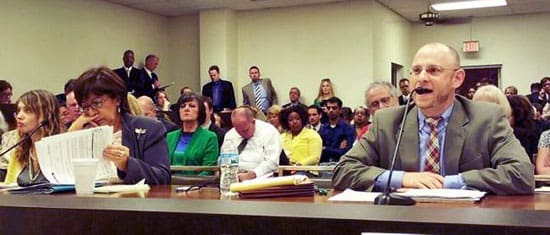
END OF SESSION STATUS: State legislators included flat-funding and reductions across various HIV-related line items in the state’s Fiscal Year 2026 budget SB2510 HA#3. HB3628 HCA#1 received a subject matter hearing in the House Appropriations-Health and Humans Services Committee, with 478 witness slips submitted in support. Here’s a breakdown of the HIV-specific line items in the state’s FY26 budget:

- Level funding for HIV treatment and prevention services, also known as the HIV Lump Sum ($25.5 million)

- Reappropriated funds for the African American HIV/AIDS Response Act (AAHARA) that funds grants to Black-led community-based organizations ($7.8 million)

- Level funding for the GTZ-IL line item ($5.5 million)

- Level funding for the Quality of Life Endowment Fund for grants related to HIV/AIDS prevention and education ($1 million)

- Cut to funding for the PrEP4Illinois program ($1.5 million previously funded at $2 million)

- Cut to funding for grants and administrative expenses for STI testing, treatment, and prevention ($50,000 previously funded at $500,000)

Considering the state’s fiscal shortfalls and the looming federal funding uncertainty, AFC is especially grateful for State Senator Mike Simmons (D-Chicago) and State Representative Hoan Huynh (D-Chicago) for their steadfast work in the General Assembly to champion increased HIV-related funding. The state’s FY26 budget passed the Illinois General Assembly on May 31, 2025, and now awaits Governor Pritzker’s signature.


HB3628 HCA#1/SB2637,  Securing investments to prevent & end homelessness for Illinoisans living with HIV

AFC and its supporting organization, the Center for Housing & Health (CHH), were proud to advocate for $2.8 million in new state funding for Fiscal Year 2026. This funding would create 140 additional housing units and supportive services across the state, specifically for people living with HIV. This type of investment reinforces our commitment to stable housing as a key factor in improving health outcomes for people living with HIV.

END OF SESSION STATUS: Legislators did not include the permanent supportive housing funding ask in the Fiscal Year 2026 budget SB2510 HA#3 but AFC remains steadfast in continuing this advocacy moving forward. Additionally, on April 30th, AFC led the first-ever HIV Housing Advocacy Day, where 8 advocates engaged 18 lawmakers to raise awareness about HIV-related housing needs.


HB2584, Removing barriers to accessing HIV treatment & prevention medications

Prior authorization is a requirement by health insurance plans for patients to obtain approval of a health care service or medication before the care is provided. However, these requirements often cause delays for patients, including those with chronic conditions like HIV, and in turn, result in negative clinical outcomes. AFC was proud to lead the effort to ban prior authorizations in health insurance plans for HIV treatment and prevention medications.

END OF SESSION STATUS: Unfortunately, this legislation did not advance in the state legislative process this session. The bill received a bipartisan vote out of the House chamber with 78 voting yes, 35 voting no, and 0 voting present. State budget impact concerns have temporarily stalled the bill in the Senate chamber, but on May 28, 2025, the Senate Insurance committee granted a Subject Matter Hearing for HB2584 to help provide policy background for legislators.  AFC will continue to work alongside our advocacy partners and our legislative champions Representative Kelly Cassidy (D-Chicago) and Senator Laura Fine (D-Glenview) to advance this needed legislation in subsequent sessions of the Illinois General Assembly.


HB2929, Addressing the impact of Illinois’ Opioid crisis

Recognizing the intersection of the overdose crisis and the HIV epidemic, AFC was proud to support legislation that would create one Overdose Prevention Site (OPS) pilot site on Chicago’s West Side. OPS programs in other cities are proven to reduce harm, prevent overdose deaths, connect people who use drugs with vital services, and help improve public safety.

END OF SESSION STATUS: While the bill did not move forward, a historic vote by the Illinois Opioid  Remediation Advisory Board in January recommended the allocation of $18 million to fund OPS initiatives, laying the groundwork for future implementation of this pilot site.

As a member of the Illinois Harm Reduction and Recovery Coalition (IHRRC), AFC will continue to work alongside harm reduction advocates, people with lived experience, and our legislative champion Representative LaShawn Ford (D-Chicago) to advance this necessary legislation in the future.


HB1443/SB66, Lowering the cost of prescription drugs on Illinois families

Many Illinoisans, including people living with and vulnerable to HIV, are often forced to choose between their medication and other necessities, like rent and groceries. Prescription drugs don’t work if people can’t afford them! AFC was proud to support HB1443/SB66, legislation that would establish a Prescription Drug Affordability Board (PDAB), an independent, nonpartisan body with the authority to evaluate high-cost prescription drugs and set upper payment limits on what Illinoisans will pay.

END OF SESSION STATUS: Unfortunately, this legislation did not advance in the state legislative process this spring session. AFC will continue to work alongside Citizen Action Illinois, the Protect Our Care Illinois (POCIL) coalition, and our legislative champions Representative Nabeela Syed (D-Palatine) and Senator Robert Peters (D-Chicago) to advance this important legislation in the future.


Advocacy In Action

We are deeply grateful to the advocates, allies, and people living with HIV who supported AFC’s 2025 Advocacy Agenda. On February 26, more than 30 advocates traveled to Springfield for HIV Advocacy Day, participating in legislative policy briefings and meetings with lawmakers. We also hosted a Solidarity Happy Hour in Chicago and activated over 300 people to send 1,500 advocacy emails to state legislators.

The work is only possible through our shared commitment and collective voice. Thank you for standing with us!

To stay involved, sign up for AFC’s Mobile Action Network and help us continue advancing health equity and our collective work to end the HIV epidemic in Illinois by 2030.