AFC 40 to honor Craig W. Johnson, former AFC Board of Directors member and national leader in LGBTQ+ health
Livvie Avrick, Digital Communications Manager
January 16, 2025
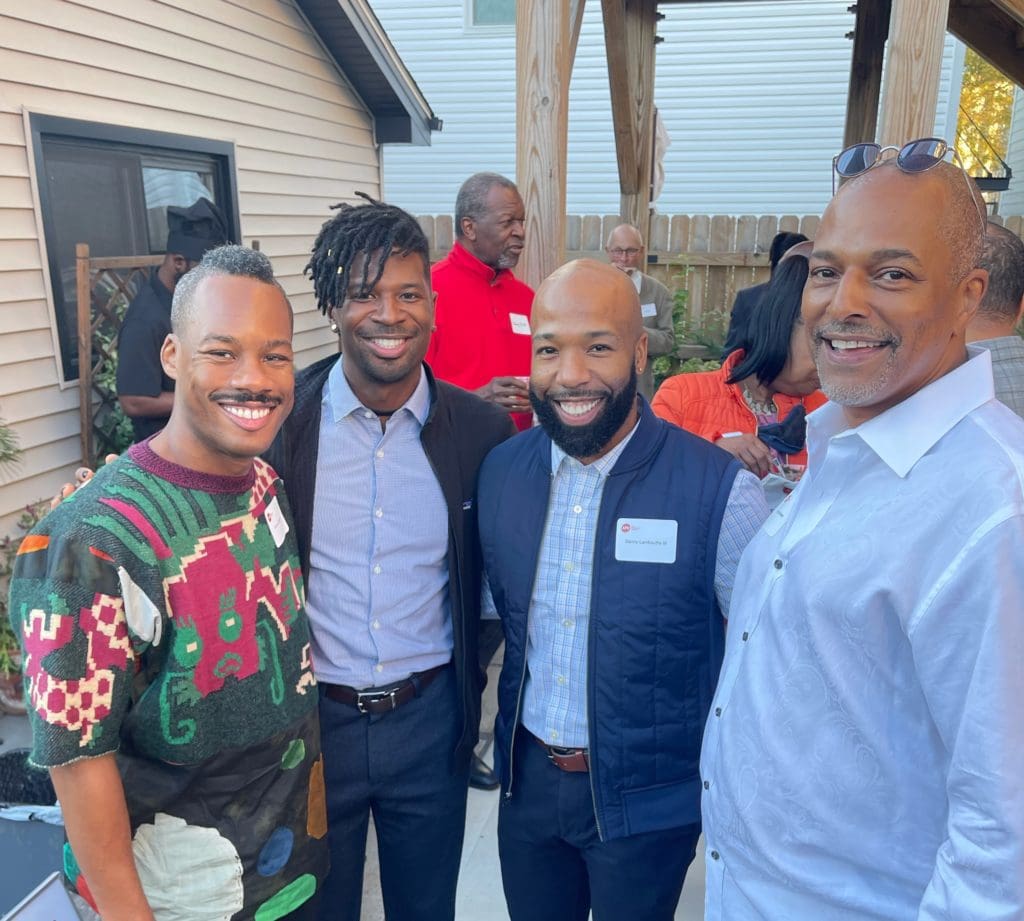
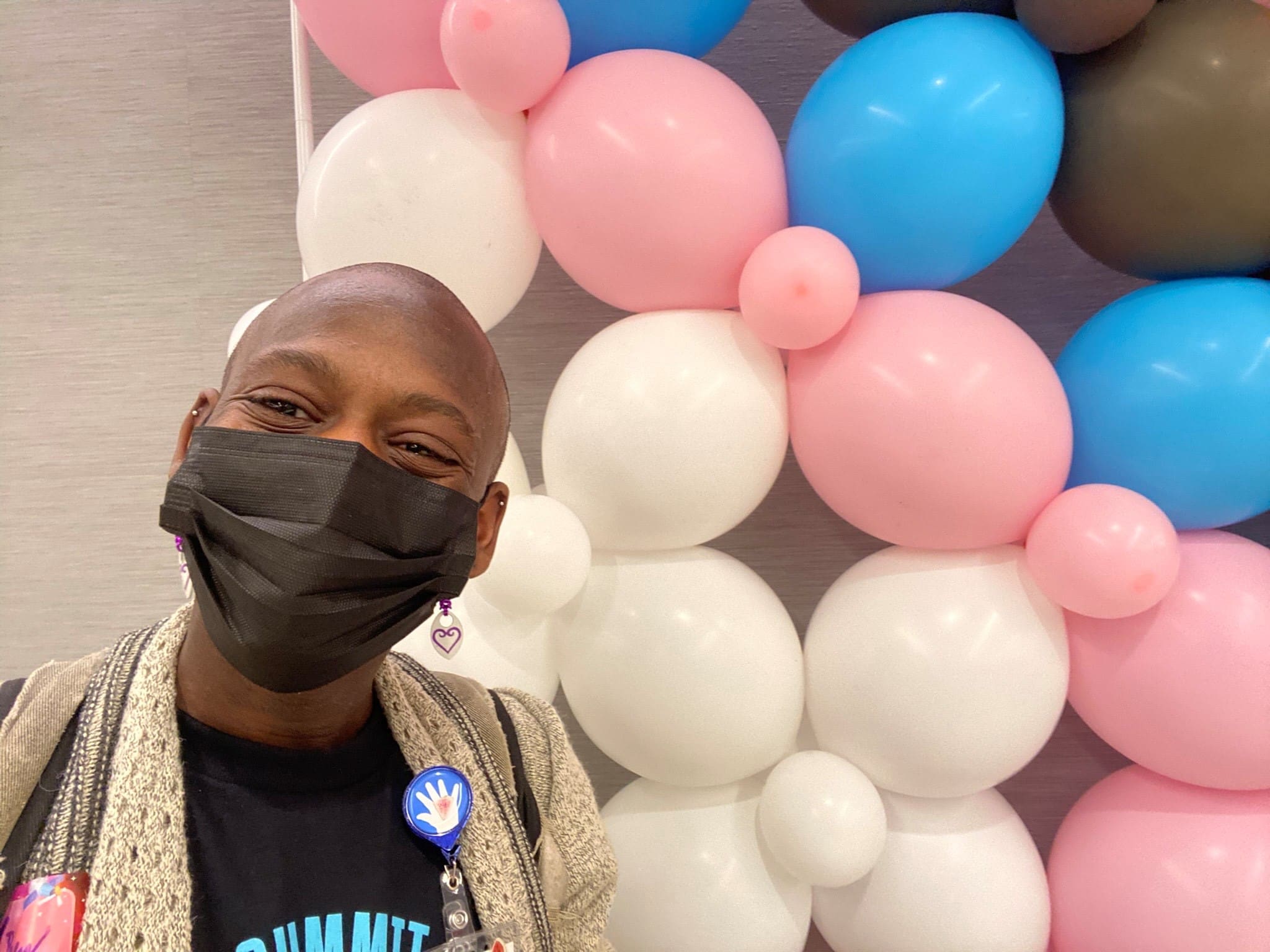
On Saturday, April 5, former Board of Directors member (2016 – 2022) Craig W. Johnson will be honored with the Lori Kaufman Volunteer Award at AFC40, a gala commemorating 40 years of service from AIDS Foundation Chicago. Craig is a native of Chicago’s South Side and is recognized as a national leader in LGBTQ+ healthcare, HIV care, and health equity. He has held numerous advisory, advocacy, and board leadership roles for nonprofit, civic, and governmental organizations in the field.

Diagnosed in 2004 with HIV, Craig’s professional career in the HIV sector began as a research assistant and community health promoter in the Infectious Diseases Unit at Rush University Medical Center. At Rush, Craig developed communications strategies to counteract health disparities and encourage more underrepresented populations to participate in HIV clinical trials. Currently, Craig serves as the Senior Program Officer for the American Medical Association (AMA) Foundation where he directs various grant-funded projects that support physician leadership and excellence, health equity, restorative justice, LGBTQ+ health, and workforce diversity in medicine.

We sat down with Craig to talk about his time on AFC’s Board of Directors and his career in public health and HIV advocacy.
What does it mean to you to be nominated for the Lori Kaufman award at AFC’s 40-year gala?

It's an amazing honor first of all, to even be considered. It’s just incredibly moving, personal and humbling. I’m especially honored that Lori Kaufman, my former board colleague who has served 36 years on AFC’s board and who will now continue her volunteer leadership as the inaugural chair of the Honorary Board, will present the award.  She joined the board in 1989, at the beginning of the epidemic and she continues to advise, organize, inspire and contribute to AFC’s development efforts on a regular basis.

Are there any standout projects or initiatives that you worked on while serving on AFC’s Board of Directors?

I had an amazing time working with the Policy and Advocacy team – including committee members from the Board, external volunteers, but most importantly, the AFC staff. I had the benefit of working both with Nadine Israel as well as with Ramon Gardenhire in their capacities as vice presidents over that area. The work, the dedication, the strategy, and the relationships that exist in that unit advance AFC’s advocacy efforts and community impact in terms of engagement with visit elected officials, and public awareness campaigns to really move the needle regarding health policy, housing policy and homelessness. The efforts to align legislative advocacy and organizational partnerships to improve the lives of people living with and vulnerable to HIV are incredible.
What are some of your favorite events to participate in that AFC hosts?

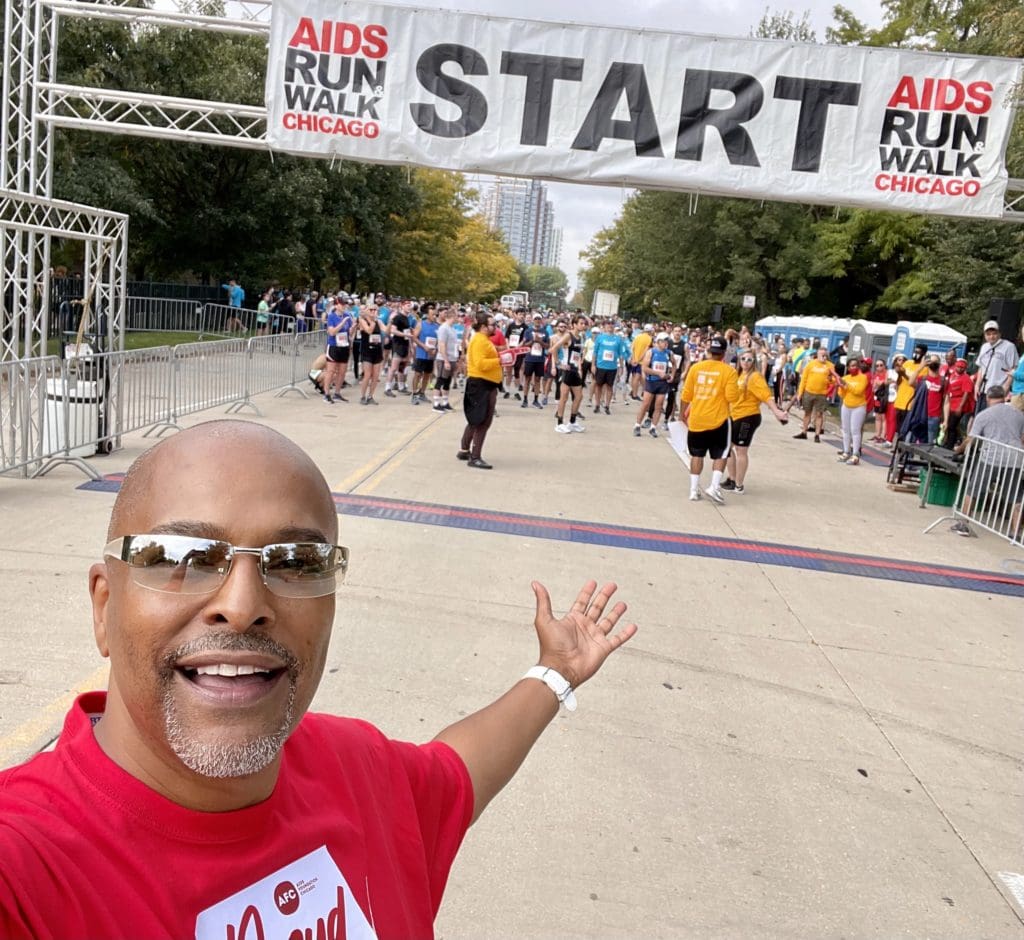
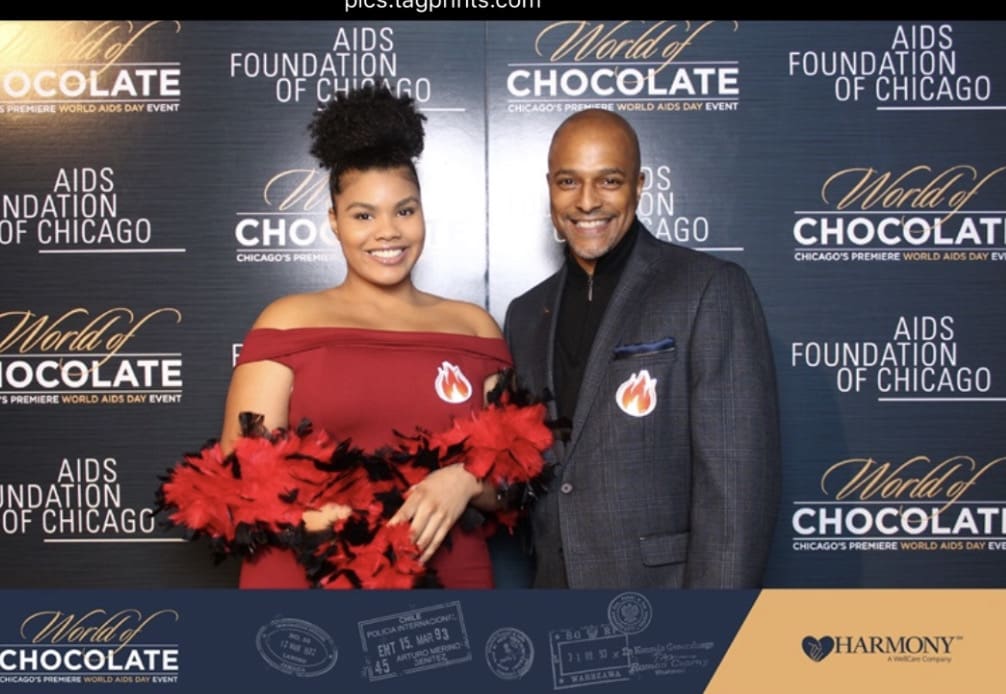
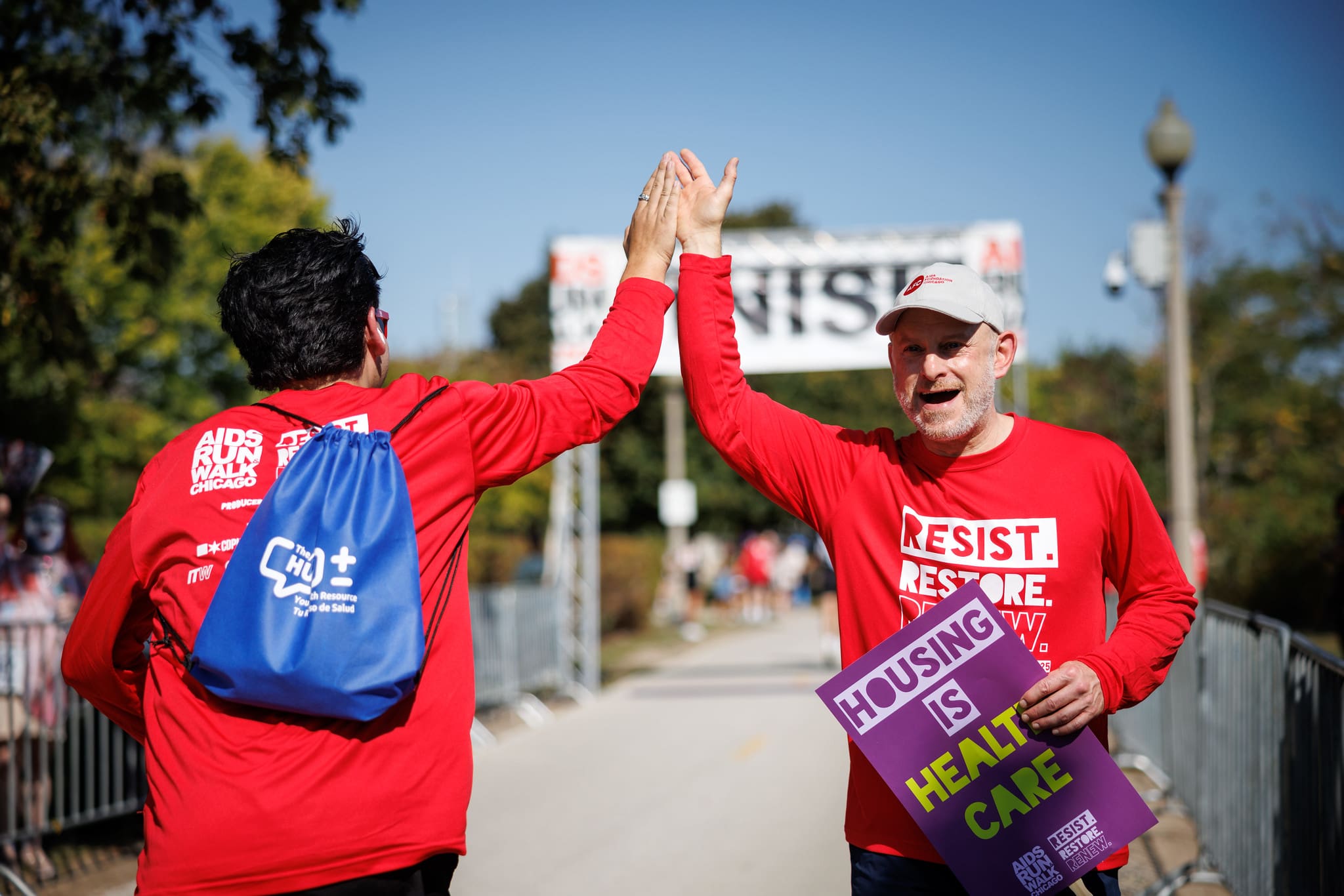
I love the Annual Meeting because it is dedicated time where staff can engage with grantees and other community beneficiaries of AFC’s work. I enjoy the AIDS Run & Walk because it’s a lot of fun; it's outdoors and you're getting your steps in, and it's so casual yet so pivotal in AFC’s development and community engagement goals. I also love World of Chocolate because it's so creative and unique in its approach. It’s a happy occasion and a terrific opportunity for people from around the Chicagoland area to network, enjoy creative chocolate dishes designed by local vendors, and collectively contribute to AFC’s mission and goals.
How has doing this work changed you?

When I was in my 20s and 30s, we were losing people left and right. I've lost well over 100 people in my lifetime to HIV and AIDS, and so to know that here we are in a different phase of the epidemic, where we're now trying to figure out how to end the epidemic by 2030 by eliminating new cases through the use of tools that folks have been developing for years.

I have been positive for 20 years, and I think that my work with the board, with staff, and community have changed me into someone who is way more aware of the efforts that are underway in Chicago and nationally. I've become a resource to so many people -- friends, strangers and colleagues -- who want to get more involved, or who have questions about antiretroviral treatment options, or preventative options such as PrEP. It's very uplifting and humbling.

I’ve been inspired by the sheer dedication and commitment of AFC’s staff, Associate Board and Governing Board, as well as its grantees, its strategic partners and its political and community allies.  Every AFC business unit gives their all.  During my two terms as board chair and especially during COVID, John Peller’s steady and consistent leadership as AFC’s president & CEO was also particularly inspiring as we partnered to meet challenges, and as we strategized to make the best decisions possible on behalf of AFC and its many stakeholders.

This is not easy work.  And like all chronic diseases, there are social and political health determinants, as well as stigma that have an undeniable influence on the disparities and health outcomes that impact our loved ones, our neighbors and colleagues.  But together, there is a strong, incredible community of people in Chicago and nationally who put their best foot forward every single day to advocate, educate, accommodate, fundraise, and otherwise move the needle toward positive change on behalf of people living with, and those who are vulnerable to HIV/AIDS.  I’m grateful for every AFC employee and every volunteer and every community partner who shows up, who shows out, and who is intentional about how they are making a difference in the lives of so many people and how their work helps us get closer to ending the HIV/AIDS epidemic.

You've been doing such incredible work across various sectors for a long time, and I'm wondering, how do you stay motivated? How do you keep going?

As long as I'm waking up and able to move and breathe - that right there is motivation. To know so many people living with HIV, and to have lost so many others who never made it out of their 20s, who never made it out of their 30s, who were in the prime of their life. For me, their lives, their spirit, their legacy helps to motivate me.

I have been around a long time now and I've seen a lot of change, and I understand better each year the phrase from Martin Luther King Jr., “the arc of the moral universe is long, but it bends toward justice.” It's that notion that Rome wasn't built over night. It's that notion that it takes time and patience to make widespread, positive, and impactful change.

There are certainly occasions where I’m challenged to stay motivated and engaged.  That's normal, I think with most people. But it's usually short-lived.  You realize that there's work to be done. Sometimes, we can't keep looking around at others. We have to be the ones to make the difference.  And, if we've already made the commitment with AFC, we have to be involved, whether that's as staff, board members, or volunteers.

At the beginning of the AIDS epidemic, there were no long-acting shots, there were no daily pills. People were just dying and had no treatment options. Over time, treatment options involved taking a high number of pills on a daily basis that were life sustaining. Later, around the turn of the century, single daily dose pills became an option for the vast majority of people who were diagnosed with HIV. And now, more recently, PrEP and antiretroviral therapy through long-term injections have become available options to stop the spread of HIV. Who would have thought that 20 years ago? I can remember being in conversations with folks about injectables when I was working at Rush in Chicago, and I was excited to be at the very beginning of what is going to be a huge life changing, life altering experience for so many folks. I think all of those are things that motivate me and keep me going, and they also keep me wondering, what's next? What are people working on now that we're going to see in 10 years? What lessons will be learned? What impact will it have on the community? What lives will be saved that otherwise might not have been? And hopefully we'll all be around to see a cure.