By Indigo Quashie
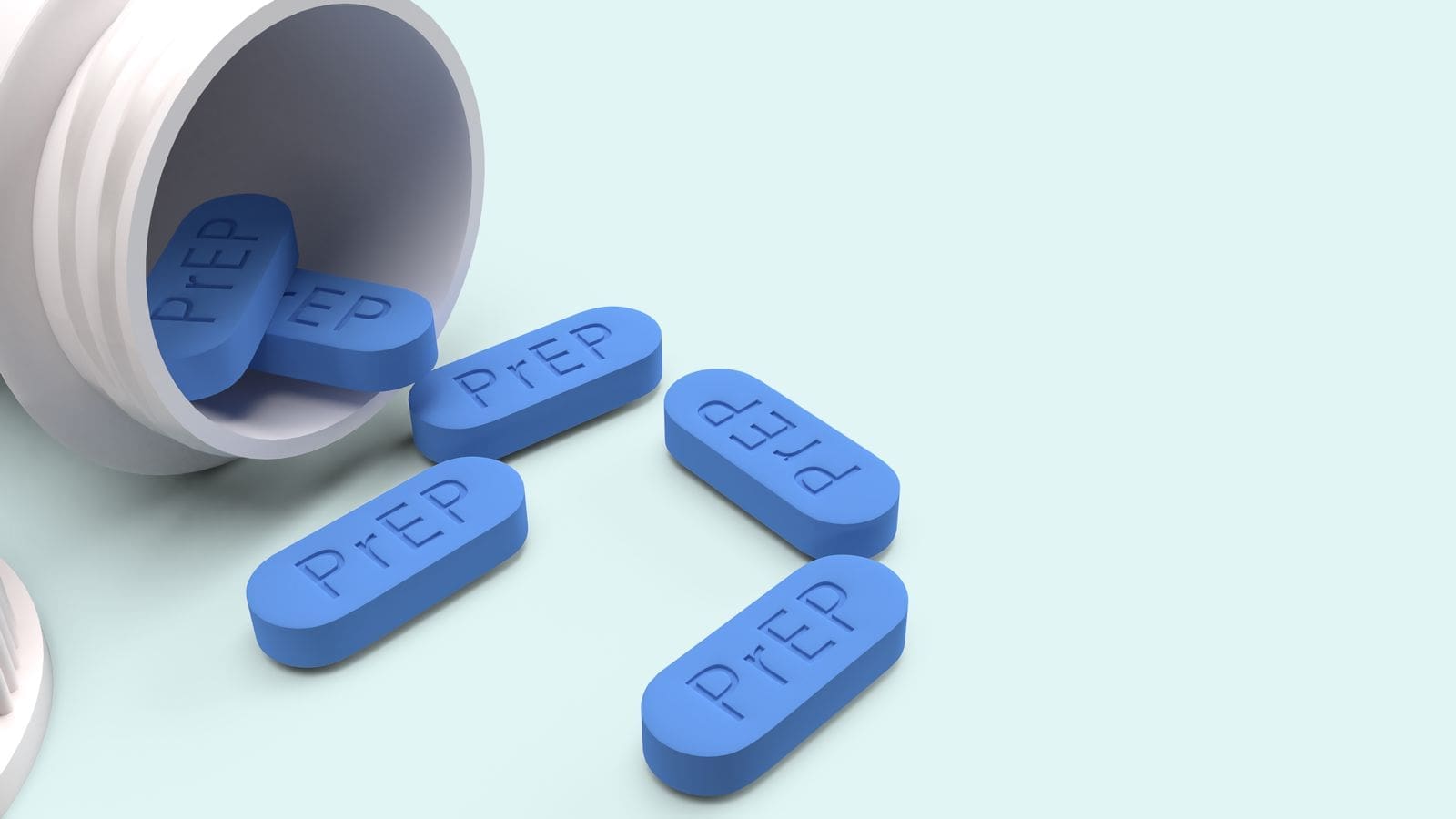
SPRINGFIELD – On April 7th, 2022, HB4430: Increasing Access to PrEP & PEP Through Community Pharmacies was passed by the Illinois House with a vote of 72-30! Sponsored by State Representative Kelly M. Cassidy (D-Chicago), HB4430 calls for the pharmaceutical dispensation of pre-exposure prophylaxis (PrEP) and post-exposure prophylaxis (PEP), which are both highly effective preventative medications that protect people from contracting HIV. The next and final legislative step for this bill is its transition to Governor Pritzker’s desk, where we expect him to sign it into law.
Once signed into law, HB4430 would enact the following reforms:
- Allow pharmacists, under a standing order of a licensed physician, to administer and dispense lifesaving pre-and post-exposure prophylaxis medication and care to the communities most vulnerable to HIV.
- Aid pharmacists in referring individuals to ongoing preventative care and giving them the ability to connect patients to laboratories for additional tests to determine if PrEP is the most appropriate course of care. Pharmacists will continue to facilitate connections to ongoing medical care and social support services.
With Governor Pritzker’s signature, Illinois will become the 8th state to increase HIV preventative medication accessibility through pharmacies. “Increasing access to PrEP and PEP is a key component of the Getting to Zero Illinois plan to end the HIV epidemic by 2030. Extending access to these proven and highly effective prevention tools to the Black, Latinx, and LGBTQ+ communities most impacted by HIV allows us to address one of the main drivers of the epidemic, HIV-related stigma, in a meaningful way”, shared Timothy S. Jackson, AIDS Foundation Chicago’s (AFC) Director of Government Relations.
Thank you to State Representatives Kelly Cassidy, Margaret Croke (D-Chicago), and Greg Harris (D-Chicago), in addition to State Senator Mike Simmons (D-Chicago) for championing this important legislation through the Illinois General Assembly.
AIDS Foundation Chicago is proud to have partnered with the Illinois Pharmacists Association, Howard Brown Health, Equality Illinois, the Illinois Retail Merchants Association, Walgreens, Avita Pharmacy, Community Renewal Society, and other stakeholders on this critical legislation.
To stay updated on the status of this bill, as well as our other 2022 policy priorities, sign up for our Action Alerts!
By Indigo Quashie

SPRINGFIELD—On March 31st, 2022, SB3490: Disrupting Disparities for LGBTQ+ Older Adults and Older Adults Living With HIV passed out of the Illinois House of Representatives with a bipartisan vote of 71-32! This is the first of AIDS Foundation Chicago’s (AFC) 2022 policy priorities to pass both chambers during this year’s state legislative session. With Governor Pritzker’s signature, SB3490 will create a three-year Commission on LGBTQ+ Aging; establish an LGBTQ+ Older Adult Advocate at the Illinois Department on Aging; and require providers who are funded by or contract with the Illinois Department on Aging to complete cultural competency training.
“More than half of people living with HIV in the United States are over the age of 50 and face innumerable challenges as they progress in their later years including stigma, isolation, and various comorbidities,” says Timothy Jackson, AFC’s Director of Government Relations. “AFC and Pride Action Tank are proud to champion SB3490, critical legislation that will address some of these challenges faced by LGBTQ older adults and older adults living with HIV head on.”
As this bill makes its way to Governor Pritzker’s desk for his signature, AFC wants to extend our sincere thanks to Senator Karina Villa (D-West Chicago) and Representative Lakesia Collins (D-Chicago) for sponsoring this important measure. We also congratulate community advocates who continuously took action in support of SB3490 from this year’s Illinois HIV Advocacy Day and onward. We would not be able to get our bills passed without your support. AFC and Pride Action Tank are proud to work alongside AARP Illinois, Equality Illinois, Center on Halsted, and SAGE to advance this legislation through the IL General Assembly.
To stay connected with upcoming news on this bill through text, sign up for our 2022 Policy Action Alerts
By Indigo Quashie

Meg McElroy, former Manager, Policy and Advocacy
On March 10th, 2022, AIDS Foundation Chicago (AFC) said goodbye to a wonderful team member, Meg McElroy, as she takes her next career step. She worked at this organization for the past three and a half years as the Manager of Policy & Advocacy. Although she was known for her work on Getting to Zero Illinois, Meg had her hands in many legislative and coalition projects working towards reproductive health access and HIV decriminalization. In her last few days as a member of the AFC team, Meg reflected on her work, her environment, and how they helped mold her into the person she is today. When asked about how working at AFC aided in both her professional and personal growth, Meg opened up about how the diversity at AFC, and the lack of diversity in her previous career spaces, had a significant impact on her.
“Growing up, at school, and through my early tenure in my career were white-dominated and focused on issues impacting and prioritizing the dominant white culture. These institutions, and in turn I, did not examine or explore the intersectional identities people brought into spaces. In my early 20s was fortunate to be able to do some endurance work with Team to End AIDS (T2), and it opened my eyes to a world and an experience I never walked through. AFC has brought such amazing people into my life with rich and vibrant histories, experiences, and identities. These colleagues, and now friends, have allowed me to examine, work and look through a lens much more critical of intersectional identities and focus on race and racial health equity.”
To be an ally in this line of work, especially one that supports those most impacted by systemic racism and health disparities, it is important to leave space for the hardships that are outside of your own to uplift those who need it most. This was a mindset Meg made sure to strengthen in her time at AFC. Working here pushed her to critically examine the diverse needs and experiences of the communities AFC has the honor to serve, while also confronting her own privilege. While Meg was overwhelmingly positive in regard to her experience and work, she was able to be critical of areas for growth.
“AFC, for all the wonderful work we do, needs to continue to prioritize and elevate the communities we engage with. This paradigm shift, which AFC is already working towards with the Racial Equity Action Plan, needs to honor its communities in a way that is reciprocal and meaningful. The organization should reflect those most impacted by HIV, as community knows what they need best.”
This thinking ties into the kind of legacy Meg wished to leave behind at this organization. With a clinical background, Meg valued the importance of active listening, validating feelings and experiences. To her, a work environment should allow its staff to be their complete selves, not requiring them to segment or hide certain parts of their identity out of fear or discomfort.
“Nadeen Israel and Kim Hunt have created a culture within our team in which I’m valued as a whole person. To be truly connected with one another allows us to be more authentic advocates and allies. When you can show up and feel not only accepted but celebrated, this allowed me to focus on the complex work we were doing. I never had to be worried about being a member of the LGBTQ community, or being married or being a parent, or being a woman. Those intersections inform how I walk through the world and engage at the tables I sit at. I could show up knowing all of me is valued and celebrated.”
AFC has nurtured a work environment that allows its employees to carry an air of transparency and empathy towards each other. Staff have been known to discuss not only their work-related hardships and goals, but personal ones as well, learning and growing from both. Because at this organization, we are more than just our job titles, we are people with unique experiences and backgrounds that can be brought to the table. Meg had spent many of her years creating those tables and hopes they will continue to be utilized even after she is gone.
“Everybody shows up as their unique selves and in my mind and experience, that authenticity is what makes AFC this beautifully interwoven community.”
AIDS Foundation Chicago wishes Meg McElroy the utmost success in her future career endeavors, as we will always recognize her as a part of the family. The work she was able to accomplish, and the relationships she built will leave a lasting impact on this organization.
Meg McElroy worked very closely in developing Getting to Zero Illinois. Learn more about GTZ-IL, its legislative efforts, and their plan to end the HIV epidemic by 2030 by visiting their site.
By Livvie Avrick

Photo taken by Chicago Therapy Collective
AFC mourns the loss of Elise Malary, beloved community leader and trans liberation activist. Her body was recovered from Lake Michigan, March 17, 2022. Elise was a cherished Policy and Advocacy Social Media Intern here at AFC From January 2016 to August 2016. She is remembered fondly by all that had the chance to know her.
“Her voice was soft. Her tongue was sharp. Her love is forever,” read a message written on the wall where her vigil was held Sunday evening.
Thank you, Elise, for your activism, leadership, and vision. Rest in power. Black trans women deserve more.
Detectives are continuing to investigate Malary’s death. Anyone with information is asked to contact the Evanston Police Detective Bureau at 847-866-5040. Tips can also be texted to 274637 if the message starts with “EPDTIP.”
We thank Block Club Chicago for their reporting on this incident. Learn more about Elise Malary by reading their article.
By Indigo Quashie
SPRINGFIELD – Late in the evening on Thursday, March 3, 2022, AIDS Foundation Chicago staff, as leaders of a broad community coalition, celebrated legislation crossing the first lawmaking hurdle to making HIV prevention medications more accessible through local pharmacies. The bill, HB4430: Increased Access to PrEP & PEP Through Community Pharmacies, successfully moved through the Illinois House with a bipartisan vote of 71-24. Championed by State Representative Kelly M. Cassidy, HB4430 seeks to open additional avenues for HIV prevention efforts, allowing individuals to initiate care within their communities. Those most vulnerable to HIV, especially Black and Latinx individuals, are faced with a myriad of barriers when accessing preventative health care. These communities are disproportionately affected by HIV due to medical mistrust, stigma, systemic racism, LGBTQ+ discrimination, and lack of healthcare access and affordability. To combat these issues, HB4430 calls for the following reforms:
-
Allow pharmacists to dispense and administer PrEP & PEP under a standing order, to those who are at risk or who may have been exposed to HIV, without an initial visit to a doctor. Allowing pharmacists to initiate PrEP and PEP offers individuals more easily accessible preventative care in a non-stigmatizing, more approachable environment.
-
Aids pharmacists in referring individuals to ongoing preventative care and gives them the ability to connect patients to laboratories for additional tests to determine if PrEP is the most appropriate course of care. Pharmacists continue to facilitate connections to ongoing medical care and social support services.
Nationally, for every 25 PrEP prescriptions written by a doctor, 16 are for white individuals, whereas only a little over three are for Latino individuals and just two of every 25 are written for Black individuals. Historic and persistent disparities exist in who receives a PrEP prescription, with only about 31% of Illinoisians who would benefit from the prevention medication getting a prescription from a doctor. This percentage must increase significantly if we are to truly end the HIV epidemic in Illinois by 2030. One of AIDS Foundation Chicago’s efforts to address these racial health disparities and make concrete gains towards Getting to Zero is moving HB4430, and other legislation in the policy portfolio, forward in the legislative process. The bill’s bipartisan progress through the House is a massive step in the right direction. Timothy S. Jackson, Director of Government Relations for AIDS Foundation Chicago, has worked closely on HB4430 and emphasizes just how big an impact it would have on these historically under-resourced and under-represented communities.
“We need to operate differently to reach communities that have too often been left out and left behind. We know HB4430 is the bold action we need to bridge these gaps in accessing PrEP and PEP. In expanding access, we are expanding equity and continuing to take steps towards our goal of Getting to Zero in Illinois by 2030.”
If you would like to personally advocate to your officials for HB4430 and our other legislative priorities, join us this Wednesday, March 9th for Illinois’ HIV Advocacy Day! Participate in a day full of action and collaboration by registering here or texting “GTZIL” to 40649.
By Indigo Quashie

SPRINGFIELD — Last week on Wednesday, Februrary 23rd, HB4656/SB3490: Disrupting Disparities for LGBTQ+ Older Adults and Older Adults Living with HIV was passed through the Illinois State Senate with a bipartisan vote of 37-09! While SB3490’s advancement is far from over, as it still needs to be voted on by the House, news like this reminds us that the work we put in along with our community’s advocacy makes it all worthwhile.
As a reminder, The Older Adults Bill calls for three reforms:
- Create a three-year Commission on LGBTQ+ Aging (This would make Illinois the 2nd state to have a similar commission).
- Establish an LGBTQ+ Older Adult Advocate at the Illinois Department on Aging.
- Require providers who are funded by or contract with the Illinois Department on Aging to complete cultural competency training.
Enacting these reforms would be pivotal in the fight against HIV in Illinois because it uplifts a demographic that is often left out of the conversation. Whether it is about people living with HIV, or members of the LGBTQ+ community, older adults are not the first to come to mind, leaving their barriers to only be chipped at. This leads to problems accessing high-quality health care, securing culturally competent housing and caregiving support, and navigating increased risk of serious illness and disability including HIV. AIDS Foundation Chicago (AFC) is partnering with Pride Action Tank (PAT), Equality Illinois, AARP Illinois and other organizations to develop this policy. Aging is one of PAT’s six focus areas.
SB3490’s Senate passage gives us reassurance in the effectiveness of community action, extending our stride toward getting to zero by 2030. On March 9th, AFC is partnering with Getting to Zero Illinois (GTZ-IL) to host this year’s Illinois’ HIV Advocacy Day! We invite you to attend this full day of communication, collaboration, and action through contacting your officials about legislation like SB3490. Use your voice and your stories as a tool to help get these bills passed, and to end the HIV epidemic in Illinois. Register today by either texting ‘GTZIL’ to 40649 or clicking here.
By Indigo Quashie

Jerome Montgomery, Executive Director of Project Vida
Content warning for topics involving sexual violence and drug abuse.
20 years ago, if you saw Jerome Montgomery, then an electrical engineer and software developer and were told he would become the Executive Director of an organization that fought to support Latino and Black gay, bisexual, and same gender loving men in Chicago, you might have thought that was impossible. However, connecting with his community was nothing new to Montgomery, as he adored participating in theatre and school activities outside of work.
“Even though I didn’t realize it, [community engagement] has always been a part of what I’ve done and who I am,” Jerome remembers.
When two of his friends joined the board of Project Vida, they let him know they needed a member who had history in both IT and community engagement. Montgomery was a natural fit. During this time, he recalled that Project Vida, much like many small community organizations, experienced its share of trials and tribulations with getting its work off the ground. As this continued to happen, the board decided to take over operations within the organization. Jerome Montgomery was then provided with the opportunity to step down as a board member, become the interim Executive Director, and get his hands dirty in the day-to-day ongoings involved with the clients he cared so much about.
Founded in 1992, Project Vida is a non-profit organization on the southwest side of Chicago and the Little Village community. Project Vida was formed in response to the HIV and AIDS epidemic and to address the disproportionate impact it had among Latino/a/e/x and African Americans.
On June 17, 2021, Getting To Zero Illinois (GTZ-IL), a statewide plan to end the HIV epidemic by 2030, awarded 14 organizations a total of $350,000 in total funding for their first annual Community Grant Program. AIDS Foundation Chicago (AFC) raised funds from 90 private donors, continuing a long legacy of grantmaking.
Now, thanks to the $30,000 GTZ-IL grant, Project Vida can elevate their project development towards uplifting the community of Black gay, bisexual and same gender loving men. GTZ-IL is a statewide plan to end the HIV epidemic by 2030. With this new community grant money, Project Vida developed two main goals:
- Increase outreach, awareness, engagement, education, and support for Black gay, bisexual and same gender loving men living with HIV and those who use or are at the risk of using methamphetamines.
- Develop an anonymous text & call hotline that provides resources and support to Black gay, bisexual and same gender loving men and their networks.
The anonymous hotline will be backed by LinkUp Chicago (LUC), whose mission is to “support, inspire, and uplift Black gay and bisexual men through spirituality-based programming and connection to intentionally safe spiritual and social services.” Members of LUC consist of case managers, outreach specialists, prevention coordinators, Ballroom community members, as well as those from kink and fetish groups. When doing this work, Project Vida and LUC understand that supporting those taking on such a role requires a significant amount of not only vulnerability, but empathy of individual experiences.
Over the past two years, Project Vida recognized how many support systems were stripped from its community members due to COVID, and that isolation left individuals in increasingly vulnerable positions. By prioritizing these new projects, Vida can provide safe spaces, care, and prevention tools to anyone who needed it.
“There had been such a rise in individuals using drugs, especially among Black gay, bisexual and same gender loving men with crystal meth being the substance of choice,” Montgomery said. “When backed by all the barriers like substance use or concerns, stability and housing, lack of employment, severe mental health conditions, food instability, as well as a higher percentage of individuals being victims of sexual assault and trauma, we initially believed that what was coming through our doors was anecdotal. I guess the uniqueness of the severity of these particular clients was that they were back-to-back-to-back.”
At the height of the pandemic, Project Vida was one of the few organizations that remained open to provide face-to-face services to its clients to talk about cultural competency, and stigma surrounding substance use and HIV. In most cases, Black gay, bisexual and same gender loving men use crystal meth to numb pain and to keep themselves awake. By staying alert, individuals don’t have to stress about their unstable housing or need to use public transportation. Some are also involved in “survival sex,” or sex work, and meth would suppress their hunger, keeping them lean and attractive to their clients. Regardless of their reason to use, Project Vida fights to improve all clients’ physical, mental, and spiritual health, and GTZ-IL’s funding aided in this significantly.
Project Vida’s long-term goals for the organization after this grant-period are increased engagement of those who are at risk or actively using methamphetamines. This drug influences the risk of individuals contracting HIV, but also adherence to medications like Pre-exposure prophylaxis (PrEP) and Post-exposure prophylaxis (PEP). Project Vida also wants to create recovery spaces for clients, and increased support around housing and spiritual wellness in order to decrease the spread of HIV and use of methamphetamines in Chicago.
To learn more about their upcoming projects, visit Project Vida’s website.
To learn more about GTZ’s first-ever Community Grantee program, click here.
In preparation for Illinois HIV Advocacy Day, we want to highlight the stories of more organizations like Project Vida that are ending the HIV epidemic in Illinois. To get more involved in the fight to get to zero, sign up for AFC’s Mobile Action Network for the tools to get engaged and speak out to your legislators! Visit our Resources page to read the 2022 Legislative Priorities.

AFC Board Chair Craig W. Johnson, photographed by Bailey Williams
By Bailey Williams
CHICAGO–Today, on National Black HIV/AIDS Awareness Day, AIDS Foundation Chicago (AFC) is announcing its first-ever racial equity action plan, a three-year plan intended to heal past harms and achieve racial equity within AFC and the Center for Housing and Health (CHH)’s spheres of influence. The plan is both historic and necessary as AFC and CHH work to end two epidemics that disproportionately impact Black communities.
“We cannot end the HIV epidemic or homelessness without achieving racial equity,” said AFC board chair Craig W. Johnson. “Black gay, bisexual and same gender loving men are still the group most impacted by HIV while Black men are also disproportionately impacted by homelessness. We must do more to proactively address the ways racism has harmed our communities.”
In March of 2020, AFC revealed a new logo and brand identity rooted in racial equity. Following the murder of George Floyd in May of 2020, AFC realized it needed to do more and began to deeply confront its shortcomings as a white-led service organization. At the time, most of AFC’s senior leadership, including our President/CEO, were white. Many of the client materials AFC distributed were only provided in English, creating language barriers for our Latinx clients. In addition, AFC did not provide salary transparency in its job postings.
It was abundantly clear that AFC needed to make substantial internal changes to improve racial equity within the organization, so in September of 2020, AFC partnered with national consultancy Morten Group LLC to begin the process of creating a racial equity plan. First, Morten Group created a racial equity assessment that was distributed to AFC’s staff and board in November of that year. Participation in the survey was optional, but 195 people submitted responses.
The report identified several opportunities and needs, including increasing transparency in decision-making and compensation; embedding racial equity principles into AFC’s hiring process; creating more leadership opportunities for Black, Latinx and other staff of color; further diversifying the board of directors; providing equitable pay for direct service staff; and holding partners and funders accountable to racial equity work. You can read Morten Group’s full report here
“Morten Group has supported several organizations’ racial equity work, so we were well-equipped to co-facilitate AFC’s first Racial Equity Action Plan,” said Mary Morten, President of Morten Group, LLC. “AFC had many assets to support the work, including leadership who was willing to undergo this process despite the inherent discomfort and the necessary surrendering of power and resources that come with this work.”
In January of 2021, AFC began the work of drafting a plan that reflected staff and board members’ feedback. First, AFC leadership invited staff from various departments and job levels to form a small group who’d work on drafting the plan. These staff members, which included people living with HIV, Black women, Latinx staff and other staff of color, met with their individual teams throughout 2021 to provide updates, collect feedback and collaborate with leadership to write the first draft of the plan.
Once, the group produced a first draft, it was shared with all of AFC’s staff. Staff were able to provide feedback anonymously, verbally in affinity groups and department meetings and through written comments. The group who drafted the plan read and responded to each piece of feedback and did their best to incorporate as much as possible into the final draft.
After months of reflection, feedback and edits, AFC is ready to release the plan and an accompanying glossary. In the future, AFC is committed to releasing a dashboard where community members can see in real time the progress AFC is making on each of our racial equity action plan goals.
“Two of AFC’s core values are accountability and innovation,” said AFC President/CEO John Peller. “The dashboard will allow us to achieve both. It’s an innovative way to remain transparent and accountable to our community, donors and other stakeholders as we work to achieve racial equity.”
Some of the work listed in the plan has already begun. Since AFC embarked on creating the plan in 2020, AFC has increased staff salaries, provided salary transparency on all job postings and promoted Black, Latinx and other staff of color. Over 60% of AFC’s board members are now people of color. That work is a part of a larger history. Even before the rebrand and racial equity action plan, AFC advocated for health equity, provided services to empower returning citizens, and facilitated capacity building for Black- and Latinx-led organizations.
“This work is not new for us,” said Dr. Cynthia Tucker, Senior Vice President of Community Partnerships and Special Projects. “Since AFC’s founding in 1985, we’ve continually innovated our programming and services to better serve Black and Latinx communities. The new plan will add benchmarks and transparency to the work, but it will not mark the end of our commitment to racial equity. We must and will keep going for as long as it takes to achieve justice and equity for the communities we serve.”
Speaking under the dome of the Old State Capitol in Springfield, Illinois Governor JB Pritzker delivered his annual State of the State and Budget address on February 2, 2022. Acknowledging that the state “continues to battle an invisible enemy [COVID-19]”, Governor Pritzker outlined his $45.4 billion Fiscal Year 2023 budget that includes substantial investments in education, behavioral health care and public safety.
While AIDS Foundation Chicago (AFC) supports these needed investments, we are dismayed that the Governor’s FY23 proposed budget does not prioritize increased funding to address the racial health disparities experienced by people living with or vulnerable to HIV including our Black, Latinx and LGBTQ+ communities. Specific to health and human services, the Governor’s FY23 proposed budget flat-funds most HIV-related programs when compared to FY22. This includes funding for the state’s flagship HIV prevention and treatment fund (the “HIV Lump Sum”) which remains unchanged, for a proposed total of $25.6 million.
AFC’s President/CEO John Peller shared his hope that the Governor’s proposed FY23 budget is the starting point, urging the Illinois General Assembly to build on it and prioritize increasing investments in HIV testing, prevention, and treatment. “While we were disappointed to see HIV funding at the same level as last year despite the state’s positive fiscal outlook, we are eager to build from this starting point. We will continue to advocate with Governor Pritzker and the General Assembly to prioritize increased HIV funding to fulfill the goals and priorities of the Getting to Zero Illinois plan to end the HIV epidemic by 2030. Making short and long-term investments in HIV testing, prevention, and treatment should be a top priority of the Governor and legislative leaders. We look forward to continued conversations with the governor’s staff and members of the General Assembly to strengthening these values.”
Without question, ending the HIV epidemic in Illinois is a key health equity and racial justice issue. The state will only meet its goal of ending the HIV epidemic by 2030 through increased access to and uptake of PrEP (pre-exposure prophylaxis) for prevention, retaining more people living with HIV in care and increased access to supportive services and programs, such as behavioral health treatment and stable housing.
In that regard, AFC is proud to partner with House Majority Leader Greg Harris (D-Chicago) and Senator Doris Turner (D-Springfield) on the Getting to Zero Illinois omnibus (HB4264/SB3632), legislation that would appropriate $15 million to implement the state’s GTZ-IL plan. In addition, AFC will continue working with legislators and advocates over the coming weeks and months to advocate for a $2 million increase in the HIV Lump Sum and a $15 million increase for HIV funding in the African-American HIV/AIDS Response Fund. Finally, AFC will advocate for $1 million in new state funding to address the growing rates of STI diagnoses (chlamydia, gonorrhea & syphilis).
Governor Pritzker began his remarks by sharing that “who we are is measured by how we care for those who need us.” We wholeheartedly agree with this sentiment. We realize that we cannot and do not do this work alone. AFC’s continued advocacy is rooted in our collective responsibility to protect the most vulnerable in our communities and amplify the voices, stories and lived experiences of people living with or vulnerable to HIV.
To that end, AFC urges advocates from across Illinois to participate in this year’s Virtual Advocacy Day that will be held March 9, 2022! Please checkout AFC’s 2022 state legislative policy priorities and join our Mobile Action Network to receive the latest updates on how you can use your voice and advocacy to advance health equity for people living with and vulnerable to HIV. For more information, please visit https://p2a.co/Vga0JeE
AIDS Foundation Chicago (AFC) is proud to announce its 2022 state legislative policy agenda. Grounded in racial health equity, these legislative priorities are and will help advance the goals and priorities of the Getting to Zero Illinois (GTZ-IL) plan to end the HIV epidemic by 2030.
We are extremely grateful for the collaboration of the community in crafting this year’s state legislative policy agenda. We had numerous people living with HIV, advocates, providers, case managers, community organizations and AFC staff that participated in the eight (8) listening sessions held in September and October 2021. The Policy & Advocacy team at AFC took those thoughtful comments and devised a word cloud that illustrates some of the pressing needs facing our communities.
While each of our policy priorities are impactful in their own way, we would like to highlight some specific priorities of note:
-
HB4264/SB3632, Getting to Zero Illinois (GTZ-IL) Omnibus: This legislation includes $15 million in critical investments to help advance the goals and strategies of the GTZ-IL plan to end the HIV epidemic by 2030 including funding for housing and wraparound supportive services, HIV stigma reduction programs and access to pre-exposure prophylaxis (PrEP) and post-exposure prophylaxis (PEP).
-
HB4430/SB3209, Increasing Access to PrEP and PEP: This legislation would allow pharmacists to prescribe, dispense and administer HIV prevention drugs (PrEP & PEP) without a prescription from a provider.
In addition to the legislation above, AFC is proud to advocate for the following investments in the state’s Fiscal Year 2023 budget:
-
$2 million increase to the HIV Lump Sum that provides for HIV testing and treatment and increased access to Pre-Exposure Prophylaxis (PrEP)
-
$15 million to the African American HIV/AIDS Response Fund to address the disproportionate impact HIV has on the Black community especially among Black gay, bisexual and same gender loving men, Black cisgender women and Black transgender women
-
$1 million in new state funding to address the rising rates of STIs (syphilis, chlamydia, and gonorrhea) through testing, education and treatment
-
$40 million to improve access to health insurance coverage through Medicaid and the Affordable Care Act (ACA) by restoring the Illinois Navigator Program
Even though it is nearly two years into the pandemic, we remember that unity and advocacy are still as important as ever. We encourage you to get involved, stay engaged and speak up to your legislators by joining AFC’s Mobile Action Network. As a people-first organization, AFC will never stop providing our community with the necessary tools, language and platform to fight for the future we believe in!