By Timothy S. Jackson
October 3 marks 12 years of living with HIV for AIDS Foundation Chicago (AFC)’s Director of Government Relations.
A Black man.
A Black gay man.
A Black gay man living with HIV.
I am all of those and greater than the sum of the parts. My intersecting identities. The things that make me who I am and who I want to be. The identities that have shaped my life’s experience, sharpened my vision, and amplified my voice. And dear God, I’m still here.
To be completely honest, I’m astonished that I am here. Because it wasn’t that long ago that I was afraid to look forward in my life. Living my life stuck in neutral. Running away from my own shadow in a dead sprint. Content with hiding my dreams and aspirations from myself and from the light of day. Allowing past traumas, hurt, and failures to uproot any new possibilities before they were planted. But dear God, I’m still here. Comfortable in my own skin and living my truth. Guarding my peace while putting one foot in front of the other.
To be completely transparent, I wasn’t supposed to make it through birth, yet I’m still here. I’ve previously tried to end my own life, yet I’m still here. I’m still here 12 years after being given an AIDS diagnosis and six months to live. Dear God, I’m still here.
This is the first part of an article originally posted on POZ. To read the full story, click here.
By Ella Shapiro
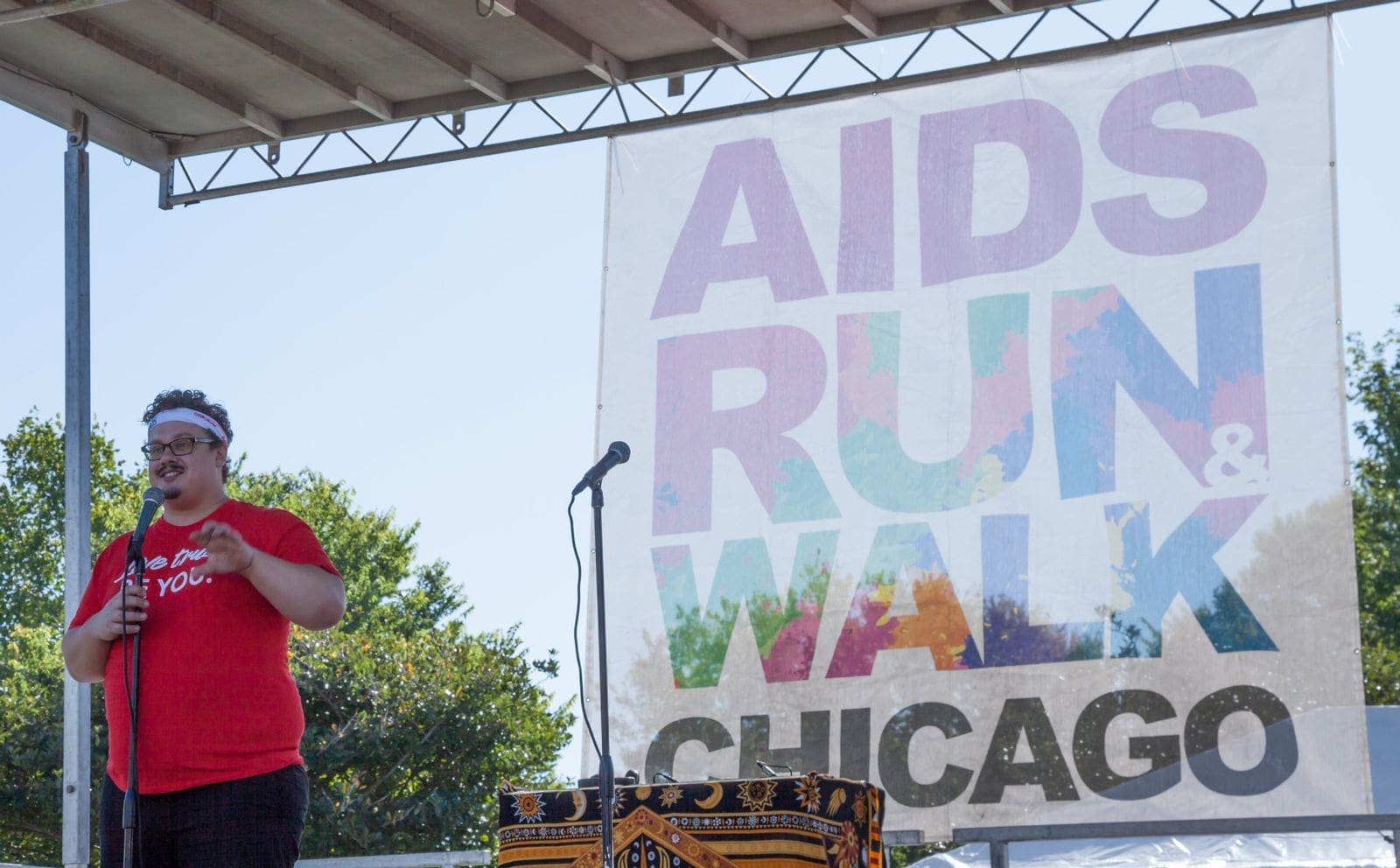
One day in 2014, Chris Pazdernik was taking a Chicago Transit Authority (CTA) train when they noticed an ad for that year’s AIDS Run & Walk Chicago fundraising event. Five years prior, Chris had tested positive for HIV. At the time, they were left with a lot of insecurities. They didn’t know what kind of support they needed, how to get assistance or what questions to ask their doctor.
Luckily within a few weeks, Chris connected with a case manager at Howard Brown Health. Chris’ case manager helped them learn more about HIV, scheduled their first doctor appointments, signed them up for a newly diagnosed youth support group and connected them with Open Hand Chicago, a food bank that serves Chicagoans living with HIV. After receiving services from Howard Brown Health, Chris felt confident to share their status with their close friends and family, who continued to support them as they navigated living with HIV.
By 2014 when Chris saw the ad for AIDS Run & Walk Chicago, they were empowered and ready to give back to their community. They wanted other people living with HIV to have the same positive experiences they had, so they founded a team for AIDS Run & Walk Chicago called Option Up! Inspired by the musical theatre term “option up,” which means to sing a higher note than written, team members and donors are encouraged to set their fundraising and advocacy goals as high as possible.
Now, Chris is a proud HIV advocate and is preparing to participate in AIDS Run & Walk Chicago for the eighth time this Saturday, Oct. 2 at Soldier Field. They will walk the 5k with their team and co-captain Missy Aguilar to celebrate the Chicago community that is fighting for those living with HIV.
“As someone who is living in 2021 with HIV, my health, wellbeing and life expectancy are so much better because of the people who came before me,” Chris said. “I feel like doing AIDS (Run &) Walk is the way that I can make sure that those people who fought in the darkest days of the epidemic, (that) it wasn’t for nothing.”
Chris is currently the managing and casting director at Theo Ubique Cabaret Theatre and is active in the Chicago theatre community. Option Up! is composed mainly of Chris’ friends who are fellow Chicago-based musical theatre artists. The team not only participates in AIDS Run & Walk Chicago to support people who are currently living with HIV, but also to remember the many individuals from the theatre community who have lost their lives due to AIDS-related illnesses.
“We walk, in part, in memory of all the people the theatre community lost at the height of the AIDS crisis,” Chris said. “The theatre community was hit especially hard, so that is all part of our journey.”
Last year when the annual AIDS Run & Walk Chicago event was cancelled in order to follow COVID-19 health guidelines, Chris and the rest of Option Up! were still committed to raising funds for the organizations that benefit from the event. They participated by doing a socially-distanced walk along the lakefront and didn’t let the changes they were experiencing deter them from their mission. In all, Chris and their team have raised over $75,000 for AIDS Foundation Chicago (AFC) and its CommunityDirect partners, directly supporting people living with HIV in Chicago.
This year, Chris and the rest of Option Up! are ready to walk again and thrilled to be back at Soldier Field, where they will come together with their Chicago community and continue advocating for and honoring those living with HIV.
“It’s just a huge, beautiful reminder that there are people with big hearts in this world that are there to help people,” Chris said. “It’s a beautiful reminder that I’m not alone.”
To learn more about AIDS Run & Walk Chicago and donate to Chris’ 2021 AIDS Run & Walk Chicago fundraiser click here.
On August 20, 2021 Governor JB Pritzker signed the Keeping Youth Safe and Healthy Act, which creates age-appropriate learning standards for public schools that decide to teach comprehensive personal health and safety education (grades K-5) and comprehensive sexual health education (grades 6-12).
“AIDS Foundation Chicago (AFC) thanks Governor Pritzker for signing SB 818, a bill that ensures comprehensive sexual health education for youth across our state,” said Meg McElroy, Manager of Policy and Advocacy Special Projects, AFC. “This alignment with science and public health best practices guarantees health education in Illinois is inclusive and affirming of communities who have historically been stigmatized or excluded, including the HIV community and LGBTQIA youth. AFC recognizes this is the first step toward inclusive education for Illinois’ students, built on the foundation of empowering and affirming young people and ending stigma, which we know ultimately will help us reach our goal of zero new cases of HIV in Illinois by 2030.”
Also known as Senate Bill 818, the new law will establish age-appropriate learning standards in alignment with national standards developed by leading public health groups, education organizations and experts. The standards ensure that youth in Illinois are equipped with the necessary tools and information to lead healthy and safe lives at all ages. The Illinois State Board of Education must develop and adopt the standards by August 1, 2022. Before that date, public schools that provide instruction in comprehensive personal health and safety education and comprehensive sexual health education must do so in an age-appropriate, inclusive and comprehensive way.
The Keeping Youth Safe and Healthy Act also ensures that such instruction is inclusive and affirming of communities who historically have been stigmatized or excluded from such instruction, including youth living with a disability, LGBTQIA youth, pregnant or parenting youth, and survivors of interpersonal and sexual violence. Additionally, this education must not discriminate on the basis of sex, race, ethnicity, national origin, disability, religion, gender expression, gender identity, or sexual orientation.
The Keeping Youth Safe and Healthy Act passed the Illinois General Assembly in May, where it was championed by State Senator Ram Villivalam (D-Chicago), State Representative Camille Lilly (D-Chicago), State Senator Celina Villanueva (D-Chicago), and State Representative Kathleen Willis (D-Addison).
The Keeping Youth Safe and Healthy Act is supported by a broad statewide coalition of organizations, including AFC, ACLU of Illinois, Equality Illinois, Planned Parenthood Illinois Action, American Association of University Women (AAUW) Illinois, Ann & Robert H. Lurie Children’s Hospital of Chicago, Chicago Abortion Fund, Chicago Alliance Against Sexual Exploitation, Chicago Children’s Advocacy Center, Chicago Women’s Health Center, Citizen Action/Illinois, Comprehensive Sex Ed Now, Cook County Health, EverThrive Illinois, Healing to Action, Hult Center for Healthy Living, Illinois Caucus for Adolescent Health, Illinois Coalition Against Domestic Violence, Illinois Coalition Against Sexual Assault, Illinois National Organization for Women, Illinois Public Health Association, Illinois School Counselor Association, Kenneth Young Center, Lambda Legal, Life Span, McHenry County Citizens for Choice, Mujeres Latinas en Acción, National Association of Social Workers-Illinois Chapter, National Council of Jewish Women Illinois, Peoria Proud, PFLAG Council of Northern Illinois, Prairie Pride Coalition, Public Health Institute of Metropolitan Chicago, Rainbow Cafe LGBTQ Center, Religious Coalition for Reproductive Choice, Resilience, She Votes Illinois, SIECUS, The Network: Advocating Against Domestic Violence, Uniting Pride of Champaign County, and YWCA Evanston/North Shore.
Today, AIDS Foundation Chicago (AFC) is excited to announce the fourth cohort of the Learning Circle Collaborative (LLC) awardees inducted into the capacity building and technical assistance program (CBA). Grant funds will be used to support organizational infrastructure, leadership development, systemic capacity building and the delivery of culturally responsive community vaccine awareness strategies.
A collection of grants totaling $72,000 was awarded to eight, Black- or Latinx-led organizations across the city of Chicago. Each organization will receive a one-time award of up to $10,000 for participating in the LCC to build leadership and organizational infrastructure.
A portion of the funds will go towards achieving the following core objectives:
-
Increase capacity for fundraising and board development;
-
Develop and facilitate effective communication strategies;
-
Develop and institute strategic planning processes;
-
Expand access of community COVID vaccine information and program resources that specifically address the needs of youth, cisgender and transgender Black women and Black gay, bisexual, and same-gender loving men.
“AFC is thrilled to support the continuance and enhancement of the Learning Circle Collaborative CBA Program, thanks to our donors, funders, and staff,” said AFC President/CEO John Peller. “We know that partnerships and organizational development are critical to helping us get to zero and to stem the tide of COVID in priority populations and communities. These grants will provide resources and capacity building to organizations on the front lines of the HIV epidemic, in the fight for racial and health equity, and our plan to end the HIV epidemic in Illinois. We’re particularly grateful for the support of Gilead Sciences and the CDC Foundation for the Learning Collaborative and the vaccine community awareness program support.”
AFC and LCC CBA programs selected 8 agencies that are Black- or Latinx-led through a responsive grant process. The 2021 -22 Awardees are the Chicago Black Gay Men’s Caucus, Global Girls Inc., Life is Work, Lighthouse Foundation, Lorde, Rustin & Bates, Proactive Community Services, Project Vida, and Taskforce Prevention & Community Services.
“We are especially grateful to the LCC expert consultants and Review Panel members, representing various backgrounds, and several of our priority populations to evaluate the pool of applications,” said Dr. Cynthia Tucker, Senior Vice President of Community Partnerships and Special Projects. “Their recommendations, along with our LCC project priorities of working directly with and supporting smaller, Black- and Latino- led organizations has created an amazing cohort of grantees that we are proud to support.”
About Learning Circle Collaborative (LCC): The Learning Circle Collaborative forges partnerships with Black and Latinx-led organizations and provides systemic capacity building. The LCC is a collaborative that works with agencies on identified needs by providing technical assistance, tailored coaching specific to agency needs and training and workshops on specific challenge areas such as fund and board development, communications, and HR/talent management. In addition, we provide a safe space for leaders to share lessons learned, build leadership and trust.
 By Bailey Williams
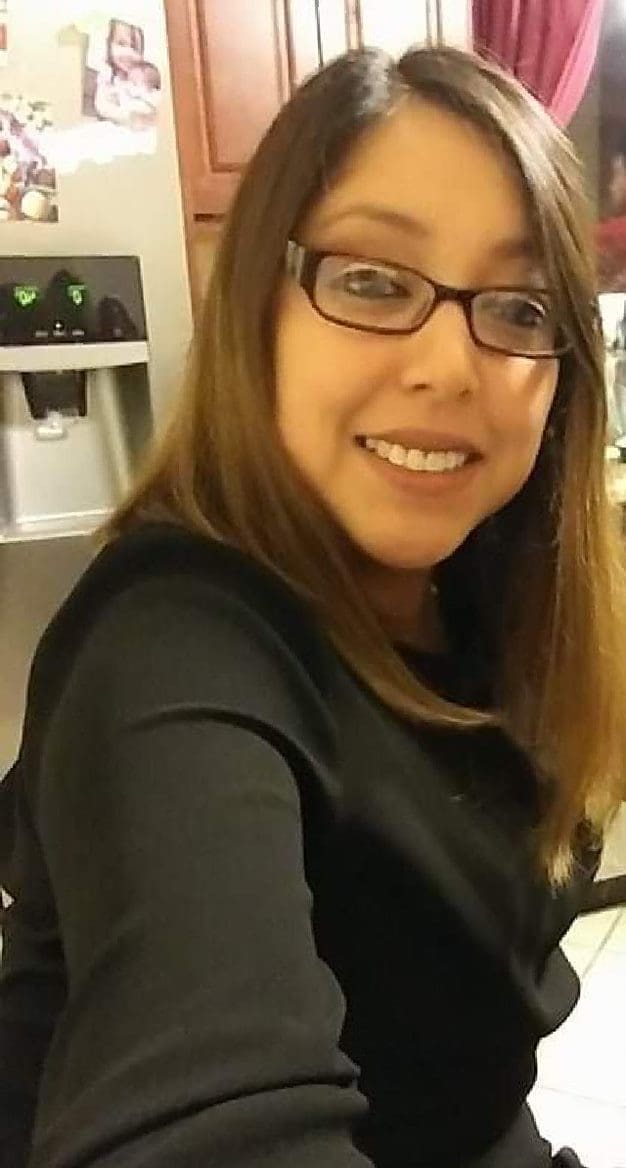
For the past three years, Mayra Olivares has helped people living with HIV and AIDS achieve better health outcomes. As a Ryan White HIV/AIDS Program case manager at Erie Family Health Centers, Mayra makes sure her clients receive needed medication, medical appointments and referrals for vital services like housing. Prior to the novel coronavirus (COVID-19), Mayra also provided walk-in HIV testing at Erie’s Humboldt Park Health Center.
“There’s never a dull moment,” Mayra said. “There’s not a particular day that’s really the same.”
That couldn’t have been truer Jan. 28 when, minutes after receiving the miracle drug naloxone (also known by its brand name, Narcan), Mayra used it to save a stranger’s life on the CTA.
AFC trains 150 Ryan White case managers to use naloxone auto-injectors
Earlier on that gloomy winter day, Mayra headed downtown for a semi-annual meeting the AIDS Foundation of Chicago (AFC) organized for Ryan White case managers. The meeting included training on how to administer naloxone, a drug that stops opioid overdoses by blocking opiate receptors in the brain. According to the Centers for Disease Control and Prevention, in 2018, about 46,820 people died from an opioid-related overdose in the United States. That same year, 793 Chicago residents died from an opioid-related overdose, according to the Cook County Medical Examiner’s Office.
Carolyn Bloom, one of two Substance Use Care Coordinators with the Center for Housing and Health (CHH), a supporting organization of AFC, conducted the training as part of the Center’s Connection to Recovery Program (C2R). Funded by an Illinois Department of Human Services Substance Use Prevention and Recovery grant, the program directly supports CHH clients in supportive housing who use substances like drugs and alcohol.
The program enables Carolyn and Amiel Cain, the other care coordinator, to provide more than 30 clients with mental health counseling and harm reduction services that help clients achieve self-determined positive health outcomes. The program also provides the tools necessary to give harm reduction and naloxone trainings to case managers like Mayra.
Prior to the January meeting, Mayra had participated in a naloxone training that used syringes and vials. Because Carolyn’s presentation included EVZIO auto-injectors instead, it sparked Mayra’s interest. The auto-injectors are small, easy-to-carry, prefilled naloxone injectors that give auditory instructions as you use it. Mayra found the auto-injectors fascinating and paid close attention to Carolyn’s directions.
At the end of the training, Carolyn distributed over 200 naloxone kits that included the auto-injectors. Mayra took two: one for a client who used opioids and one for a colleague who was unable to attend the meeting.
Mayra never thought she might need to use a kit herself.
An unprecedented, lifesaving encounter
After the meeting ended, Mayra walked to the CTA Blue Line subway station with a few colleagues. A train was waiting when they arrived. In one car, Mayra noticed a man trying to wake up another who appeared to be asleep. “Maybe this is their stop,” Mayra thought to herself as her group boarded a different car.
After they sat down, the CTA’s intercom announced that the train was stalled due to a medical emergency, but help was on the way. Mayra quickly stood up and looked through the glass windows of the doors connecting the two cars. She could still see the man trying to wake up his friend.
“In a split second, I was like, ‘Oh my gosh, what if it’s an overdose,'” Mayra said. “I got up. I don’t even know how or why. I left my car and went to the other one where the guy was.”
Mayra spoke to the friend, who confirmed the unconscious man was experiencing an opioid overdose. He encouraged Mayra to administer the naloxone she had on hand. Feeling more comfortable with the friend’s familiarity of the miracle drug, Mayra followed the instructions she’d learned moments earlier.
She checked and rubbed the man’s sternum to confirm he was unconscious. She rubbed the top of his lip to see if he’d wake up. When he didn’t, Mayra opened one of her naloxone kits, which gave her vocal instructions as she administered the first dose. Mayra waited several seconds to see if the man would wake up. He didn’t, so Mayra administered the kit’s second dose, which instantly woke him up.
Mayra stepped back and could see the emergency medical services (EMS) descending the stairs. Mayra instructed the friend to inform EMS that she had just administered naloxone and that the previously unconscious man should avoid subsequent opioid use for at least a few hours. Mayra then walked back to her friends, who embraced her warmly with hugs.
“Never in a million years did I ever have to deal with a medical emergency like this, and I just don’t know what made me act like that, to be quite honest,” Mayra said. “I want to say it was just instinct and the whole fact that I had something that could help, which was the naloxone. It was just crazy.”
Reflecting on that small moment in time
Although she stopped an overdose, Mayra said she does not feel like a hero. Helping people is a part of her everyday work as a case manager and the moment on the train was no different, she said.
The CTA incident did prompt Mayra to seek out more naloxone from Carolyn, who brought her several additional kits a week later. Now, Mayra always carries naloxone and offers kits to as many people as she can.
“I never really thought I would ever need it, and it came in handy,” Mayra said. “This naloxone training is really something that everyone as a case manager should have, especially in our line of work…because a lot of our HIV-positive clients also have some drug use history.”
Carolyn was thrilled to learn that Mayra was able to use the naloxone training so soon but disheartened that the man Mayra saved did not receive resources to help prevent future overdoses. Shortly after EMS arrived, the man fled the scene without receiving any support that could lessen some of the negative effects of future opioid use. Mayra also never saw him again.
“In a perfect world, that gentleman would have been provided information on treatment, support groups or information on safer using practices such as a 1-800 ‘never use alone’ number, so that in the future he doesn’t use by himself,” Carolyn said. “He would have been given naloxone to have on hand, in case of a future overdose, that someone could administer on him. I’m just glad this gentleman was kept alive on that day so that he can continue to make choices for his life.”
That’s why it’s important to always carry naloxone if you have it, Carolyn said. As Mayra’s case shows, you just never know when it could save a life.
If you think you’re witnessing an opioid overdose, call 911 even if you have naloxone on hand. You can acquire naloxone at certain pharmacies and programs across Illinois. Find the one closest to you here (select “Naloxone Distribution Locations”).
To learn more and support the work of case managers like Mayra and substance use care coordinators like Carolyn, consider taking any of these virtual steps:
- Learn how to recognize an opioid overdose and the Good Samaritan laws that protect you.
- How to Use Narcan to Reverse an Overdose via QuitHeroin.com
- Take an overdose prevention training with The Chicago Recovery Alliance.
- Donate to support Mayra and staff at Erie Family Health Centers to continue to provide services amid COVID-19.
- Donate to support AFC’s programs like the Connection to Recovery Program.
*This story was orginally published on August 27, 2020.
By Bailey Williams
Longtime housing advocate Debra La Joyce Thornton, age 64, passed away Thursday, July 1. Debra is survived by her mother, four children and three grandchildren she loved dearly.
Described by many as extremely hardworking and dedicated, Debra spent the last two decades helping hundreds of people across the Chicagoland area find stable, safe and dignified housing with reputable landlords. Most recently, she did that work as a housing technician at AMITA Health Housing and Health Alliance, a role she held for more than eight years.
“She really was a force in ending homelessness in Chicago, especially for people living with HIV,” said Dave Thomas, Director of the Flexible Housing Pool at the Center for Housing and Health (CHH), a supporting organization of AIDS Foundation Chicago (AFC). “She was their advocate and made sure that they were taken care of. She was always on their side, helping people get through hard times in their lives.”
Ending homelessness for hundreds of Illinois residents
Housing navigators help residents experiencing homelessness or housing instability find and secure stable and safe apartments. They handle necessary paperwork and act as an advocate for renters’ rights. Debra was one of the first housing navigators in Chicago, back when they were referred to as housing advocates. Although she worked for a few different agencies, she did the same work for the Chicagoland community for more than 20 years.
Over the years, Debra connected hundreds of people who qualified for Housing Opportunities for People Living with HIV/AIDS (HOPWA) and Chicago’s Low-Income Housing Trust Fund to needed housing resources. Another housing program Debra’s work supported was AFC’s Hotel to Home project, where she served as one of four housing technicians that helped people living with HIV move through temporary housing from the street or other unstable situations into stable, long-term housing in one of AFC’s housing programs.
Debra believed everyone deserved to live in a safe, well-maintained building. Many colleagues remembered how hard Debra worked to achieve this vision. If a client could only meet to go through paperwork on a Saturday because of work obligations, Debra would meet that client bright and early Saturday morning. If she needed to stay late after work, she’d stay late. Debra would do whatever was needed to move a client into stable housing as soon as possible.
She did that without ever stigmatizing or giving up on a client. Though she was firm and demanded respect, she would give that same respect back to clients and would go above and beyond to find them secure housing.
“If you’re going to mold a housing advocate/navigator, look to what she did,” said Frank De La Mora, AFC Housing Stabilization Coordinator. “If you want to do it right, you have to think of Debra Thornton.”
Strengthened by faith, a mother figure to all who knew her
In addition to being a tireless advocate for clients, many colleagues remember Debra as a supportive mother figure. Kenyatta Black, Director of AMITA’s Bettendorf Place and Southside Community Housing, said although she was Debra’s supervisor, even she saw Debra as a mother to her.
“She was so encouraging,” Kenyatta said. “If she saw you and thought you were feeling down, she would pray for you and encourage you. She was extremely giving.”
Frank remembers that Debra gave the warmest hugs. Korrey Kooistra, executive director at AMITA’s Alexian Brothers Housing and Health Alliance, said she was also ridiculously funny and kind.
Debra was also a woman of strong faith. Despite any life challenges, her faith strengthened her and enabled her to persevere. She belonged to Holy Temple Cathedral Church in Harvey, IL and deeply loved her church family.
Outside of her service, faith and family, Debra enjoyed gospel music, decaf coffee in the winter, sweet tea in the summer and chocolate cake, especially from Portillo’s. Debra will be deeply missed by her AMITA family, AFC and CHH staff, residents, landlords and more.
“Sometimes in life you come across a person that is a light in a world that can many times be so dark,” Frank said. “Debra Thornton was truly a light not just to her clients but to anyone that had the good fortune of meeting her. She will be missed by so many people because of the kindness she so willingly offered to all of us.”
Memorial services for Debra were held Sat., July 10 at Holy Temple Cathedral in Harvey, IL.
AIDS Foundation Chicago (AFC) mourns the passing of Ed Negron who was a former staff member, photographer and fierce advocate for the Puerto Rican community, chairing the first Latino/a/x LGBT Pride picnic in 2006. He supported the health and wellness of people who use drugs and consistently championed the LGBTQ+ community, particularly the bisexual+ community.
At AFC, Ed worked in the housing department where he was instrumental in the implementation of the partnership between AFC housing and the Low-Income Housing Trust Fund. Ed developed relationships with landlords, helping to ensure individuals experiencing homelessness found a permanent place to call home.
Ed also contributed regularly to AFC’s LifeLube blog about mental, emotional, and spiritual health. He was gracious enough to share much of his photography with LifeLube as well. Ed had an in-depth expertise and joy for leather and kink that he brought to the community as well.
Through his photography, Ed was able to capture moments at various AFC events over the years. Because of Ed’s leadership in the LGBTQ+ community, he was inducted into the LGBT Hall of Fame in 2006. While his profound impact on the community will go on, Ed will sorely be missed, and our thoughts are with his family and friends.
To learn more about Ed Negron, click here.
AIDS Foundation Chicago (AFC)’s associate board includes young professionals and emerging leaders who are passionate in the fight for HIV/AIDS services and prevention in the Chicagoland area. Members of the associate board act as ambassadors for AFC by taking part in fundraising, community service and advocacy activities that create health equity and justice for people living with and vulnerable to HIV/AIDS and other related chronic conditions.
Last month, AFC’s associate board voted on and approved the addition of four new members. AFC is ecstatic to welcome the following professionals to our associate board and larger AFC community.
 Sam Anyanwu (he, him, his) is an Associate Scientific Director in Medical Affairs at AbbVie, a global pharmaceutical organization dedicated to innovating new medicines that significantly impact the lives of patients living with chronic diseases. Sam holds a Ph.D. in Immunology, a M.S. in Cellular and Molecular Biology and a B.S. in Biochemistry. In his free time, he enjoys long hikes, tennis, golf and overseas travel. He lives in Chicago, Illinois.
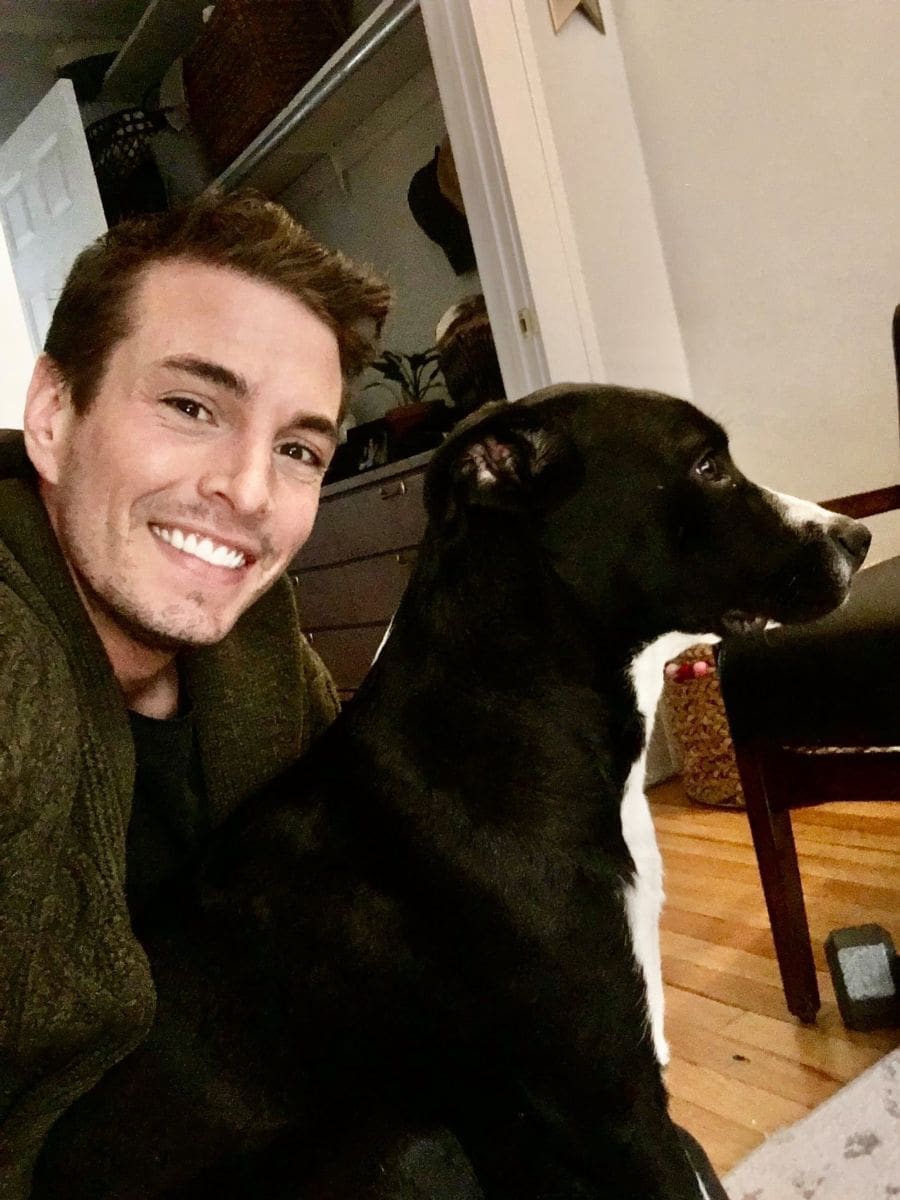 Charlie Jungwirth (he, him, his) is the Manager of Events and Community Engagement at Test Positive Aware Network (TPAN). Charlie is also a proud graduate of Columbia College Chicago where he studied broadcast journalism. In his free time, he is an avid runner, devoted cyclist and is committed to volunteering with LGBTQ+ rights groups. He lives in the Ravenswood neighborhood with his dog.
 Eric Skipworth (he, him, his) works in Investment and Valuation for Paramount Lodging Advisors and recently completed his Master of Real Estate Finance at DePaul University. Outside of work, he enjoys architecture, design and cooking. Eric is excited to serve on the Associate Board and contribute to a cause that is essential to the well-being of our communities.
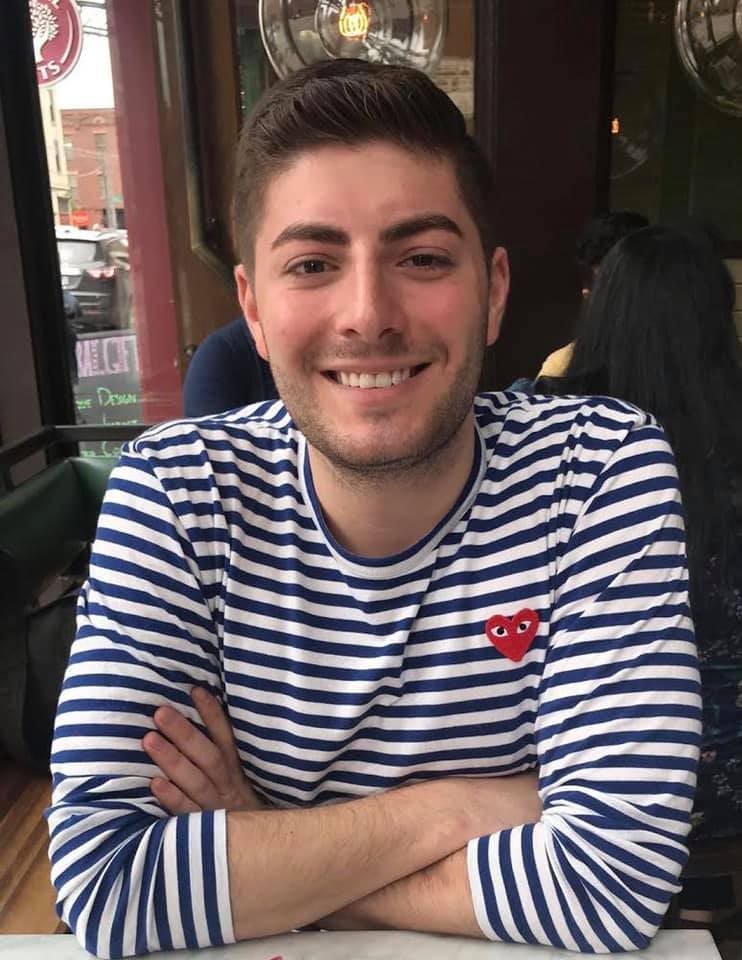 Mason Zurovchak (he, him, his) is an IT consultant specializing in commerce technology strategy for Fortune 500 merchants. He is also an MBA candidate at the University of Chicago Booth School of Business where he is the co-chair of Booth Pride, the LGBTQ+ advocacy organization. He is thrilled to join AFC’s Associate Board and have a positive impact on Chicago communities. In his free time, Mason likes to read novels and spend time outdoors.
By Bailey Williams
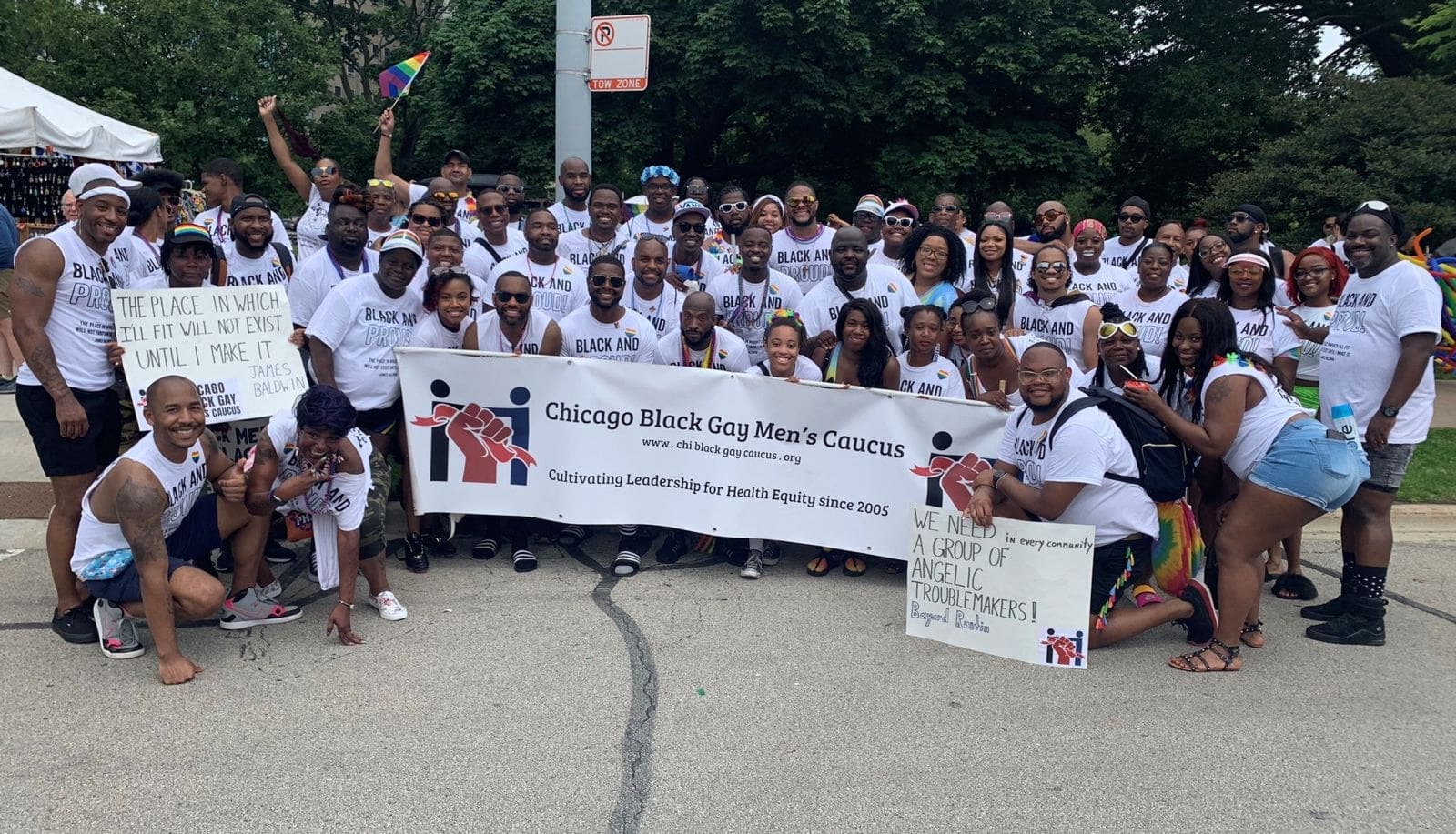
In the summer of 2005, party promoters, bar and bathhouse owners, government representatives, community leaders, health providers and Black gay, bisexual and same gender loving men convened at what was formerly the Ramada Inn on 47th Street and South Lakeshore Drive to address a dire need.
A few months earlier, the Centers for Disease Control and Prevention (CDC) released a report on HIV prevalence in five cities. The report shared findings from a survey that found 46% of the Black gay, bisexual and same gender loving men who participated were living with HIV. Most of those men were also not aware of their HIV status and therefore not linked to care. Although Chicago was not included in the survey, the report set off metaphoric alarm bells.
“That was kind of a national wake-up call to Black gay men and the HIV community…that we had missed the boat with this population,” said Keith Green, co-founder and current vice board chairman of the Chicago Black Gay Men’s Caucus and Assistant Professor at Loyola University. “We needed to do more and figure out different ways to intervene.”
In response to the report, staff at the Chicago Department of Public Health worked with community leaders to convene a gathering with business leaders, government representatives, community members, providers and more to collaborate on possible interventions. In a large conference room at the Ramada Inn, upwards of 50 people from various sectors listened to speeches, reviewed the CDC data and then closely collaborated to identify and fill gaps in outreach to Black gay, bisexual and same gender loving men locally. Because of the diversity of stakeholders in the room, the people gathered were able to collaborate and act to fill both structural and community-level gaps, such as access to testing and condom distribution.
As time went on, the meetings and direct outreach continued. Community leaders began to recognize that the work needed to be continued and spearheaded by those outside of the health department. That’s when the idea of an organization led by and dedicated to Black gay, bisexual and same gender loving men surfaced. The Chicago Black Gay Men’s Caucus (CBGMC) was founded the same year to continue HIV prevention, build community and nurture leaders who could sustain the movement.
Sixteen years later, the Caucus—a Getting to Zero Illinois partner and 2021 AIDS Run & Walk Chicago CommunityDirect team—remains an essential organization advancing health equity for all Black gay, bisexual and same gender loving men.
“CBGMC’s legacy has always been its unique role in HIV prevention and education across the Black gay community,” said Craig W. Johnson, current AIDS Foundation Chicago (AFC) board chair and former Caucus board chair. “Their work has involved testing, community building, advocacy, innovative programming and community outreach to reduce the significant disparity of HIV transmissions and AIDS-related diagnoses among Black men in the Chicagoland area.”
Increasing HIV prevention and access to care
One of the ways the Caucus has greatly contributed to ending the HIV epidemic locally is through increasing access to HIV testing and other resources through advocacy and events.
Utilizing its ability to convene stakeholders and act on community feedback, the Caucus co-hosted a community town hall at Malcolm X College with Illinois Congressman Danny Davis’ office, including the late Ben Montgomery. This conversation paved the way for the creation and passage of the African American HIV/AIDS Response Act and Fund in 2006. The fund continues to provide support for HIV prevention and care services that support the well-being of Black communities throughout the state.
Since Oct. 9, 2005, the Caucus has also organized Love Fest, an annual education and entertainment event held in Jackson Park that’s provided a safe and fun space for Black gay, bisexual and same gender loving men to be, get tested and find other resources that support their well-being. In addition, the Caucus has continually hosted annual storytelling events, an annual World AIDS Day event and retreats that bring together Black gay, bisexual and same gender loving men to discuss the issues facing them and their communities. These spaces ultimately led the Caucus to expand its mission to address health equity more broadly.
“HIV prevention and care are still central to what we hope to accomplish, but health equity is a broader mission that is the result of our work in the community,” said Lora Branch, Caucus board member and Senior Director in Government Affairs at Gilead Silences. “We really work to highlight some of the upstream causes of why so many men are disproportionately impacted by HIV and so many other health issues. Our mission now is to address all of the causes.”
Some of those causes are detailed in the Caucus’ innovative Prosperity Project, a community-informed needs assessment and strategic plan based on interviews with 200 Black gay, bisexual and same gender loving men. Released in 2020, the project identified eight social determinants of health, environmental and systemic factors like access to financial resources that impact a person’s health. By addressing these social determinants of health through programming and more, the Prosperity Project is helping end the HIV epidemic and advance health equity by equipping Black gay, bisexual and same gender loving men with all of the resources that impact their well-being.
Building transformative leaders in and beyond Chicago
True to its initial mission, the Caucus has also supported the development and growth of leaders across the nation who ensure there are Black gay, bisexual and same gender loving men in positions of power and influence advocating for their well-being.
One such leader is Ariq Cabbler, who founded Brothers Health Collective, another GTZ-IL partner advancing health equity. Based on the South Side, Brothers Health Collective provides residents in the South Loop and Bronzeville access to COVID-19, HIV, STI and Hepatitis C testing locally. Ariq is just one example. Thanks to innovations like the Caucus Corps— the Caucus’ membership network for Black gay, bisexual and same gender loving men in Chicago— hundreds of others are continually offered access to training, resume-building and more to support them in becoming advocates for themselves and their community.
“Our legacy is our people,” Lora said. “We can look around and name names. There are people who started off as business owners or folks who were just dipping their toes into the HIV community who now run organizations dedicated to that, who now sit on boards of directors and make major decisions, who now live in D.C. and work in the past and present to advise policymakers. We’ve built leaders and we’re going to continue to do that.”
Remaining a voice for Black gay, bisexual and same gender loving men
The Caucus changed the narrative for Black gay, bisexual and same-gender loving men in Chicago by advocating for their meaningful involvement and demanding safe, affirming spaces.
“There’s a lot of different organizations that serve us that aren’t reflective of the Black queer diaspora in many ways, but as long as there is a Caucus around or a body of community members that will advocate for queer Black men, there’s a voice at the table,” said Brandon Wright, Caucus Program Coordinator. “There’s someone there to ensure health equity.”
Although there are still some challenges, particularly around the creation and continuation of safe, affirming spaces for the city’s Black queer men, the Caucus remains one of the only organizations dedicated to the well-being of Black gay, bisexual and same-gender loving men specifically. As we wrap up Pride month, the Caucus is truly an organization to celebrate and support throughout the year.
To support the work and mission of the Caucus, donate today.
Are you a Black gay, bisexual or same gender loving man looking for community? There are several ways to get involved with the Caucus and find resources. For up-to-date information on the latest happenings, make sure to follow the Caucus on Instagram and Facebook.
Today, AIDS Foundation Chicago (AFC) is thrilled to join Getting to Zero Illinois (GTZ-IL) in announcing the grant recipients for the first-ever Getting to Zero Illinois Community Grant Program, a pool of grants totaling $350,000. Fourteen organizations across the state have each received one-time grants of up to $30,000 for new projects that will help the state get to zero new HIV transmissions and ensure all people living with HIV are engaged in equitable care.
The grants will support the development of several innovative projects aligned with GTZ-IL strategies including: a support group for caregivers of youth living with HIV, the creation of an anonymous and confidential hotline for Black gay, bisexual and same-gender loving men who use methamphetamine, increased mobile HIV testing and access to equitable dental care options for people living with and disproportionately impacted by HIV.
“AFC was ecstatic to support the creation of the Community Grant Program, thanks to our donors, funders and staff,” said AFC President/CEO John Peller. “We know that many organizations across the state are helping us get to zero but might not have adequate funding to further their work. These grants will aid the creation of transformative projects that advance health equity and our plan to end the HIV epidemic in Illinois. We’re particularly grateful for the support of Alphawood Foundation, which spurred individual donations through a challenge grant.”
AFC and GTZ centered racial equity when selecting grantees; 10 of the 14 agencies are Black- or Latinx-led. The 2021 GTZ-IL Community Grant Program Awardees are: Agape Missions, NFP, Care2Prevent, Christian Community Health Center, Community Wellness Project, Corazon Community Services, Heartland Health Alliance, Lighthouse Foundation of Chicagoland, Lorde, Rustin & Bates, Inc., Medical Organization for Latino Advancement (MOLA), Proactive Community Services, Project Vida, Southside HIV and AIDS Resource Providers (SHARP), Test Positive Aware Network (TPAN) and Westside Pastors’ Coalition for AIDS.
“We are especially grateful to the Community Review Panel members who came from different parts of the state, various backgrounds and represented several of our priority populations to evaluate the pool of applications,” said Sara Semelka, AFC Senior Manager of Special Projects and GTZ-IL Community Grant Program leader and coordinator. “Their recommendations, along with our funding priorities of supporting smaller, Black- and Latino- led organizations has created an amazing cohort of grantees that we are proud to support.”
About Getting to Zero Illinois: Getting to Zero Illinois is a statewide initiative to end the HIV epidemic in the state by 2030. Through partnerships with people living with HIV, community-based organizations, health care providers, government agencies and others, we can dramatically shift HIV transmissions and access to care in Illinois. AIDS Foundation Chicago and the Illinois and Chicago Departments of Public Health coordinate the Getting to Zero Illinois project. To read the full Getting to Zero Illinois plan, click here. To sign up for AFC and Getting to Zero Illinois updates, click here.