 By Raven Feagins
One night in 1991, 23-year-old Chancelor Cunningham woke up unable to breathe. He had been previously diagnosed with bronchitis, but this time he was admitted into the former Michael Reese Hospital in Bronzeville for an extended stay. It turned out he had pneumonia. Chancelor’s mom stayed by his side, even sometimes staying the night, and continuously advocated for him to find a way to treat him back to health.
“My mom is a force to be reckoned with,” recalled Chancelor. “She wanted to know what was wrong with me and why they were keeping me … I still couldn’t breathe and I was very very weak. It was just a week of watching my mom chasing these poor doctors around asking, ‘What’s wrong with my child?’ And telling me that we were going to get to the bottom of this.”
Before being admitted to the hospital, Chancelor was a relatively healthy person. He did not drink or smoke and was even a semi-professional bowler, so this prolonged hospital stay was extremely unexpected. After three weeks, however, Chancelor finally found out what was going on with his body.
“Four doctors came in, three men and one woman. I’m lying in the bed and they say, ‘Mr. Cunningham, you have AIDS,’” said Chancelor, thinking back to that day. “This was about 28 years ago … and I remember telling them in denial, ‘No, you’re wrong. You have to be wrong because everyone who has AIDS is either dead or dying!’ I was just bewildered, so I called my mom and I tell her on the phone and she says, ‘Baby, I’m on my way.
Even though it was common for parents of children living with HIV to shun and abandon their children at that time, Chancelor’s mom continued to support him throughout those first few formative years of living with HIV. She even got involved as an advocate for the HIV and LGBTQ+ communities until she passed away in 1998 from pancreatic cancer. Nonetheless, her compassion and dedication to advocacy continued to inspire Chancelor, which is why he stayed involved and volunteered his time to talk about HIV and share his story long after she passed.
However, that advocacy came to a pause in 2018 when Chancelor lost another important person in his life to heart disease — his partner.
“It was completely devastating. We were together for 20 years,” said Chancelor. “I was drinking … I was suicidal and falling off my medications. I needed to step out of my own reality because I was depressed.”
Chancelor eventually made the decision to seek help at Haymarket Center; he used to refer others there when he worked as a peer educator. He admitted himself into their  recovery program and stayed on site for four and a half months. There, Chancelor met with staff from a number of organizations who helped him get healthy again and prepare for life once he was done with the program. One interaction that was particularly memorable for him was meeting with Aziza “Zee” Nassar from the AIDS Foundation of Chicago (AFC).
“I’ll never forget the day … I had to be escorted and Zee had reserved a room. Zee was my case manager for housing and she assured me that I was on the list for housing assistance,” said Chancelor. “While I’m adjusting my mind to not having my partner, AFC was still working. And you all kick some major ass. Everybody was still with me to assure me that once I’m done here, I’ll be okay when I leave.”
Zee helped Chancelor enroll in the Transitional to Supportive Housing Program, which is funded through Housing Opportunities for Persons with AIDS (HOPWA) and helps subsidize his housing payments. So, once Chancelor left Haymarket, he had a new home and to go to back in the neighborhood where he was born and raised – Hyde Park. It was a slow adjustment to his new home and life without his partner. At first, he felt like a stranger in his own home, and it took a couple of months for him to get acclimated. Thankfully, the support he received from his psychiatrist helped him realize that while he was alone physically in his new space, he did not need to feel lonely.
He quickly jumped back into the role of advocate once he got adjusted and started going to co-lead group meetings at Mercy Hospital with his psychiatrist. There, he connects with other people living with HIV and shares his story and resources to help them get connected. Additionally, Chancelor also participates in monthly AFC Housing Community Advisory Board meetings, where he provides feedback and new ideas to the organization with a group of other AFC housing clients.
“It’s given me a sense of purpose being an advocate in the LGBTQ+ community and for people living with HIV,” said Chancelor. “It’s given me a platform so I can share with others … Most of all, I’m learning things. I do things to learn so I can assist other people.”
Reflecting on his journey and seeing where he is today, Chancelor is most grateful for the people who have supported him and stood by his side through every hardship.
“I had always done everything on my own … Actually, let me rephrase that. I thought that I had to do everything on my own, but AFC had my back.”
To the backdrop of Fahrenheit Chicago, Serette B. King ( Zoliy Miyake-Mugler) and Terry Dudley from Howard Brown Health and David Dodd from Chicago Black Gay Men’s Caucus share what inspiring action means to them, and how their work helps inspire action within Chicago’s LGBTQ+ and HIV communities.
On Saturday, Oct. 5, HIV advocates from across Chicago will gather at Soldier Field for AIDS Run & Walk Chicago 2019. Since its inception in 2001, more than 20,000 community members have gathered at #aidsrunwalkchicago to help drive an end to the HIV/AIDS epidemic. The event has raised over $5 million that directly benefiting programs and services improving the lives of Chicagoans living with and vulnerable to HIV. With the help of 30+ CommunityDirect partners, TOGETHER, we can end the HIV epidemic in Illinois by 2030.
With AIDS Run & Walk Chicago 2019 just days away, how will you inspire action in your community? Visit aidsrunwalk.org for more information and to register for this year’s event.
Special thank you to Anthony Galloway, Fahrenheit Chicago and Equality Illinois for their partnership in the development of this video.
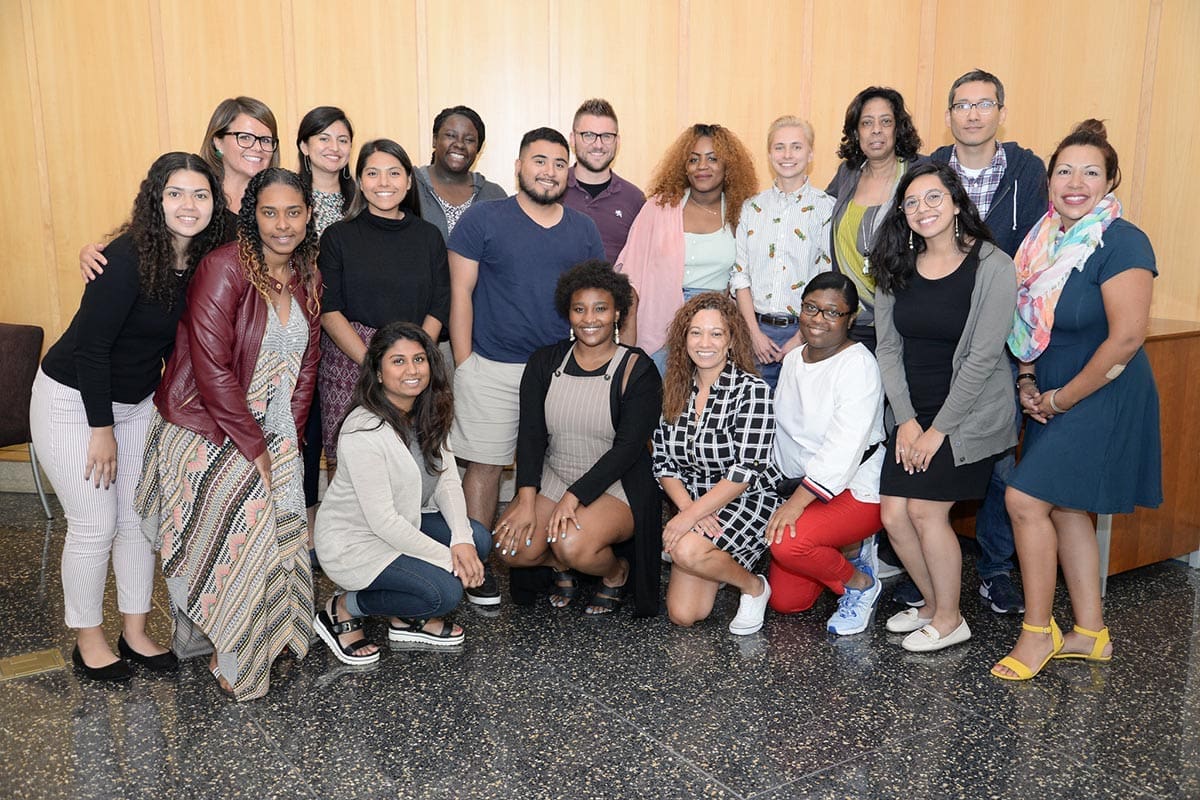
This summer, emerging public health professionals came together to get an accelerated, hands-on training at the Public Health Boot Camp (PHBC). Co-sponsored by the AIDS Foundation of Chicago (AFC) and the Institute of Public Health and Medicine (IPHAM) at Northwestern University Feinberg School of Medicine, the program is designed to prepare HIV/AIDS public health leaders through a one-week intensive, residential education program.
“Leadership development is highly unique but each PHBC has had one essential ingredient, leadership transformation. In the 2019 PHBC (the 12th PHBC cohort) there was clear collaboration, learning, respect, love and leadership transformation,” said Vice President of Prevention and Community Partnerships for AFC Cynthia Tucker. She has directed PHBC sessions for almost a decade.
The Boot Camp is divided into eight core areas, including Leadership and Interprofessional Practice in Public Health, Public Health Policy and Advocacy, Guiding Principles of Community Engagement and more.
“Our community-anchored partnership work is twenty-years proud this Fall. We are grateful to co-create meaningful, responsive public health workforce development with and in service to the AIDS Foundation of Chicago” remarked Dr. Neubauer, one of the co-founders of the PHBC.
Breakout sessions this year included a panel of PHBC alumni describing how they developed their projects into new professional opportunities, an introduction to epidemiology in public health practice, a training about to Getting to Zero Illinois, conversations about marketing and donor management, and more.
Click here to read bios of all this year’s presenters and here to read bios of this year’s participants.
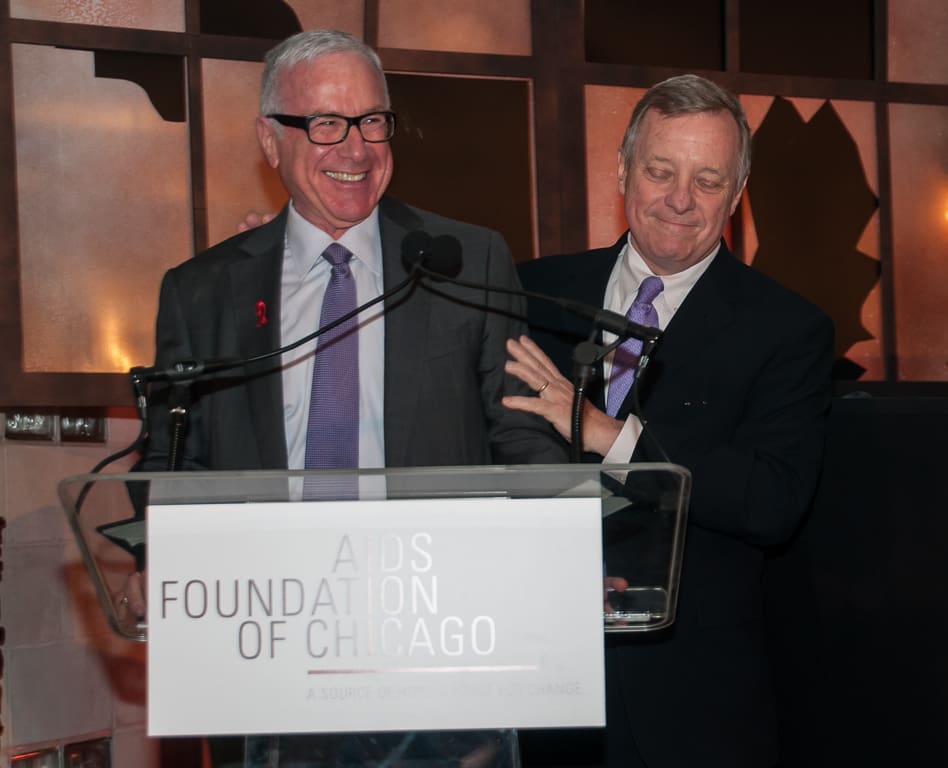 The AIDS Foundation of Chicago (AFC) is deeply saddened to learn of the passing of Michael Bauer on Thursday, Aug. 29. Michael was a friend, donor, supporter, Board member and champion for AFC. We remember Michael for so many things, but most importantly, for his passion for AFC and so many other progressive organizations and causes. Michael served as a Board member from 2000-2005 and continued as an emeriti and honorary Board member. Our hearts go out to his husband, Roger Simon, and his 103 year-old mother, a Holocaust survivor.
Learn more about Michael’s life in this Windy City Times reflection.
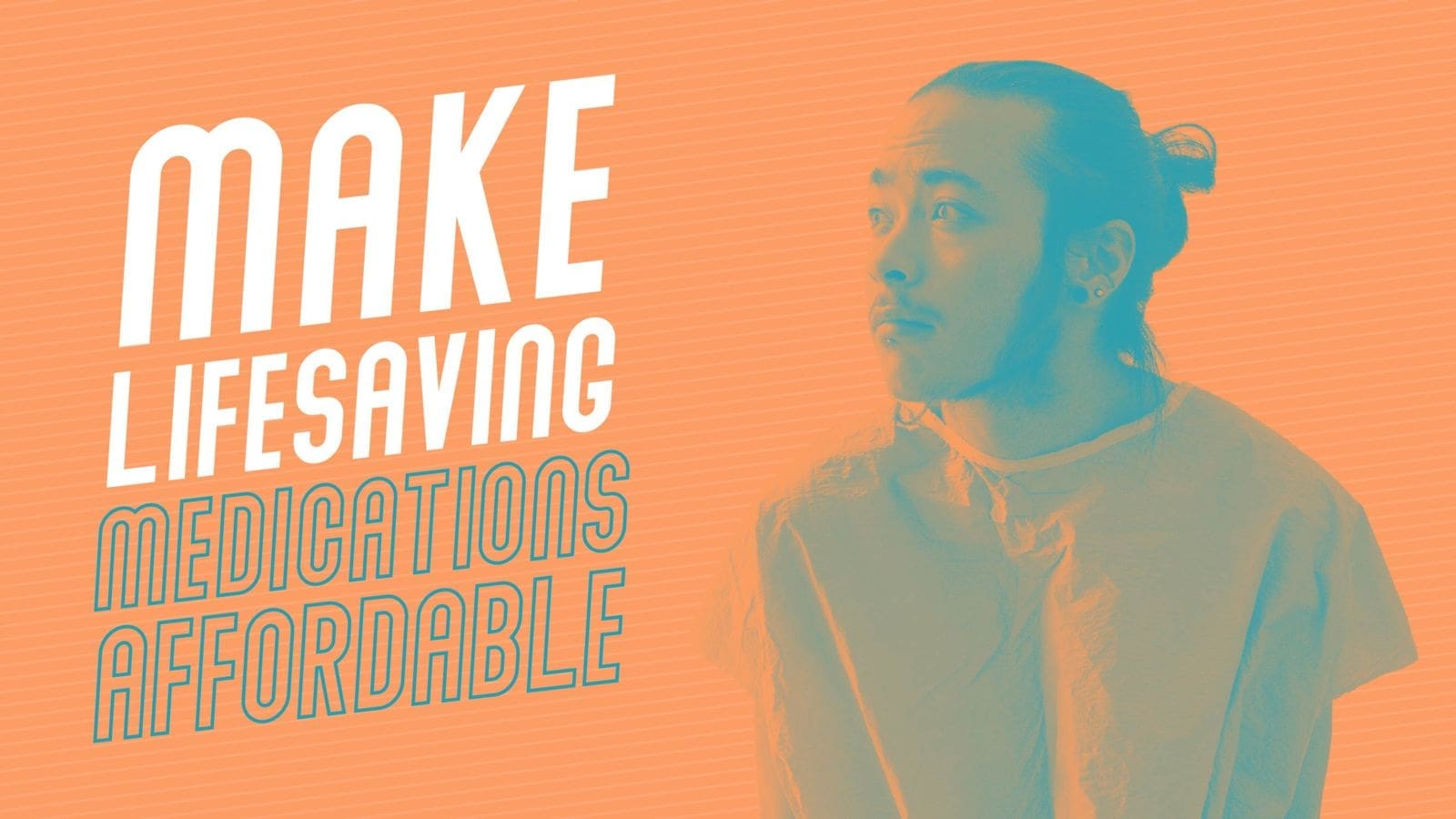
HB 465 will make health care more accessible and affordable for Illinoisans by requiring the value of copay cards to be applied towards a covered individual’s out-of-pocket costs.
This bill bans copay accumulator policies in addition to regulating pharmacy benefit managers.
HB 465 was sponsored by Rep. Greg Harris (D-Chicago) in the House and Sen. Andy Manar (D-Bunker Hill).
Copay accumulator policies are an unfriendly consumer practice where insurance companies don’t count the value of a copay card to an individual’s out-of-pocket costs.
Copay assistance programs are critical for people living with HIV and other chronic diseases, as the cost of prescription drugs for these diseases tends to be even higher.
AFC thanks Gov. Pritzker, Leader Harris and Sen. Manar for their leadership on getting HB 465 passed this past legislative session.
At the helm of the AIDS Foundation of Chicago (AFC) is its 31-person Board of Directors. Each member contributes to the vision and leadership of AFC, and provides a unique perspective based on their areas of expertise and lived experiences. AFC also benefits from support, fundraising and guidance from its Associate Board, comprised of 21 young professionals and emerging leaders. This year, AFC welcomes four new members to both the Board of Directors and the Associate Board. Learn more about them below!
If you have any questions for the AFC Board of Directors or Associate Board or want to learn about how you can join, please reach out to AFC President/CEO John Peller.
Board of Directors
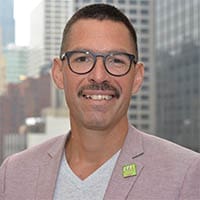 |
Yusef García has actively contributed to a more vibrant Chicago region for more than 10 years. As Vice President of Development & Communications at Forefront, Yusef and his team activate stakeholders and deepen relationships through cultivating collaborative partnerships. Yusef previously led institutional fundraising and engagement strategies for organizations focused on public media, arts and culture and human services. Yusef serves as chair of the Chicago History Museum’s OUT at CHM initiative and is a committee member for the Association of Fundraising Professionals’ Faces of Philanthropy luncheon. | |
 |
Janet Lin currently works as a physician in the emergency department and cares for a variety of patients with different socio-economic backgrounds and who are disproportionately vulnerable to HIV. She is a Professor of Emergency Medicine at the University of Illinois Chicago’s College of Medicine and an Affiliate Professor of Community Health Sciences in the School of Public Health. Janet leads Project HEAL, which stands for HIV/HCV testing, Education, Awareness, and Linkage to care, and conducts research to improve access to and delivery of health care globally. She is a board member and the immediate past president of the Illinois College of Emergency Physicians and a board member of Med Global. | |
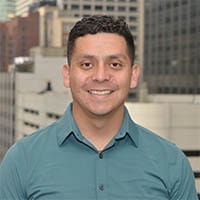 |
Esteban Rodriguez has over 13 years in nonprofit experience, particularly in criminal justice, youth, education, safety, housing and health. Today, he is the Director of Programs and Services at Northwest Side Housing Center. Previously, he led a sexual health program that lowered teen pregnancy rates, provided HIV testing and counseling, and served a predominantly Latinx community. | |
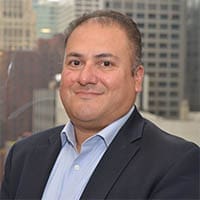 |
JP Valadez is a director at Kivvit, a nationally recognized public affairs and communications firm based in Chicago. At Kivvit, JP manages a wide range of campaigns that include political, government and policy issues at the city and state levels. Previously, JP served as a regional coordinator for the Speaker of the House for the Illinois House of Representatives. He has worked closely with legislators and policy experts who were advocating for legislation that was part of the AFC’s policy agenda in Springfield. |
Associate Board
 |
Charlie Dao is an IT Service Transition Analyst at Astellas Pharma U.S., Inc. where he manages the operational readiness of all U.S.-based IT projects. Previously, Charlie was selected for the New Sector Alliance nonprofit management and administration Fellowship program. As a Fellow, he was assigned to the City of Chicago’s Office of Veterans’ Affairs to assist in building strategic partnerships with nonprofits and corporations to improve health care, employment rates and housing resource navigation for socially and economically disadvantaged military veterans. | |
 |
Matthew Estacio, RN, BSN, is a clinical case manager at Lurie Children’s Hospital on the hematology/oncology unit. As a bedside nurse, he gained experience in taking care of newborn neonates, all the way to elderly adult patients in the intensive-care setting. Matthew also previously worked with people living with HIV and AIDS both as a nursing student and after graduation, which provided him a look at how this population was often mistreated by other health care professionals and insurance companies. These experiences inspired him to get more involved in the community and ultimately join AFC’s Associate Board. | |
 |
Kandis Draw works at the Daisie Foundation, and also is a classical pianist. She is an active member of the National Ovarian Cancer Coalition Illinois Chapter as well as Gilda’s Club Chicago Associate Board. Most recently, Kandis was featured in Cancer Wellness Magazine and was appointed to the Advisory Board for the soon-to-be-released online magazine Curvicality, which focuses on lifestyle, fashion, fitness and inspiration, all while promoting positive body imagery for plus-size women. She brings her passion for Philanthropy, and Advocacy to the Associate Board in hopes of bringing about change to the HIV/AIDS laws in Illinois. | |
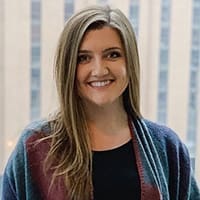 |
Hannah Kopach is the Marketing + Design Coordinator at Berkshire Hathaway HomeServices KoenigRubloff Realty Group’s Lincoln Park office. She previously served on the Trevor Project’s Youth Advisory Council and has extensive experience in nonprofit marketing and design. She brings her passion for philanthropy to the AIDS Foundation of Chicago Associate Board and looks forward to advocating for progress across the HIV/AIDS community. |
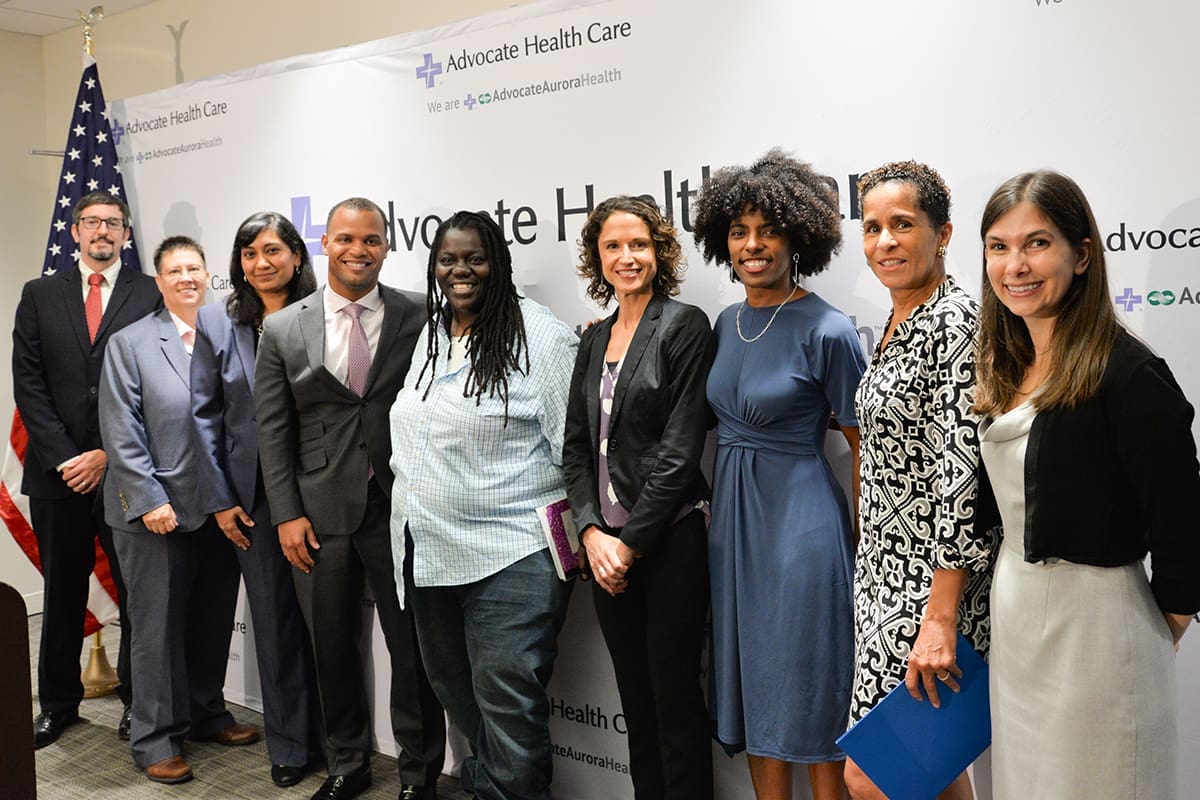 The City of Chicago announced on Thursday, Aug. 22, the expansion of the Chicago and Cook County Flexible Housing Pool (FHP) with a total of more than $1.8 million in new investments, including the first private investments in the program. Blue Cross and Blue Shield of Illinois and Advocate Aurora Health are investing a combined $1.5 million over the next three years to support the City and its partners’ collaborative efforts to align housing, tenancy and wraparound support services for those most at-risk for homelessness. Also, UI Health has pledged a $281,000 contribution this year and $350,000 for FY 2020 for the FHP.
“Homelessness should be everyone’s concern, and that is why we are joining forces with private and public entities to support a subsidy that quickly houses and provides supportive services for some of the hardest-to-reach homeless residents,” said Mayor Lori E. Lightfoot. “We are grateful for those hospitals and organizations who have come forward to help address homelessness, and we hope others will follow suit.”
The City and its partners have collaborated to align funding, including the first-ever private funds, toward a common goal through the Flexible Housing Program. Under the FHP, the City of Chicago is able to quickly house and provide supportive services to some of Chicago’s most vulnerable populations, including individuals experiencing homelessness who frequently cycle through the criminal justice system and often utilize hospital emergency rooms for care.
“We recognize that lack of access to stable, affordable housing, transportation, jobs and healthy food can negatively impact a person’s health and wellbeing,” said Maurice Smith, president, Health Care Service Corporation (HCSC). Blue Cross and Blue Shield of Illinois is a division of HCSC. “This investment is part of our continued commitment to improve the health of our communities by supporting programs and services that give people the tools they need to improve their health and realize their full potential.”
The FHP pairs wraparound health and social services with a housing subsidy to support residents experiencing homelessness with a focus on super-users of local crisis response systems such as hospital emergency rooms, police stations, paramedic calls, jails and shelters. Since the implementation of the program began in March of 2019, the FHP has housed 26 residents who were previously experiencing homelessness.
“We invested in this program because we know helping people live well is about more than what happens when they see their doctor. Having a safe place to live is a big part of that whole-person care,” said Advocate Aurora Health Vice President of Population Health Dr. Alvia Siddiqi. “We’re always looking for innovative ways to attend to important social needs that are fundamental to managing population health, and we’re proud to be a part of this effort.”
The FHP was created in 2018 with a dedicated $500,000 from the Affordable Housing Opportunity Fund (AHOF), $500,000 in 2018 City corporate funds, and $800,000 in housing and urban development funds, provided by the Chicago Housing Authority (CHA).
“We are very grateful for the growing list of diverse partners at the table to help the innovative Flexible Housing Pool become more than just an idea,” said Department of Family and Support Services Commissioner Lisa Morrison Butler. “We took a best practice from Los Angeles, and really made it something that works in Chicago.”
Overall, the City and CHA have pledged a total of $5.4 million in project support of the FHP over three years. In May of 2019, Cook County Health pledged a $1 million investment into the FHP. Cook County Health treats 83% of the single adult homeless population in Chicago, as identified through a data match between Cook County Health records and the Chicago Homeless Management Information System.
“CHA is pleased to support the FHP because it allows us to provide additional housing options for some of our city’s most vulnerable residents,” said CHA CEO Eugene E. Jones, Jr.
The City’s broader vision for the FHP is to grow and sustain the fund and eventually expand the number of people served by securing non-traditional and cross-sector investors such as hospitals, health care systems and philanthropic organizations. Other supporters of the program include:
- The Chicago Community Trust, J.B. and M.K. Pritzker Family Foundation, Polk Bros. Foundation, Michael Reese Health Trust, and Otho S.A. Sprague Memorial Institute provide philanthropic support for planning and foundational development of the FHP.
- Corporation for Supportive Housing (CSH) provides collaboration and project management leadership across partners for the FHP.
- Chicago Department of Public Health, Illinois Public Health Institute, CountyCare, Housing Authority of Cook County, Sage Health Strategy and the Flexible Housing Pool Lived Experience Advisory Council provide critical advisory support to the FHP.
- The Center for Housing and Health (CHH) leads housing administration and support services for tenants for the FHP.
“We have a responsibility to help all of our neighbors, especially those who are pushed to the margins. With the FHP, we are one step closer to a region where everyone has a place to call home,” said Peter Toepfer, CHH’s Executive Director. “CHH is proud to be part of this collaborative effort to develop creative solutions to complex problems.”
Mayor Lightfoot remains committed to supporting residents who are homeless and to ensuring all residents have access to affordable housing. Earlier this month, Mayor Lightfoot announced a new and improved Qualified Allocation Plan (QAP) to direct Chicago’s affordable housing resources where they are needed most. A draft of the QAP is available at www.chicago.gov/qap. Public comment on the draft plan will be accepted for 30 days at [email protected]. The final QAP will be issued on Monday, September 9, 2019. The new QAP represents the initial step in creating safe, affordable housing in every neighborhood across the entire city.
AIDS Run & Walk Chicago brings together Chicago’s HIV community and supporters each year to celebrate, honor and remember how far we have come in the HIV epidemic. Open Door Health Center of Illinois is one of the many community-based organizations that fundraises with AIDS Run & Walk Chicago year after year to help them continue providing services and support for people living with HIV and related chronic conditions. Earlier this year, Perry Maier, executive director of Open Door, sat down with us to speak about the story of the organization and how funds from AIDS Run & Walk Chicago not only allow them to provide traditional HIV-related care, but also offer new and innovative services for the clients they serve.
Click here to donate or join to the Open Door Health Center of Illinois Run & Walk team. Feel inspired to start your own team? Head over to aidsrunwalk.org!
by Kim Hunt, Executive Director, Pride Action Tank
 Lately, we can’t seem to get through a week without another attempt by the Trump administration to strip away the protections of LGBTQ+ people. Yesterday, the Department of Labor (DOL) issued a proposed rule change that could allow federal contractors to discriminate against LGBTQ+ people on the basis of religion. The proposed change essentially expands the language in Title VII of the 1964 Civil Rights Act from exempting religious institutions from adhering to this landmark anti-discrimination law to including “religious employers.”
Think back to the Masterpiece Cakeshop and Hobby Lobby Supreme Court cases, where business owners were given license to use their religious beliefs as the basis for denying services to LGBTQ+ people (Masterpiece) and reproductive health insurance coverage to employees (Hobby Lobby).
This excerpt of DOL’s proposed change is particularly chilling. The proposed change “is also intended to make clear that religious employers can condition employment on acceptance of or adherence to religious tenets without sanction by the federal government, provided that they do not discriminate based on other protected bases.” In other words, an employer that contracts with the federal government doesn’t have to discriminate on the basis of religion, but if that employer does, the federal government has their back.
According to Federal News Network, the federal government spent $560B on contracted services last year. Federal contractors range from one-person operations to multi-billion-dollar, global corporations — all places where LGBTQ+ people work currently, and all places where we could easily be discouraged from applying to or be fired from if this rule goes into effect.
We encourage everyone to provide comments on why this proposed rule change is a bad idea. You can provide public comment at the Federal eRulemaking Portal. Follow the instructions for submitting comments by Sept. 16, 2019.
No government should be in the business of licensing discrimination. It doesn’t have be this way.
It has been reported over and over again that if the Equality Act, passed by the House of Representatives earlier this year, were to be allowed to come to the Senate floor for a vote, it would pass and be on the path to actually become law. The Equality Act would expand the list of protected classes in the Civil Rights Act to include LGBTQ people. That would prevent the Trump Administration’s tinkering of the law to constrict the rights the community. But Senate Majority Leader Mitch McConnell will not allow a vote on this important legislation. To learn more about how you can help pressure Sen. McConnell to call a vote on the Equality Act, visit the Human Rights Campaign’s website.
Pride Action Tank is a project of the AIDS Foundation of Chicago.
Today, Gov. JB Pritzker signed HB 465 into law helping Illinoisans afford lifesaving medications.
HB 465 will make health care more accessible and affordable for Illinoisans by requiring the value of copay cards to be applied towards a covered individual’s out-of-pocket costs.
This bill bans copay accumulator policies in addition to regulating pharmacy benefit managers. HB 465 was sponsored by Rep. Greg Harris (D-Chicago) in the House and Sen. Andy Manar (D-Bunker Hill).
Copay accumulator policies are an unfriendly consumer practice where insurance companies don’t count the value of a copay card to an individual’s out-of-pocket costs.
Copay assistance programs are critical for people living with HIV and other chronic diseases, as the cost of prescription drugs for these diseases tends to be even higher.
AFC thanks Leader Harris and Sen. Manar for their leadership on getting HB 465 passed this past legislative session.