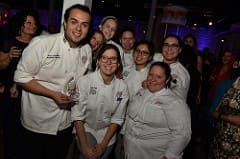
 Around 1,100 guests came together at Revel Fulton Market to celebrate the AIDS Foundation of Chicago’s (AFC) 15th annual World of Chocolate gala on Thursday, Dec. 1. The evening raised $105,000 (net) to support the vital services AFC provides to thousands of Chicagoans each year, in addition to its work to make health equity and justice a reality in Illinois and beyond through its care, policy, advocacy and education efforts. Click here for photos from the event.
“This year, our work has taken on new meaning. As AIDS advocates, we are fighting for the lives of people who are most greatly impacted by HIV and other chronic illnesses,” said John Peller, AFC president/CEO. “World of Chocolate was a fun, delicious way to raise money for what will be one of our most crucial fights for equity and justice in the coming years.”
Timed to coincide with the annual World AIDS Day commemoration, guests sampled chocolate creations crafted by 21 area chocolatiers, each ranging from sweet to savory to boozy. Six local celebrities, food writers and Chicago-area chefs judged the participating vendors in six categories; partygoers had their say, too, with the People’s Choice Award. Winners include:
 People’s Choice: InterContinental, Chicago Magnificent Mile
Best Sweet: The Peninsula
Best Savory: Cindy’s, Chicago Athletic Association
Best Sculpture: Kendall College School of Culinary Arts
Best Libation: Dove Chocolate Discoveries
Best Small Business: Uptown Brownie
Best Large Business: The Peninsula
 The judges’ panel included: Lorin Adolph, personal chef; Andrea Alexander, Just Like U Like It Catering; Valerie Beck, Chicago Chocolate Tours; Maggie Hennessy, chef and co-author of the forthcoming Twisted Spoke cookbook; Hank Mendheim, ABC7/FranklyHANK; and Laura Schwartz, TV personality and author of Eat, Drink & Succeed.
Beyond chocolate, the evening featured a punchboard filled with donated prizes, a raffle for three extravagant vacations, an energizing performance by Naughty Little Cabaret, and more.
Funds raised through World of Chocolate support AFC’s work to mobilize communities to overcome health inequities and help people living with chronic illnesses like HIV thrive. Proceeds from the event will:
- Fuel AFC’s policy and advocacy efforts to make health equity a priority among lawmakers in Springfield and Washington
- Support efforts to house 1,100 Chicagoans who are experiencing homelessness
- Enable more than 5,000 clients to receive case management services
- Fund trainings for hundreds of medical professionals about PrEP
Generous vendors participating in World of Chocolate included: Cafe des Architectes, Sofitel Chicago Water Tower; CH Distillery; Cindy’s, Chicago Athletic Association Hotel; Dove Chocolate Discoveries; Fred’s of Barneys New York Chicago; Hilton Chicago; Intercontinental Hotel; Kendall College School of Culinary Arts; La Taberna Tapas; LondonHouse Chicago; Mariano’s; The Peninsula Chicago; Prasino LaGrange; Starbucks; Terry’s Toffee; Uptown Brownie; Vanille Patisserie; Virgin Hotels Chicago; Walgreens presents My Chocolate Soul; Wow Bao and ZED451.
This year’s World of Chocolate sponsors and media partners included: A&U Magazine; Abbott; Aetna Better Health of Illinois; AFR Furniture Rental & Event Furnishings; Barry Callebaut; Bell Litho; BestGayChicago.com; BMO Harris Bank; Castillo Tours; CH Distillery; ChicagoPride.com; Condado Vanderbilt Hotel; Destination Puerto Rico; Food for Thought; Gilead; GRAB Magazine; Harmony, A WellCare Company; Humana; Janssen Therapeutics; Kehoe Designs; Lady Gregory’s Irish Bar & Restaurant; Mariano’s; MGM Grand Las Vegas; Michigan Avenue Magazine; MillerCoors; Northern Trust; Orbitz; PepsiCo; Public Communications Inc.; RST; Walgreens; Wilde Bar & Restaurant; Windy City Media Group; Winebow; Wyndham Grand Rio Mar.
People who are HIV-negative and vulnerable to HIV infection can take a medication to help prevent HIV. Currently, only one medication, Truvada, is approved by the U.S. Food and Drug Administration (FDA) for the prevention of HIV. It is also recommended by the U.S. Centers for Disease Control and Prevention and the Chicago and Illinois Departments of Public Health.
The AIDS Foundation of Chicago has prepared its Illinois PrEP Marketplace Assessment to help consumers anticipate the monthly out-of-pocket cost a person can expect to pay for Truvada under each of the plans on the Illinois health insurance marketplace. Premiums listed in this document are examples only, based on coverage for a single, 30-year old individual.
Reports of insurance companies denying coverage of Truvada as PrEP are rare and can always be appealed, but it is important to remember that coverage levels vary across companies and plans. Please bear in mind that insurance companies can change their formulary and coverage at any time. Always verify medication coverage directly with a plan before enrolling. All coverage information was accessed between Nov. 1 and Nov. 22, 2016, using the marketplace website (healthcare.gov), the health insurance companies’ websites and calls to insurance companies’ customer service representatives.
Coinsurance costs are based on the average wholesale price of Truvada of about $1,760 per month, as listed in AIDSinfo.gov’s Clinical Guidelines for Antiretroviral Medications. Consumers should strongly consider selecting a plan that requires a copay rather than coinsurance. A copay is a fixed and predictable amount of money and is typically considerably less expensive than coinsurance when applied to a medication as costly as Truvada.
When choosing a plan, consider how much it will cost to visit your health care provider four times a year for HIV and STI testing and lab work, as recommended by medical guidelines for people who take PrEP. Make sure your provider of choice is in the health plan’s network to save the most money.
Joseph Varisco, Program Coordinator for Art AIDS America Chicago, writes about the first exhibition to explore how the AIDS crisis forever changed American art
Four years ago, I was diagnosed HIV+. Since that time, I have been working across communities with one vital directive: create productive, powerful and engaging interactions. As a performing arts curator and producer, I use public spaces to generate this experience. I have had the awesome opportunity to work with some of Chicago’s most vibrant artistic forces who use their creative work as tools to confront stigma and reinvent narratives about what it means to live as HIV+ today. In a time when visibility is a form of political resistance against erasure of identity, these artists relentlessly hold accountable each of us, responsible to one another as agents of change.
What does that look like? I asked Chicago-based artists doing work in HIV/AIDS culture what they are doing currently — and who they turn to for inspiration.
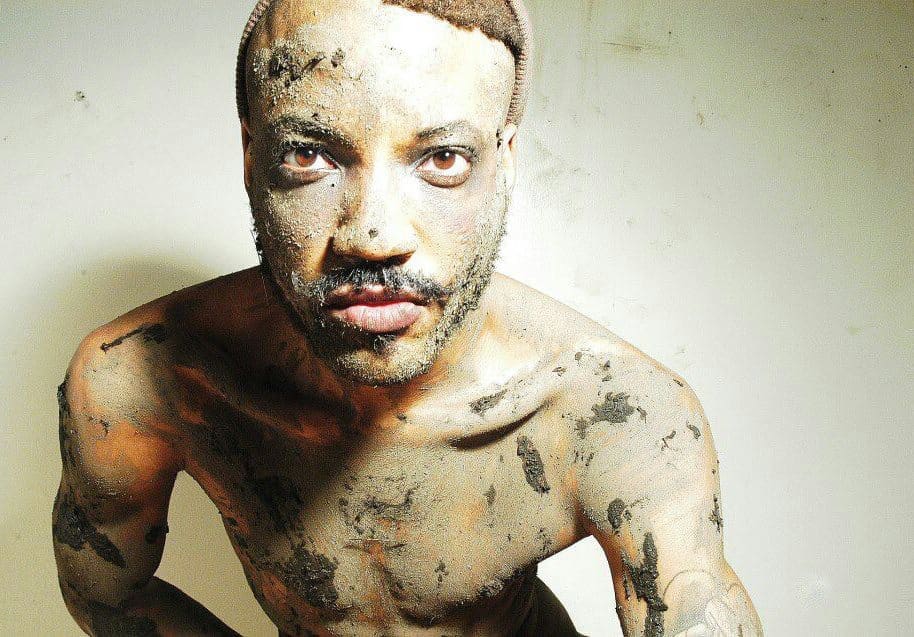 Juicebox (formerly Dirty Grits): “Every breath I take is part of the revolution. Being black, poz, queer, and non-binary, walking down the street is an act of resistance against societal norms. My art is a direct mirror into the emotional rollercoaster that haunts my reality. I feel like most oppressed people are a heartbeat away from going postal, especially in our current political climate. I’m always so close to catching a case! Performance art gives the opportunity to yell, fight and burn shit down. I use my art to highlight the indignity of the oppressor, and to tell the stories of my people. I get to control the narrative, empower minorities, while destroying the enemy every time. It is the best therapy I have found for de(opp)ression. My hope is that my performances touch the hearts of folks who need to feel connected. I want folks to know their existence is important and beautiful. I think that through it all, we all need a reason to keep breathing. I know I do.”
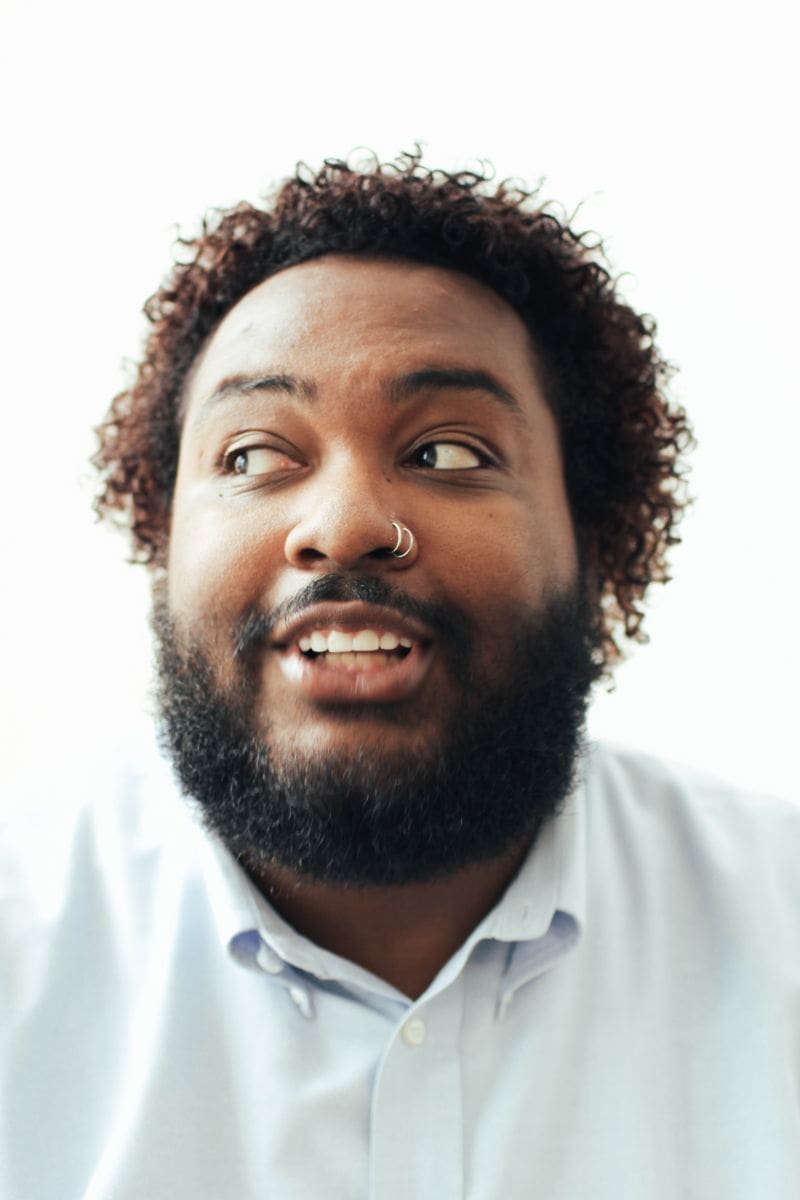
Phillip Lambert X Blacknbrilliant: “And Then There Was BLAK (Building Lives with Art & Knowledge), or ATTB for short, is an art collective comprised of music producer, writer and online content creator Jordan Gillespie X gillyszn; and myself, Phillip Lambert X blaknbrilliant, an actor, rapper, creative director, social engagement and media aficionado. We came together to form ATTB as a direct response in solidarity with the #BLACKLIVESMATTER movement. We are millennials who want to use our platforms to bring about positive, influential and creative representation of black and brown bodies while they are alive. As a performance artist who recently sero-converted, it is important to be transparent and live in my full truth. Only from those truths can authentic and moving art manifest. Throughout history, people who belong to intersecting identities (black, queer, positive, trans, fat and low-income, to name a few) have been ostracized, deemed unimportant and invisible. The
work that ATTB is doing is needed in these tumultuous times to give an accurate voice, face and space to individuals who, by just existing, are bringing about radical change and challenging state sanctioned violence. ATTB believes that now more than ever is a time for the revolution to be televised.”
Artists to watch: Moor Mother is the dopest person on the scene. Her mix of racial turnt lyrics, nightmarish beats and voice morphs through music genres. I beg you to be woke to her. Ekua Adisa is a spoken word queer, non-binary revolutionist who attacks white supremacy through poetry. They are the spearhead in grassroots reparations movement.
Some other artists who are breaking down barriers and you should be on the lookout for are: Lloyd The Abstrac, Black queer photographer (@Lloydtheabstrac), Jenzi Russell, Black queer choreographer, movement coach and fat phobia activist (@officialjenzi), and Phillip B. Williams, Black queer poet & Emory University Poetry Fellow (@pbw_poet). Follow them, support them, and lift them up.
What importance does art hold right now? Answer the challenge for yourself by engaging with more public and free art this winter at Art AIDS America Chicago, Dec. 1, 2016 – April 2, 2017 and QUEER, ILL + OKAY, Dec. 9, 10, 16 and 17 at Oracle Productions.
About Art AIDS America Chicago:
 Art AIDS America Chicago is the local – and largest – iteration of this groundbreaking national exhibition which underscores the deep and unforgettable presence of HIV in American art. The exhibition will feature some 140+ significant contemporary works on display at the Alphawood Gallery (2401 N. Halsted Street), a temporary space created in a former bank by the Alphawood Foundation to bring the exhibition to its only Midwest venue. The Alphawood Foundation, a Chicago-based, grant-making private foundation working for an equitable, just and humane society, is proudly presenting Art AIDS America here. Each year, the Foundation awards grants to organizations, primarily in the areas of advocacy, architecture and preservation, the arts and arts education, promotion and protection of the rights of LGBT citizens and people living with HIV/AIDS, and other human and civil rights.
Art AIDS America Chicago will be open Wednesdays and Thursdays from 11am – 8pm, and Fridays, Saturdays and Sundays from 11am -6pm. Admission to the Alphawood Gallery is free; however, to ensure entry, timed admission passes may be reserved by visiting ArtAIDSAmericaChicago.org. Walk-ups will be available on a limited basis.
At the end of September, Arturo Bendixen retired from his role as the executive director of the Center for Housing and Health, a supporting organization for the AIDS Foundation of Chicago that has focused on innovative housing models to shift the landscape of supportive housing in Chicago and across the U.S. Art worked at AFC and the Center for a combined 13 years. Taking his role as the Center’s executive director and as associate vice president of housing at AFC is Peter Toepfer, a seasoned leader in the Chicago-area housing sector and until recently the director of housing for the Center. AFC joined Art and Pete in conversation about the past and future of the Center — and the changing landscape for supportive housing systems in Chicago.
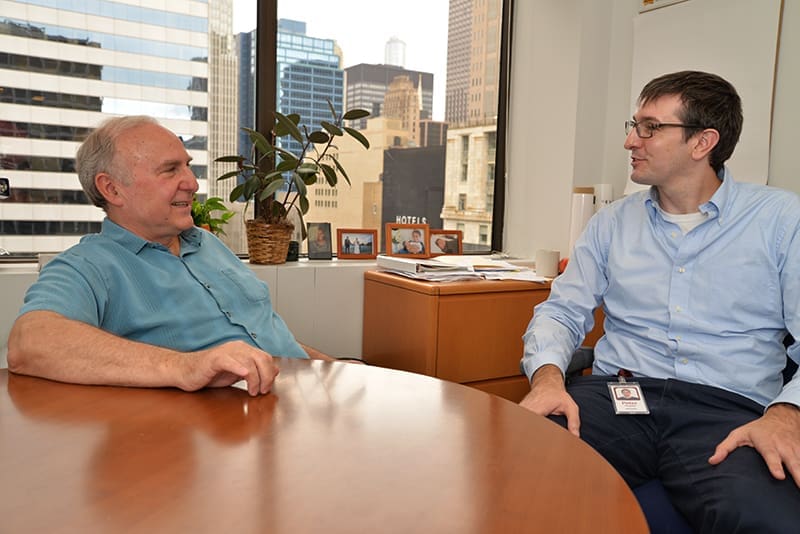 AFC: When did you first meet Pete, Art?
Art: I met Pete for the first time when we were in the parks [for] the 100,000 Homes Campaign. We were interviewing people sleeping in the park; he and I ended up on the same team.
Pete: I was working at Northside Housing and Supportive Services at the time (formerly Lakeview Shelter); I was a supervisor but also carried a caseload of people who were in permanent supportive housing. That was how I got involved with different projects with the Service Providers Commission [a collaborative working group among many supportive housing providers in Chicago].
Art: Pete joined us at the very beginning of the Center for Housing and Health. The Center was created because AFC’s work on housing through the Chicago Housing for Health Partnership had gotten national attention, and we thought it would be good to have a separate, supporting organization that could focus on housing and health issues and went beyond HIV/AIDS. The Center complements what AFC’s Housing program is doing, but it’s also going beyond it. I think one of the reasons Pete is now the Center’s executive director is because he was able to keep up with not only housing issues, which he was familiar with, but started learning a lot about health care reform like I was.
AFC: What inspired you to apply for the position, Pete?
Pete: I think that, first and foremost, I feel very connected to the work that we do here. AFC has a unique way of being both an organization deeply rooted in mission, but also a really great place to work. I also saw a distinct need to help bridge some of the gaps that had developed between AFC and the Center, and because I was here when it first started and as it developed I thought that I could bring some of that perspective to unifying the way that we operate together, but also remaining two separate entities.
Art: Pete is really pinpointing what’s at the heart of not only the Center and AFC, but a lot of what’s happening in health care reform: If we are going to get better health outcomes in the U.S., and if we’re going to lower our health care costs, which are way out of control, we’ve got to pay attention to the social determinants of health. Those are keeping our health outcomes down and our costs up. And, of course, housing for the homeless is a key health determinant; we have the data on it. And in the last few months, all of a sudden the insurance companies, the hospitals, county health are all saying, “OK! Let’s start doing projects together to reduce health care costs related to homelessness.”
Pete: To Art’s credit, he laid a lot of the foundation for this to happen through community-wide councils and gatherings and strategic plans bringing people who helped to craft policy to make decisions. Art has been a shameless promoter for housing for the healthcare sector for a long time, and a lot of his efforts are really starting to blossom as [he’s] retiring.
AFC: When you look back on your legacy with the Center and AFC, what is your proudest contribution?
Art: I would say the CHHP Study was kind of the culmination back then in the early 2000’s because it showed, scientifically, what many of us knew anyway [about the impact of housing on health outcomes]. The Affordable Care Act really made it gel as far as bringing two sectors together, housing and health. Back then, the health care world was saying, “Fine! But we aren’t going to give you any money because we get paid every time we hospitalize somebody.” Now, that’s different.
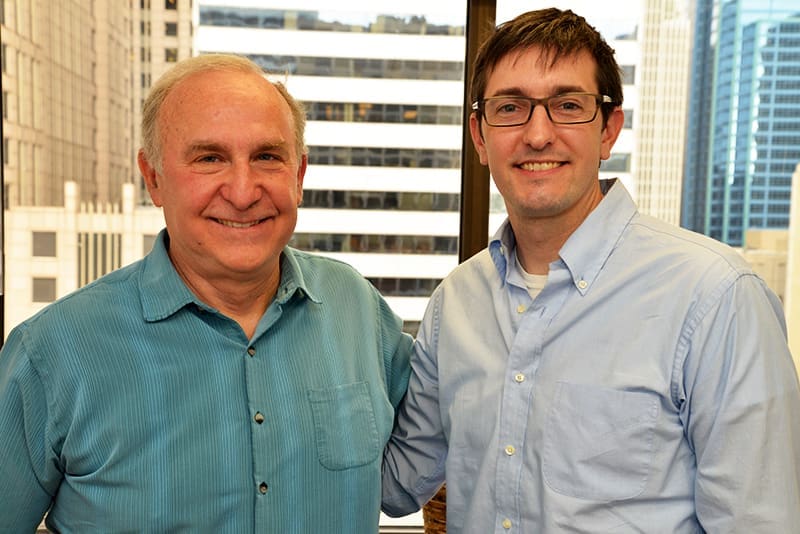 AFC: Pete, what’s something you learned from Art that you’ll incorporate into your new role?
Art: Be honest here!
Pete: I think there are three pieces. One is, Art is a great historian, and with any good historian comes good storytelling. You need to be able to tell the story of what’s happening, and often times that’s for an individual person or family. In order to help persuade, in order to help people really be moved you need to touch their heart. Art can tell that story. He also understands that you can’t just tell stories because then they’re just stories. You need to have data to back up what that story represents. Finally, there’s his systems-level focus: Art knows we can do the work for individuals all day long and we are going to change lives with each person that we house and that we keep in housing, but until we start to address the structures that keep bringing more people into the system, sometimes at a rate that exceeds how quickly we house them, then we’re like hamsters on a wheel and it doesn’t make sense. That’s part of why he convenes people, tells those stories, brings the data to bear and really tries to make a difference for a larger system.
Art: Over the years (not for as many years as I have because I’m a little older than he is!), Pete has built relationships with a number of the executive directors and program directors from our partner agencies — and now in the health care world — and that’s key. In this position, the professional relationships make it happen. We kind of learned from each other, Pete and I, so it was a good partnership in many ways and in some ways it’s going to continue but in a very different way.
AFC: How will you continue to support this work in your retirement, Art?
Art: I can never stop doing this kind of work, so I will continue to be supportive of an agency like the AFC and its Center. I will continue to bring the key players together, support strategic planning and research efforts, and be able to tell stories.
The mission of the AIDS Foundation of Chicago (AFC) is to mobilize communities to create equity and justice for people living with and vulnerable to HIV and related chronic diseases. Founded in 1985 by community activists and physicians, the AIDS Foundation of Chicago is a local and national leader in HIV/AIDS policy, as well as prevention, care and housing.
In the U.S., HIV and community violence are two major issues that disproportionately impact youth (and those working directly with youth). Researchers have identified a range of behaviors that increase the vulnerability of youth to HIV. Ongoing research also underscores the links between community violence exposure and vulnerability to HIV. In particular, it documents associations between community violence exposure and HIV-related sexual risk behaviors among young people.[1]
According to the U.S. Centers for Disease Control and Prevention (CDC), in 2014, youth ages 13 to 24 accounted for an estimated 22% of all new HIV diagnoses in the U.S. In 2014, homicide was the leading cause of death for Black boys and men ages 15 to 34 and the second leading cause of death for Hispanic boys and men ages 15 to 34.[2] Current trends suggest that only 24% of young Black gay and bisexual men living with HIV remain in care,[3] and in Illinois, there are 1,800 new HIV infections each year, 50% of which are in the Black community. According to the Illinois Department of Public Health, nearly 40% of new HIV cases in the state are among young people ages 20-29. These reports show that we must continuously intervene with those most vulnerable to the epidemics of violence and HIV and provide timely and culturally relevant health discussions, policies and programs.
In the wake of police-involved gun violence and community shootings that have contributed to more than 3,200[4] gun victims in Chicago and 10,000 deaths and injuries[5] already in 2016, AFC adopts a position statement about gun violence in the U.S. AFC believes that gun violence is a public health crisis and social driver of new HIV infections, and therefore requires a comprehensive public health response and solution. Social science recognizes gun violence as an epidemic that moves among social networks in what epidemiologists call “social contagion.”[6]
AFC recognizes that gun violence is a public health crisis that requires community-informed, life-affirming action immediately. At AFC, we challenge and address many of the systemic and social barriers to health care access by working to improve health equity. Our goal is to identify, document and solve health care access implementation problems for all communities affected by HIV.
The similarities in the geographic patterns of HIV infections and gun violence in racially segregated Chicago are astounding. For instance, an analysis of the Chicago Department of Public Health HIV/STI Surveillance Report[7] and the Healthy Chicago 2.0 Report[8] reveals that many of the same Chicago-area ZIP codes with the highest incidences of HIV infections are the same ones most impacted by gun violence, including by not limited to the following: West Garfield Park, North Lawndale, Washington Park, West Englewood, Englewood, Greater Grand Crossing, Woodlawn, South Shore, Auburn-Gresham, Chatham, Avalon Park, South Chicago, Washington Heights, Roseland and West Pullman.
The impact of public policy decisions such as school closures, disproportionate policing and disinvestment in community health care facilities must be explored in our examination of this crisis. We must also examine the intersecting impacts of racism, stigma and discrimination. It is clear that the sustained change we all seek requires a deep investigation of all forms of violence — interpersonal and state sanctioned.
Additional information
AFC can no longer be silent about the gun violence that routinely takes place in the U.S. and in Chicago. It does not matter whether these violent incidents are the mass killings of people who are in spaces once considered safe or shootings in Chicago communities that should also be free from danger.
Going forward, AFC will treat gun violence as an epidemic as we work towards health equity for people and communities living with or vulnerable to HIV. We stand with the families and communities that are regularly impacted by the collective toll of gun violence, as well as those whose lives altered by a single individual who seeks to do mass harm. We support sensible gun violence legislation and efforts that recognize gun violence as a symptom of deeper systemic and structural issues in American society.
AIDS Foundation of Chicago’s position
The AIDS Foundation of Chicago supports stronger enforcement of current federal and state gun safety laws to decrease the prevalence of guns in communities. AFC also recognizes that the justice system’s response to gun violence has focused far too often on intrusive policing tactics and an overreliance on incarceration. Ultimately, these efforts destabilize neighborhoods and damage police-community relations. Thus, AFC calls for the following:
- Evidence-based, public health responses to the gun violence epidemic, such as:
- Increased harm reduction services;
- The creation and implementation of law enforcement tactics that strengthen community relations and police accountability; and
- Efforts to address the root causes of gun violence by investing in job training, mental health and substance use services, reentry support, and other wraparound social services.
- Investment in social services and supports that address issues that lead to community and police-involved gun violence.
- An examination of societal obstacles, including lack of employment options that pay a living wage and educational opportunities.
- The creation of increased programing designed to divert individuals away from involvement in the criminal justice system.
[1] Voisin, Dexter; Jenkins, Ester; & Takahaski, Lois, “Towards a Conceptual Model Linking Community Violence Exposure to HIV Related Risk Behaviors among Adolescents: Directions for Research.” Journal of Adolescent Health 49 (2011): 230 -236. Print
[2] Bieler, Sam; Kijakazi, Kilolo; Vigne, Nancy La; Vinik, Nina & Overton, Spencer, “Engaging Communities in Reducing Gun Violence: A Road Map for Safer Communities.” (April 2015): Retrieved from http://www.urban.org/sites/default/files/alfresco/publication-pdfs/2000760-Engaging-Communities-in-Reducing-Gun-Violence-A-Road-Map-for-Safer-Communities.pdf
[3] Rosenberg, ES, Millet, GA, Sullivan, PA, del Rio, C, & Curran, JW. “Understanding the HIV Disparities Between Black and White Men Who Have Sex with Men in the USA Using the HIV Care Continuum: A Modelling Study.” Lancet HIV 1(3) (2014) 112-118
[4] Shooting in Chicago, Chicago Tribune, (as of September 29, 2016). Retrieved from http://crime.chicagotribune.com/chicago/shootings/
[5] Gun Violence Archive, (as of September 29, 2016). Retrieved from http://www.gunviolencearchive.org/
[6] Papachristos, Andrew, “Tragic, but not random: The social contagion of nonfatal gunshot injuries.” Social Science and Medicine 125 (2015): 139 -50. Print
[7] Chicago Department of Public Health. HIV/STI Surveillance Report, 2015. Chicago, IL: City of Chicago; December 2015. Retrieved from https://www.cityofchicago.org/content/dam/city/depts/cdph/HIV_STI/HIV_STISurveillanceReport2015_revised.pdf
[8] Dirksen JC, Prachand NG, et al. Healthy Chicago 2.0: Partnering to Improve Health Equity. City of Chicago, March 2016. Retrieved from https://www.cityofchicago.org/content/dam/city/depts/cdph/CDPH/HC2.0Plan_3252016.pdf
What do you do when you’re 15 years old and your good friend comes out to you as HIV-positive?
Alfredo Flores (now 21) knows how it feels. After he came out as gay in his teens, Flores joined Mpowerment, an HIV prevention program for young gay and bisexual men. Mpowerment runs programs across Chicago to help people stand up to the stigma around HIV.
“When I first started volunteering for HIV organizations, I came out and wanted to be part of something and meet new people,” recalled Flores. “I went to one and I met guys like me, and after a while, I started to get to know them personally.”
After one group meeting at his house in Chicago’s La Villita (Little Village) neighborhood, Flores’ good friend asked him if he could talk one-on-one.
“We went around to the side of the house and he started asking me questions about how I felt about HIV. I thought it was kind of weird, and then he said, ‘I need to tell you: I’m HIV-positive.’”
Flores didn’t know what to do.
“I was kind of helpless. I didn’t know how to provide the best support since this was the first time someone has told me this. I was like, ‘ok, what do I do; I can’t do anything about it.’ It was an eye-opener, like, ‘oh, snap, this could happen to anyone.’”
In the days after his friend came out to him, he was a little bit scared. They had dated, so he was nervous about his own status. His HIV test came back negative.
“We became really close, but we never really talked about HIV. It just brought us closer.”
Flores continued his volunteer work with Mpowerment; this interaction with his friend (and several other friends who would later come out to him as gay, bisexual, or HIV-positive) ignited his passion for the work. Flores wanted to be prepared and be a resource for those who are not only HIV-positive but for those who are most at risk of HIV. His regular volunteerism with Mpowerment programs evolved into a paid job when his mentor identified him as the best fit for a new position at CALOR with their Mpowerment chapter.
“I’m currently 21 years old, so a lot of my ‘youth’ are older than me! It’s weird to say that …”
“Sex is not a good thing in the Latinx community.”
Being Latinx and gay can be a huge culture clash; Mpowerment aims in part to build a community for young men who have similar experiences and cultures and make sure they feel supported — even when their cultures at home might not welcome them.
Flores experienced some rough times with his family. After he came out and began volunteering with Mpowerment programs, his mother was worried that he was HIV-positive and “messing around” with his fellow Mpowerment members.
“It was hard for my family to take that because I was volunteering — and she wondered why I wasn’t doing something I could get paid for. It was hard for my family to understand why I was doing this work.”
Their relationship is better now. “They’re very supportive; they want to learn and to be educated about this. If you’re a brother, a mother, a son, strive to understand people’s lives. I believe everyone should always take initiative with his or her health. Whether it’s getting tested or seeking HIV care, one should not be afraid because of stigma.”
But still, Flores acknowledges that there are challenges for the Latinx community to support or understand HIV. Flores attributes this, in part, to the lack of diverse campaigns and programs in the U.S. around HIV.
“How can a mother who only speaks Spanish get the campaign that’s happening if it’s not translated? In terms of HIV, I don’t think the Latino community is very open… we don’t talk about it or have any type of effort to close the gap. Sex is not a good thing in the Latinx community.”
Flores hopes to transform this perspective on sex, on HIV and on community, so that people who look, act and experience things like he did can feel truly, peacefully empowered.
by Cotrell Loftin
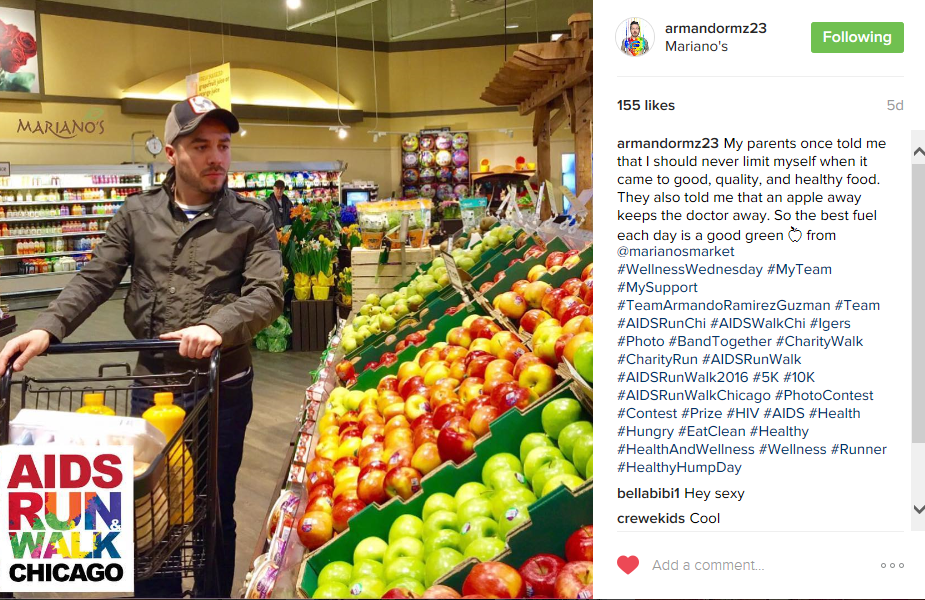
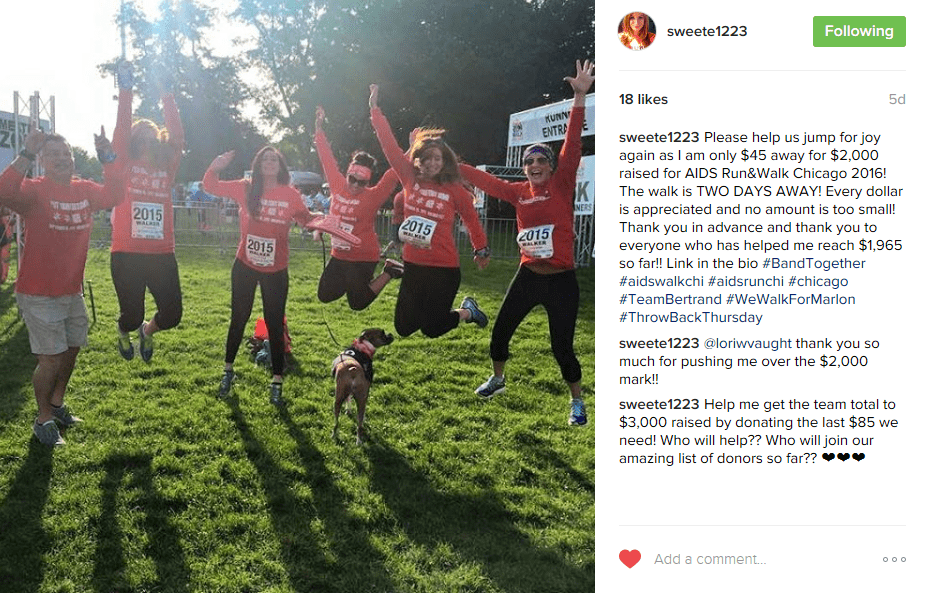
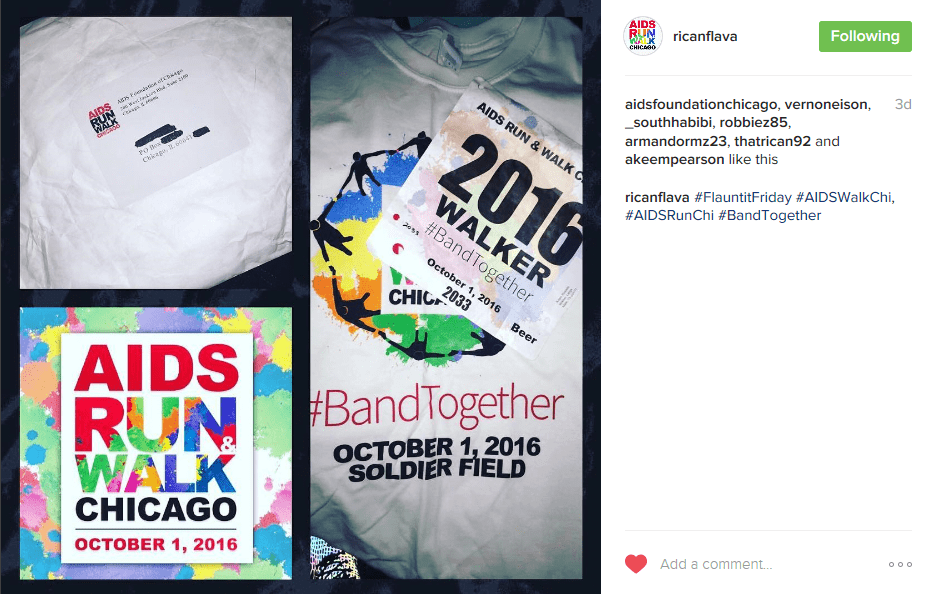
AIDS Run & Walk Chicago was back on Saturday, Oct. 1, but we’re still feeling the excitement! In the week leading up to the event, we held an Instagram challenge that received many great entries. Congratulations to the daily winners and the grand prize winner @Ricanflava who won a ticket to World of Chocolate! See the winning posts below and stay tuned for the next contest. Better yet: make a donation by Monday, Oct. 31!
#MotivationMonday
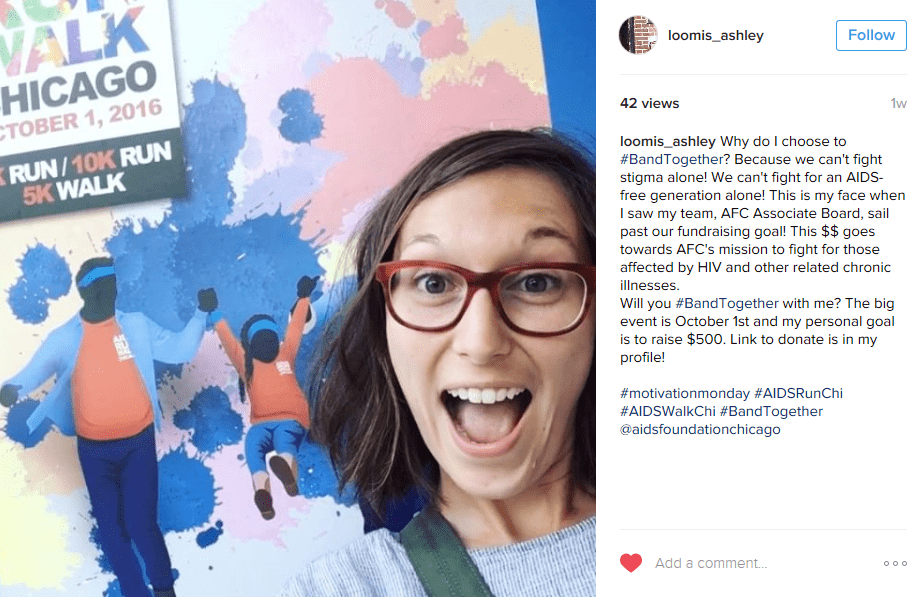
#TeamTuesday
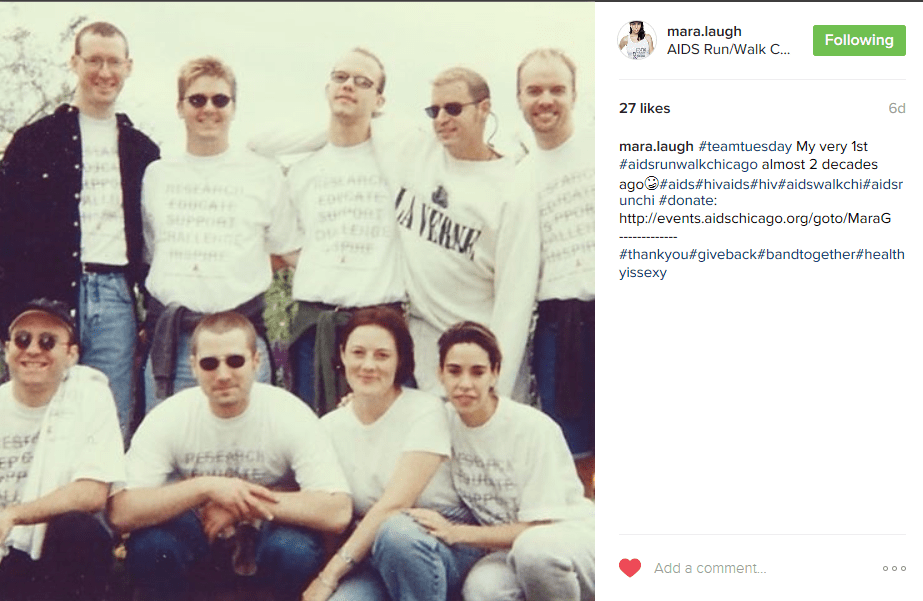
#WellnessWednesday
#ThrowbackThursday
#FlauntItFriday
#SuccessSaturday
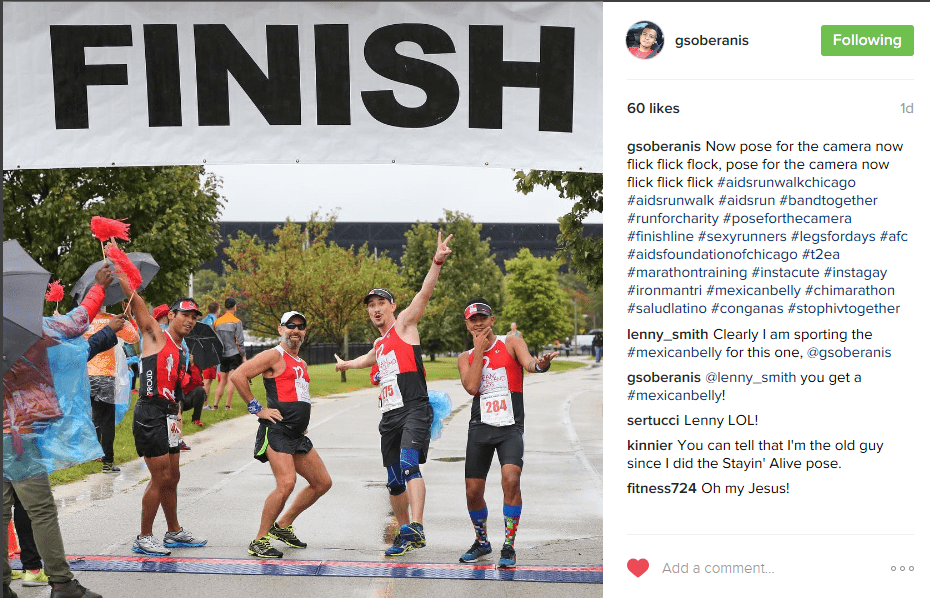

Heavy rain and high winds didn’t stop thousands of Chicagoans from taking a stand against health inequity and supporting the HIV community at AIDS Run & Walk Chicago on Saturday, Oct. 1, at Soldier Field.
“Together, we’re building momentum to not just provide services, but to provide equity and justice for people living with and vulnerable to HIV and related chronic diseases!” announced AIDS Foundation of Chicago (AFC) President/CEO John Peller to an estimated crowd of 2,500 runners, walkers and volunteers. At press time, the event had raised more than $471,000 (gross), which will be distributed among 33 organizations that support people living with and vulnerable to HIV and AIDS in the Chicago metropolitan area.
5k and 10k runners and 5k walkers were welcomed to the festival grounds on Soldier Field’s south lawn with an opening ceremony that included a performance by the Chicago Gay Men’s Chorus, inspirational remarks by Peller, Honey West and Armando Guzman, and a moving performance of “You’ll Never Walk Alone” from the musical Carousel by Chicago stage star Donica Lynn. WGN-TV’s entertainment reporter Dean Richards hosted the festivities.
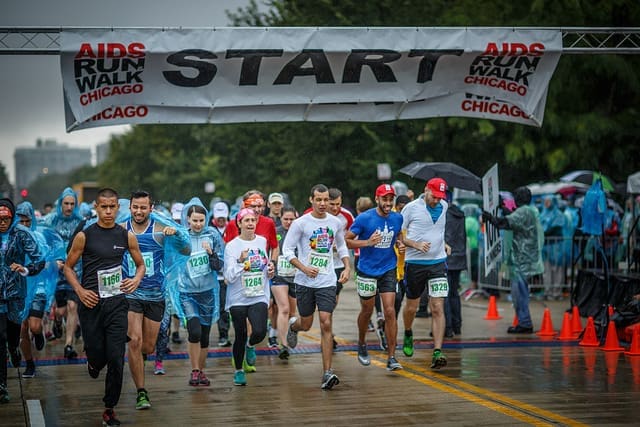 The rain didn’t slow down the 5K and 10K runner competition: 5k first place winners (in men’s, women’s and gender-neutral categories, respectively) were Michael Smith, Kimberly McClain and Timothy Carbonara, and the 10k winners were Jamie Kelly, Sheila Murphy and Milo Vieland. A full list of participant finish times is available at aidsrunwalk.org.
Funds raised through AIDS Run & Walk Chicago will benefit programs and services for the AIDS Foundation of Chicago and 32 other metropolitan organizations that provide life-saving services to people living with and vulnerable to HIV and AIDS. Since it was established in 2001, AIDS Run & Walk Chicago has netted nearly $5 million to battle the epidemic.
Fundraising totals for AIDS Run & Walk Chicago will continue to grow, as donations will be accepted throughout autumn. To donate or learn more, visit aidsrunwalk.org or call 312-334-0946.
CONTACT: Brian Solem, [email protected] or 224-623-4508
PHOTOS: aidschicago.org/aidsrunwalk2016
AFC has submitted comments to the state of Illinois on their proposed 1115 Medicaid Waiver. The federal government allows states to submit these waivers that, if approved, allow states to experiment with the Medicaid program in their state to try things not normally allowed under federal law.
Through the Affordable Care Act (ACA) more people living with and vulnerable to HIV have become Medicaid-eligible. Improvement of the state’s Medicaid program must play a central role in the state’s strategy for fighting HIV.
Illinois’ proposal focuses on behavioral health, including supportive housing services, supportive employment services, and optimizing the mental health service continuum, among other proposals.
AFC supports the Administration’s decision to focus on the behavioral health system in this waiver proposal. The broadly defined strategy and goals of the waiver will serve as an effective foundation for the transformation effort, but we believe our presented comments will strengthen the proposal. Among other comments, we encouraged the state to broaden its definition of homelessness, to include access to tenancy and pre-tenancy services, and to include all people with disabilities in supportive housing “Pre-Tenancy and Tenancy” services, not just those with a serious mental illness (SMI).
Click here to read AFC’s comments.
The state is accepting comments through Oct. 2, and then will submit the proposal in its final form the federal government for approval. If approved, the waiver will last for five years.
by U.S. Rep. Robin Kelly (D-IL)
Today, on National Gay Men’s HIV/AIDS Awareness Day, we ponder the significance of HIV and AIDS as an American and international reality. 35 years have passed since our country initially confronted the biological challenges of this epidemic. We still grapple — oftentimes clumsily — with stigma and our social response, while contending with the precarious nature of life in the face of HIV/AIDS. Yet neither stigma nor silence nor apathy have any constructive place in our collective battle to end the HIV epidemic.
We know that HIV in the U.S. disproportionately affects gay and bisexual men. In the early 1990s, AIDS was the number-one cause of death for men ages 25-44 years, with the greatest burden existing among gay and bisexual men. While we are no longer experiencing such a dire death toll, the HIV disparities are still stark. Currently, the Centers for Disease Control and Prevention estimate that gay and bisexual men represent over half of people living with HIV in the U.S. Perhaps your favorite uncle, your church deacon, or you are among this group.
Due to the development of antiretroviral therapies, savvy advocacy, well-funded public health campaigns, and greater emphasis on early testing, many gay and bisexual men who are HIV-positive and have access to regular treatment now live long and thriving lives. The transformational pre-exposure prophylaxis, PrEP, enhances the opportunity for people more vulnerable to contracting HIV to lead loving lives in the context of intimate family, friendly and romantic relationships.
Still, the veracity of HIV impacts a certain gay and bisexual community on a deeper, more intersectional level: young, African-American gay and bisexual men bear the greatest brunt of HIV.
Current trends suggest that one in two Black gay and bisexual men will be diagnosed with HIV in their lifetime, and in my home state of Illinois, there are 1,800 new HIV infections each year, 50% of which are in the Black community. According to the Illinois Department of Public Health, nearly 40% of new HIV cases in the state are among young people aged 20-29. These reports show that we must continuously intervene with those most vulnerable to provide timely and culturally relevant health discussions, policies and programs.
In the late 1990s, my esteemed forerunners of the Congressional Black Caucus were astute enough to declare a state of HIV emergency within the Black community. In their wake, I again ring the alarm. By consistently raising consciousness within our friend, family, and socio-political circles, I am very hopeful that we may usher in an AIDS-free generation.
There is great opportunity to be a part of this momentous effort. Schools and teachers can host the hard conversations with young people about sex and sexuality. Worship centers and worship leaders can hold transparent youth forums about the importance of complete wellness and wisdom in decision-making. You can personally support community-based centers, like the AIDS Foundation of Chicago, that are repositories of correct and empowering information on HIV. More than anything, you can become an emotional safe space for anyone who is living with HIV, or who may be vulnerable to the virus.
To people younger and older, opposite-gender-loving or gay or bisexual, there is wisdom, not shame, in being aware of your HIV status, and even sharing your status with people whom you trust or wish to encourage with your story. Likewise, there are sure regrets to an individual’s or a community’s willful ignorance and silence on the issue. Therefore, I implore health care providers to be vigilant to the unique needs of gay and bisexual men living with HIV. I encourage all people — especially gay and bisexual men — to insist that HIV screening is a regular part of the wellness experience. Being aware of your own HIV status and having empathy for the unique health and social challenges that accompany the HIV experience can only engender a healthier, stronger nation. I, too, am sure to get tested regularly.
As Chairwoman of the Congressional Black Caucus Health Braintrust, I am committed to engaging with local and national HIV/AIDS advocates, such as the AIDS Foundation of Chicago, to learn more about the unique trials of people living with HIV. Moreover, I am so very proud of those tirelessly involved in the frontlines against HIV/AIDS. Whether you are an advocate, researcher, loving partner or parent to someone living with HIV, you are absolutely the force behind this fight. I am all the more enthused to promote equitable access to quality health programs, and to craft thoughtful, well-informed policy interventions that advance the overall health of our nation.