By Ramon Gardenhire, Vice President of Policy and Advocacy
As the co-chair of AIDS United’s non-partisan Public Policy, Elections Sub-Committee, and working in partnership with a coalition of nearly 70 organizations, I traveled across the country to meet with the presidential candidates to influence inclusion of HIV/AIDS policy language within each party’s platform and campaign policy planks. You can read more about the challenges and triumphs of one of those meetings here.
I wanted to share some exciting news with you: For the first time in DNC history, action on HIV/AIDS will be intentionally included in the Democratic National Committee (DNC) platform, which delegates will vote on at their convention this week. The convention will also feature an HIV-positive speaker on Wednesday; a voice from the HIV community has not been amplified from either party’s convention floor since 2000.
Excerpt of the DNC platform section on HIV/AIDS |
|---|
|
Democrats believe an AIDS-free generation is within our grasp. But today far too many Americans living with HIV are without access to quality care and too many new infections occur each year. That is why we will implement the National HIV and AIDS Strategy; increase research funding for the National Institutes of Health; cap pharmaceutical expenses for people living with HIV and AIDS; reform HIV criminalization laws; and expand access for harm reduction programs and HIV prevention medications, particularly for the populations most at risk of infection. Abroad, we will continue our commitment to the President’s Emergency Plan for AIDS Relief and increase global funding for HIV and AIDS prevention and treatment. Democrats will always protect those living with HIV and AIDS from stigma and discrimination. |
We are very excited to see the fruits of this hard work coming together! HIV/AIDS was part of past DNC platforms, but usually just as a line or two in the health care or LGBT sections of the platform. It’s also important to note that HIV/AIDS is the only specific disease with its own section in that party’s platform.
The coalition working on this effort also attempted to influence the Republican National Committee (RNC) platform as well — but with no luck. This is especially concerning because turning the tide on HIV and ending new AIDS cases in the U.S. is of national importance. It’s imperative that both national parties articulate their commitment to helping end the epidemic here in the U.S. and around the world.
We will continue to ensure that HIV/AIDS remains a visible part of the national narrative throughout this election cycle. For example, we published a presidential questionnaire that several candidates answered. We are also working to ensure that HIV/AIDS questions are included in presidential debates, writing policy briefs and recommendations to sway elected officials’ prioritization of HIV and drafting an HIV/AIDS transition document for the incoming administration.
To stay informed on how the presidential candidates and their campaigns seek to end the HIV epidemic and advance sound HIV policy this election cycle, please sign up for AIDS United policy updates and AIDS Foundation of Chicago alerts.
by Dan Frey, Director of Government Relations
Good afternoon, everyone! I wanted to take a quick minute to update you all on the events in Springfield last week.
The General Assembly (GA) came together on Wednesday and Thursday to pass a bill that partially appropriated for a short-term, stopgap budget. Governor Bruce Rauner has already signed this budget, SB 2047, into law. The bill is designed to carry the state through the end of December. It is important to note that the bill did not contain appropriations for items currently covered by court orders or consent decrees (such as Medicaid), nor was there any new or increased revenue passed by the GA. Also, it did not include any Turnaround Agenda items the governor has previously been demanding. It did include spending authority for FY16 items that had previously been without an appropriation.
FY16
For FY16 and the budget items AFC tends to be most interested in, the African American HIV/AIDS Response Act (AAARA) was funded at $500,000, though from the African American HIV/AIDS Response Fund (AAARF), not from the General Revenue Fund (GRF) as previous versions of the budget proposed by House Democrats (and vetoed by the governor) had contained. This is important because there was no transfer of funds into the AAARF within this or other legislation, and the AAARF currently contains only around $220,000. By not funding the fund, this appropriation will likely not be spent, just as the FY15 appropriation of $1.5 million was not spent.
The stopgap appropriation bill provides three lines of funding (totaling $13,729,600) for homeless supportive housing for FY16. This is short of full funding, though much more than Rauner initially proposed for FY16. However, these funds are available for both FY16 and FY17.
FY17
The budget contains a number of items for FY17. The federal funds that had been appropriated in previous FY16 bills were included in this legislation as well. The items that AFC has been tracking also were included, and their amounts are as follows:
-
AAARA: $500,000 (from AAARF)
-
HIV Lump Sum: $17,923,800 (from the Commitment to Human Services Fund)
There were a number of other items passed by the GA as well, Chicago School Pension Parity, ACA hospital access payments, among other items that got both sides to an agreement. This bill is a welcome relief from the uncertainty that we dealt with for an entire year, but it is important to note that this does not fix the underlying issues facing Illinois, namely that we have not enough revenue to support all the services that Illinoisans in most need require. As long as there is a lack of political will to either pass increased revenues or to cut those essential services, there will continue to be budgetary issues. The impasse has, unfortunately, only been given a momentary reprieve.
Up Next
The House has released its “veto session” calendar and are scheduled to next be in session on Tuesday, Nov. 15. The Senate has yet to release its veto calendar, but it will likely mirror the House’s.
About the blog
BudgetWatch is a weekly update from the AIDS Foundation of Chicago’s on-the-ground team in Springfield about the state’s longstanding budget impasse. Follow along at aidschicago.org/budgetwatch.
Salud y Orgullo Mexicano project manager Gilberto Soberanis describes his physical and emotional journey across borders and boundaries, both literal and figurative. Edited by Mirhanda Alewine.
Hear Beto tell his story in his own words (en español). |
In 1995, when I was 10, my mom, 2 year-old sister and I got on a one-way-flight from Acapulco, Guerrero to Nogales, Sonora. The next day, we met other families, mostly older women holding their young children, and we made our way on foot to the frontera of Nogales. There, we met the coyote, a human smuggler, who gave us instructions on how to jump and climb a wall of steel, wire and concrete standing about 30 feet high.
Somehow, it happened safely, and we continued by foot in the desert until we were greeted by another coyote who took us to a safe house. There, we waited until my father, who migrated a year earlier, was able to pay the coyote tens of thousands of dollars. Upon payment, we were released from the safe house and placed on a plane to meet our family in Chicago.
As a 10-year-old, how was I supposed to know what was going on? What was good or what was bad? I remember being mad at my parents because I was leaving my friends and school. San Luis San Pedro, Guerrero, is a beautiful small town; I remember running free, eating delicious mangoes, enjoying warm winters, spending my free time at the nearby river and taking trips to the beaches. I remember leaving a childhood where I knew who I was and where nature was my friend.
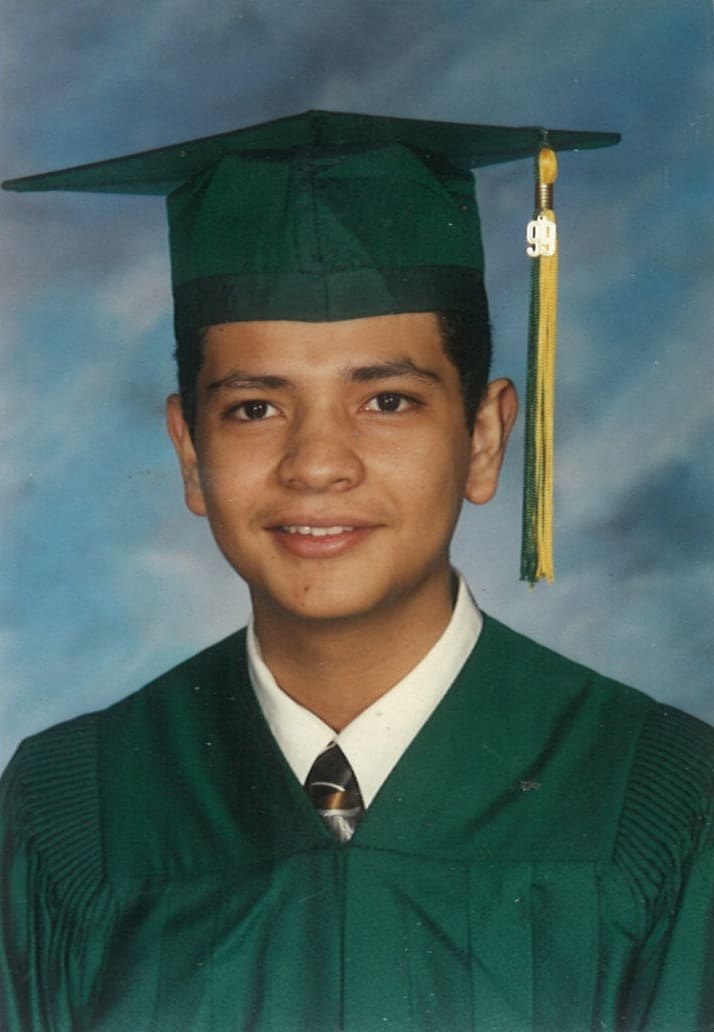 But I was 10—was all of that really the case? As an adult, I understand the struggle that my parents had to undergo, the sleepless nights where they were thinking of our future, the back breaking labor my dad did on a daily basis to put food on the table and how my mom washed other people’s clothes to bring some extra cash to pay for our school supplies.
As a child, I was blinded by the truth. The reality was that we were living in poverty, in a place full of crime and drug cartels, a place that had little access to clean water, and going to a school that didn’t have access to electricity. Many may think that crossing the border is a big risk not worth taking and that thousands of people have died attempting get the American Dream. But what would you do if you were one of those 11 million people that were escaping crime? Drug wars? Poverty? I will forever be grateful for my parents’ decision for taking a leap of faith and for taking that journey up north.
The first five years of living in Chicago were HARD, as in, the worst years of my life to this point. I was forced to integrate into a culture I had nothing in common with; I didn’t speak English, I didn’t know what my peers were watching on TV, I had no friends and I didn’t know how to initiate conversations, since I didn’t even know what to talk about.
As a result, I started eating a lot—lots of sugar, lots of cereal, lots of burgers, lots of everything! My daily routine for the next years was to go to school, sit in the back of the classroom and not say anything, come back home, eat, and watch a lot of TV. As a consequence, I gained a lot of weight. I mean, I was a big chubby Mexican kid who didn’t speak a word of English and had no friends. I was hiding my pain and loneliness. I was living in this magical world America where everything was provided, but I was miserable and depressed. But, as an early teen, I wonder why I didn’t speak with my parents about any of this? Honestly, I don’t think I still know: maybe I was convinced that what I was going through was only temporary or that everyone was going through the same thing as me? The reality was, my parents were busy working 40-60 hours a week and that they were saving all of their money to pay the migration debt.
I managed to focus on school and learning English to avoid the reality around me. Migrating to the U.S. had a big cultural impact on me. I felt lost for years, and I lost a sense of who I was as a teen. Still feeling lost, I started looking for a community where I would feel accepted and welcomed. In high school, this meant joining sport groups, science clubs and the Heartland Alliance AIDS Ride Team to try to see where I could fit in.
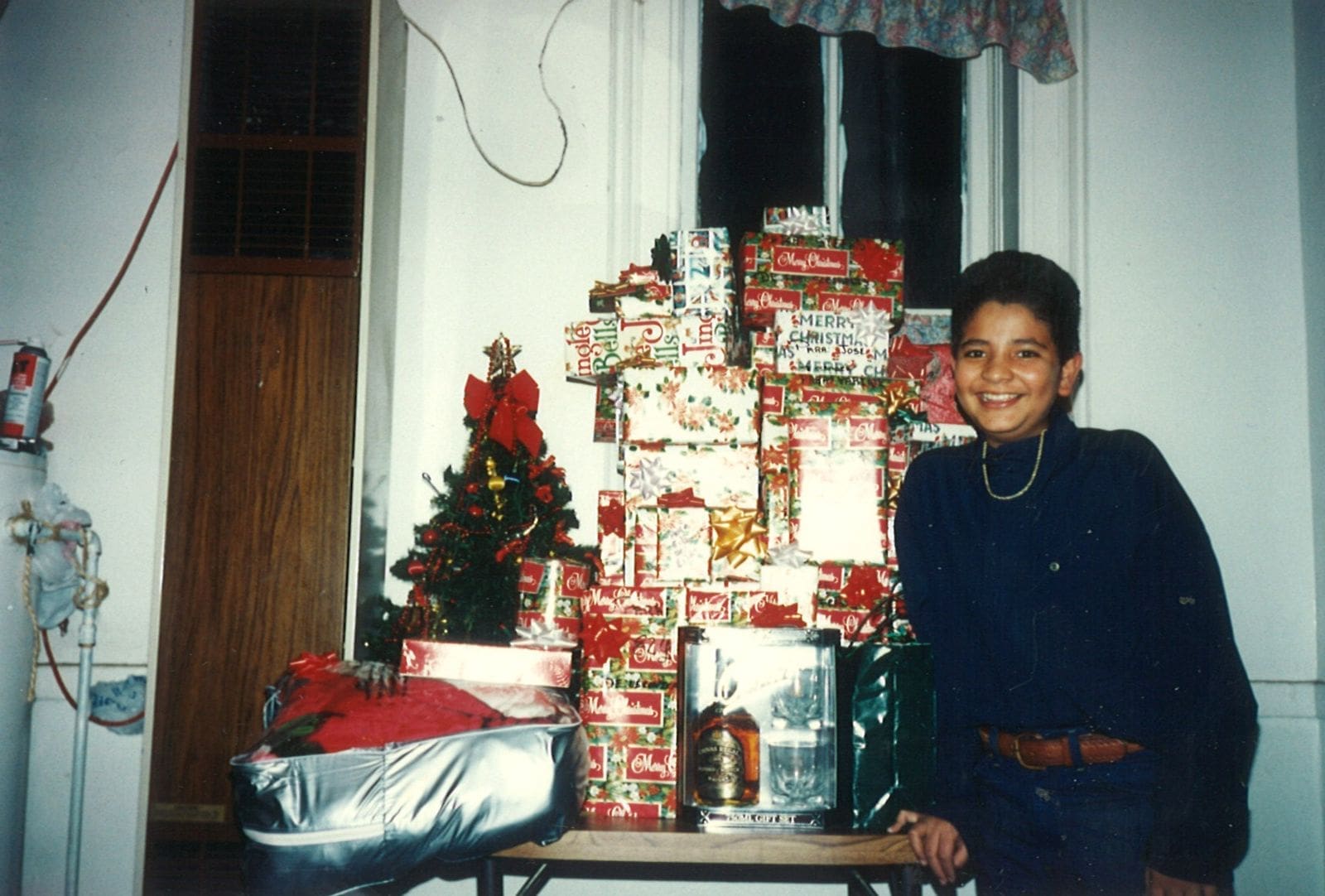 As I started to find groups to fit in, I found myself more disconnected from my family. I wasn’t talking with them much about who I was and or about new interests. The reality was that I didn’t know how to tell them that I was gay. I had finally found a community in school where I could build friendships, but I had no idea who I could talk to about being gay. Latino families are not the best to talk to about sex or homosexuality in their households, because it’s that classic “taboo subject.”
As an alternative, I tried going to a youth drop-in to maybe meet people my age, but that was a disaster. On my first day a staff member violated my physical space, and I never went back. I knew I was gay and continued searching for places where I could learn more about myself and my sexuality, and I got more involved with the Heartland Alliance AIDS team. There I was finally getting the resources I was seeking.
Sadly, this wasn’t the only way I was searching for myself, though. I found a place where I could be myself without anyone knowing about it: the internet. I started chatting with people online, random people around the Chicago area, who agreed and acknowledged everything that I was going through. At that point, I knew that I wasn’t the only person in the closet and that there were many more like me around the world. After searching for acceptance, I finally found it, but it was provided to me by strangers, people I had no connection with. I decided to meet with the people I was talking to online and eventually, I became sexuality active with them. This did not last long, because, after a while, I felt used and disgusted. I had found a piece of me that I wanted to protect: my identity as a young Mexican gay man.
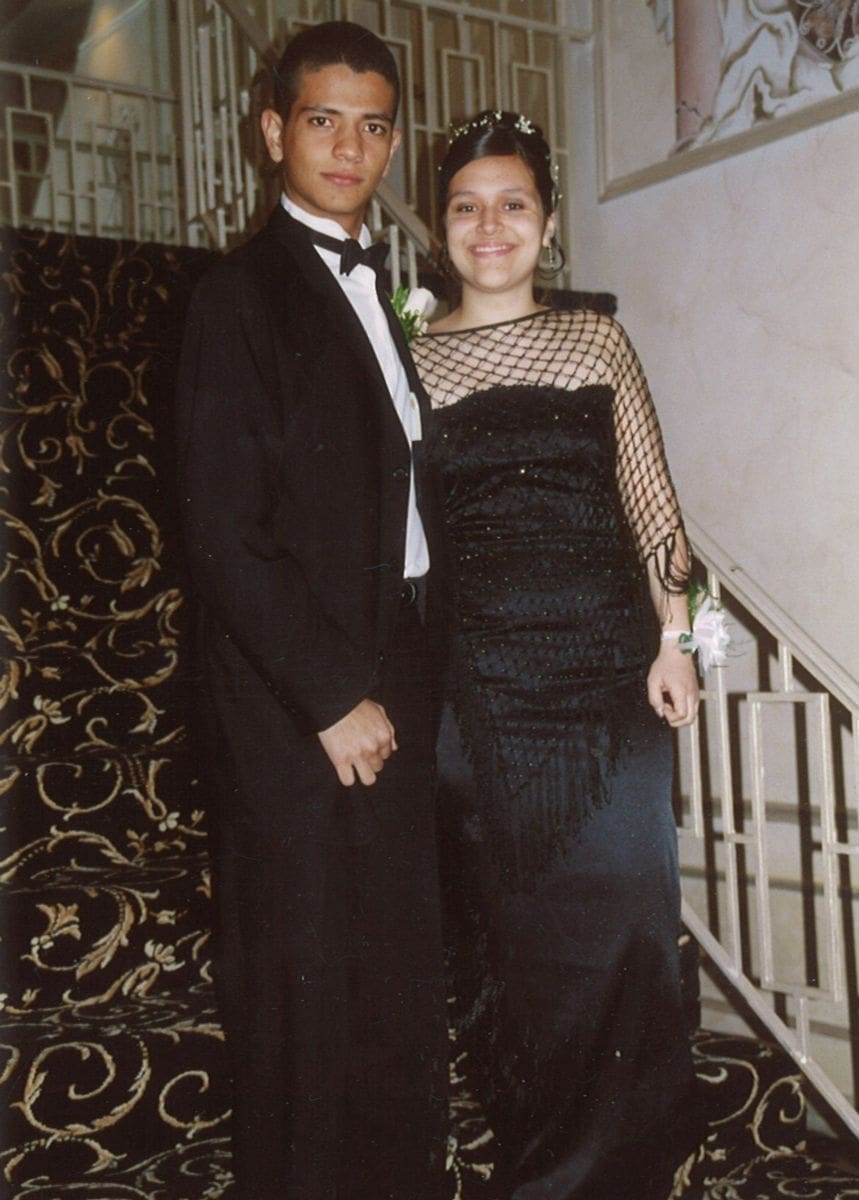 Two weeks before my prom in high school, I came down with a big flu. I remember telling my prom date that I might not be able to go to prom because I was so sick. Eventually, I managed to gather some strength and we went to prom, followed by graduation and end of school celebrations. At that point, I was dating a great guy my age, I was his prom date and we were having a blast. But, we both decided to go in for testing, because we were concerned about a potential STI symptom.
Our STI tests came back negative, but we were told to come back two weeks later to get the HIV test results. Three weeks passed, and I went in for my test results. I got sat down in a room by myself, and I knew something was not quite right because a staff member came in with a folder. My hands were cold, my heart was beating fast and my eyes were staring at the folder. They sat down next to me, and with a calm voice informed me that my test had come back positive.
Silence. There were no words coming out of me. No reaction. Just as if my life flashed before my eyes. I cried. I cried a lot. I was so scared, I didn’t know what to do. What to feel. Who to tell. Luckily, that staff member was there to provide me with support and a much-needed hug. I still remember that hug: their arms tight around my young body, telling me that things were going to be okay.
As an 18-year-old, I was lost. Confused. Scared. Angry. There are actually no words that could describe how I was feeling at that point. I had no hope that I could deal with this by myself, and I decided to tell one of my sisters, who came and met me that night. When I first saw her, I lost it; I was crying like a child who wanted to be comforted, and she hugged me. Once I had the strength to look at her in the eye, I told her that I tested positive for HIV. Silence. And that I was gay. Silence. It’s okay, she said, and gave me a hug. Never before had I felt so free — for once in my life I got the acceptance I had been searching for for years. I was able to use that strength of motivation, and I managed to put myself together.
I did it. I had finally told someone close to me that I was gay, told them my identity.
I was so scared of going to my first doctor’s appointment and starting treatment. The night before, I was at home researching HIV online. One statistic that I remember the most was that HIV-positive individuals only live for 10 years after diagnosis. I was 18 at that time, and I just got told that I was not going to live past 30. How would you act today if you were informed that you only have 10 years to live?
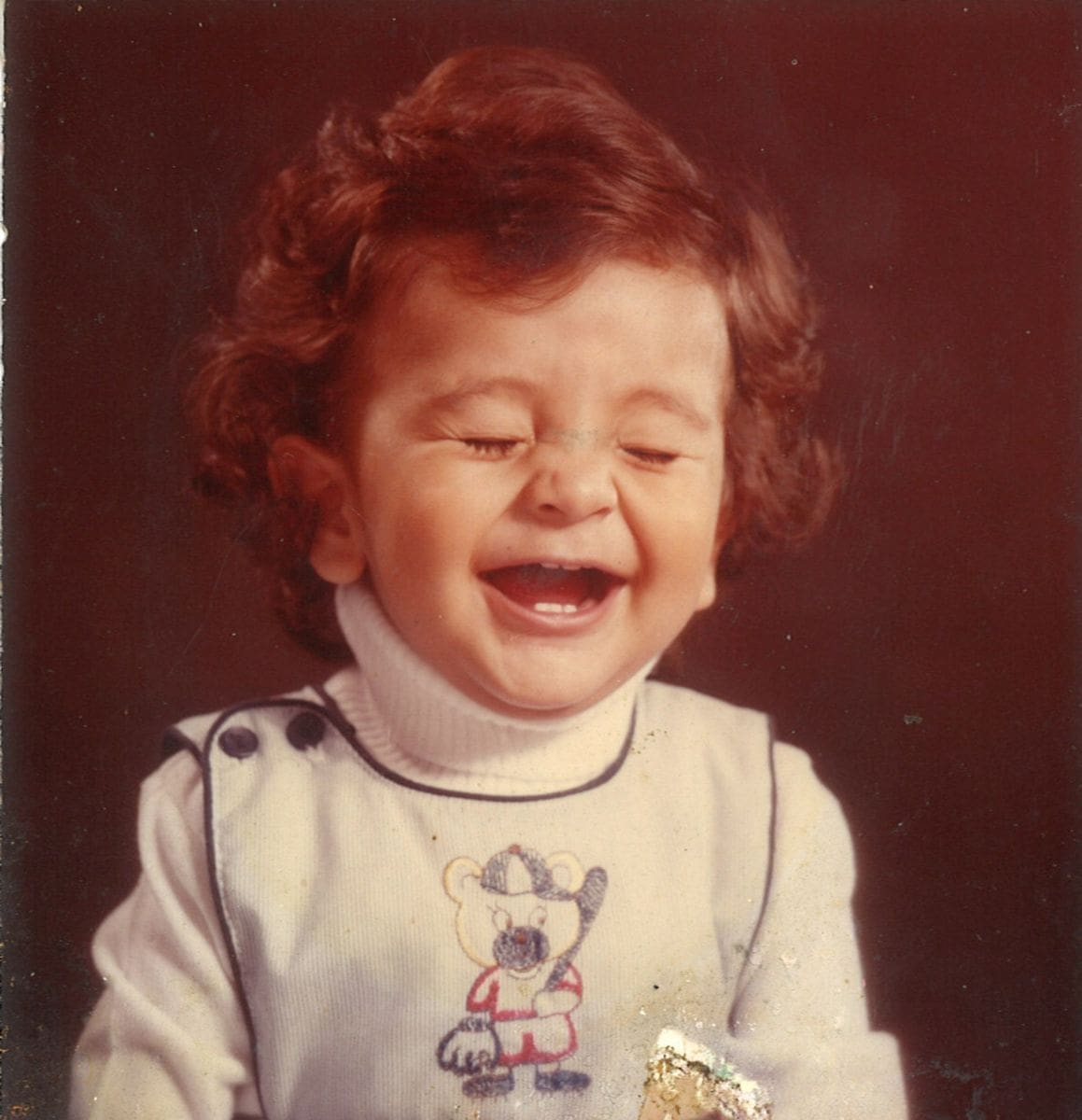 It took a long time to get out of that stage, but soon my case manager began to provide me with the accurate information. They explained the treatment guidelines and helped me deal with my concerns. I’m not saying that my circumstances were the hardest or most unique or that I couldn’t find someone that understood where I was coming from, but it was hard to connect with a case manager who hasn’t gone through similar circumstances.
That’s when they referred me to a peer-to-peer support group. In the support group that I was attending, I was able to learn about what HIV actually is and how it was affecting me by living with it. Little by little I started learning about what the virus was, the functions and social stress that comes with being HIV-positive. For the first couple of weeks or even months, I didn’t really participate in the support groups. I just sat and listened to others’ experiences and started noticing how similar they all were to mine. Slowly, I started opening up, started sharing my story and saw how many people were nodding yes with agreement to everything I was saying. I was no longer alone; I had found a community.
I wanted to give other newly diagnosed youth the same resources that were provided to me, and I eventually became a peer educator for the support group that gave me the fire to move forward. People found my experience useful and connected with me to engage in their medical care. I was grateful for this, and it empowered me to get more involved in the community.
After a few years of sharing my story with people, I started to change the way I was dealing with my own status. I don’t know exactly when it happened, but suddenly I stopped thinking of HIV and started living. Now I live positively. I’m not going to lie, it was hard, really hard, at first. Disclosing my status was even harder. My family still doesn’t know my status, and figuring out when to tell them has always been hard to determine. I know that they will accept me for who I am, but it’s still hard. Maybe after writing this, it will help me come out of the closet again.
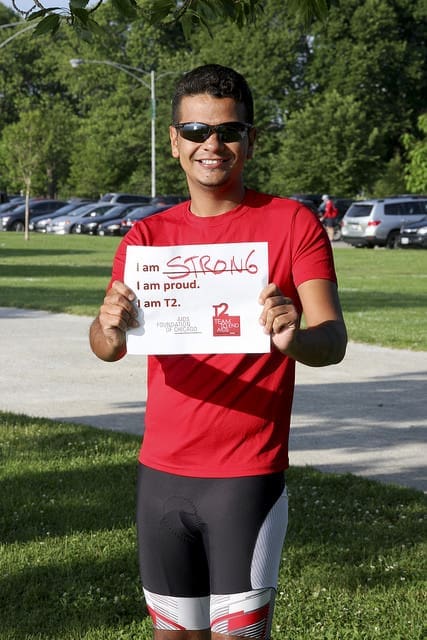 As a 31-year-old, I have reminded myself of all of my identities while writing this. I am Mexican. I am gay. I am Latino. I am part of a community. I am HIV-positive. I am undocumented. I’m in a supportive sero-discordant relationship. It’s really hard to come out of the shadows and face the world. Trust me, I have also been pulled over by the police and asked for a license, gotten nervous when asked to write down my social security number, waited until the very last minute to see a doctor because I had no health insurance and stayed at one job for multiple years because of the fear of not being able to find employment again due to my legal status. It’s scary to jeopardize everything you and your family have worked for, but we need to take care of our health too. Esta es mi historia, and I hope that my story reminds you that you are not alone, that I’m part of your community too. I’m just one of those 11 million people living under the shadows, and I’m privileged to say that I was granted Deferred Action for Early Childhood Arrival a few years ago. I’m coming out of the closet as an undocumented person and I hope that my story reminds you que no estas solo. Stay strong, and be proud of who you are.
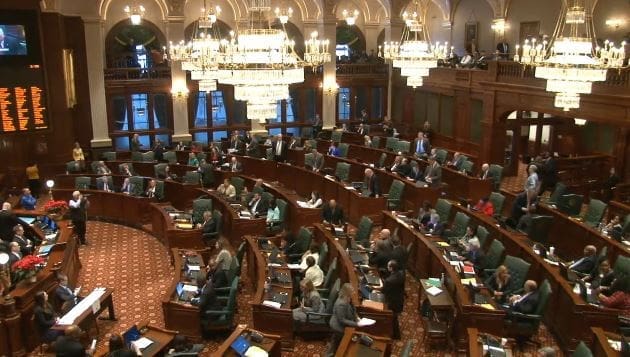 The AIDS Foundation of Chicago is relieved that the Illinois General Assembly and Governor Bruce Rauner agreed to and passed a partial budget for FY 16 and a half-year, partial budget for FY 17, which begins today (Friday, July 1). The agreed–upon budget includes an estimated 65% of funding for the 18-month period covering July 1, 2015 to Dec. 31, 2017. This funding covers HIV prevention and care as well as many other social services, including supportive housing.
However, the General Assembly and governor have not finished their work. Illinois needs a full-year budget for the fiscal year that starts today, and the state needs a responsible revenue increase to meet residents’ needs for HIV testing, care, housing and other services. These budgets only include funding for $0.65 of every dollar that was slated to be spent on critical HIV services — and that’s not good enough. We need a responsible budget that makes health equity a reality in our state.
Despite the shortcomings these budgets present, they are a step in the right direction for Illinoisans. Thank you for contacting your elected officials and demanding that they pass a #PositiveBudgetIL!
See the breakdown of HIV funding included in House Amendment 5 below. AFC will provide additional information on the FY 16 and FY 17 budgets as it becomes available.
|
HIV funding included in SB 2047. Page numbers refer to House Amendment 5. |
||||
|---|---|---|---|---|
Page |
Amount |
Purpose |
Source of funding |
Fiscal year |
|
131 |
$500,000 |
African American HIV/AIDS Response Fund |
African American HIV/AIDS Response Fund |
See p 121 – FY 16 |
|
442 |
$6,250,000 |
authority to spend CDCpreventionfunds |
Public Health Services Fund |
FY 17 see p.425 |
|
442 |
$1,750,000 |
Authority to spend CDC surveillance funds |
Public Health Services Fund |
FY 17 see p.425 |
|
442 |
$55,000,000 |
Authority to spend federal Ryan White funds |
Public Health Services Fund |
FY 17 see p.425 |
|
442-3 |
$500,000 |
African American HIV/AIDS Response Fund |
African American HIV/AIDS Response Fund |
FY 17 see p.425 |
|
443 |
$2,000,000 |
Grants and expenses associated with HIV/AIDS Prevention and Education |
Quality of Life Endowment Fund |
FY 17 see p.425 |
|
773 |
$17,923,800 |
HIV prevention, care, and housing (HIV Lump Sum) |
Commitment to Human Services Fund |
FY 16-17? |
|
773 |
$1,218,800 |
African American HIV/AIDS Response Fund |
Commitment to Human Services Fund |
FY 16-17? |
The AIDS Foundation of Chicago is extremely disappointed that Pride at Montrose was required by the Chicago Police Department to end entertainment early on Sunday, June 26. This historic Black LGBTQ event was an opportunity to celebrate pride and provide health care resources in honor of National HIV Testing Day. Though we acknowledge the event did not have the six-foot fence as described in the security plan, throughout the day, we made changes in an attempt to address the concern. These changes, unfortunately, were viewed as an unacceptable alternative by the Chicago Police Department. We wish they would have provided more flexibility so that we could have worked together to find a plausible and immediate solution. We are grateful to all the incredible partners and attendees who came together for this year’s event.
 Today, the Chicago City Council approved an amendment to remove a provision in the Chicago Human Rights Ordinance (HRO) that requires patrons to show a government-issued ID upon request to access public accommodations that are private in nature, including bathrooms.
“We applaud the City Council’s action today. Removing the discriminatory language towards transgender people not only expands access to spaces like bathrooms, but it also helps ensure that people are treated with dignity and respect,” said Kim L. Hunt, executive director of the Pride Action Tank (PAT), a project of the AIDS Foundation of Chicago.
The Equal Access Consistent with a Person’s Gender Identity Amendment was introduced by Mayor Rahm Emanuel, the LGBT Caucus, and Ald. Ed Burke at the May 18 City Council meeting. The next step was a June 8 public hearing hosted by the Committee on Human Relations, which is chaired by Ald. Pat Dowell (3rd ward).
PAT’s Chicago Restroom Access Project (CRAP) working group led grassroots efforts to coordinate oral and written testimony submissions to the committee and to encourage the LGBTQ community and allies to call their alderpeople to encourage them to support the amendment. ACLU of Illinois, Equality Illinois and Lambda Legal played critical roles as well.
“We congratulate the mayor and the City Council on making this critical change to the city code, a measure built on the principles of fairness and respect. Because of today’s action, transgender people — both those who reside in the City of Chicago and those who visit the city as tourists and for business — will no longer need to fear being asked to prove their gender with a state-issued identification card,” said John A. Knight of the ACLU of Illinois.
The City Council’s vote comes a little over a week since the massacre at the Pulse nightclub in Orlando, FL, where a lone gunman killed 49 people and injured over 50.
“As other states try to erase transgender people from public life, let’s recognize that this Equal Access Ordinance is about more than public accommodations. In the wake of the violence against LGBT people in Orlando, it is about standing up for the dignity of all Chicagoans and ensuring our city remains a welcoming and affirming place,” said Brian C. Johnson, CEO of Equality Illinois.
CRAP is now planning a campaign to educate small businesses and institutions on the policy change and to encourage expansion of gender-neutral bathrooms in Chicago. To find out more about this and the other work of the Pride Action Tank, visit prideactiontank.org.
by Mirhanda Alewine
The AIDS Foundation of Chicago’s Corrections Case Management program aims to support detainees living with HIV as they transition from incarceration, providing them with case managers to help connect them to care and housing. Darlene Davis divulges her experiences with incarceration and HIV, explaining the impact of her corrections case manager.
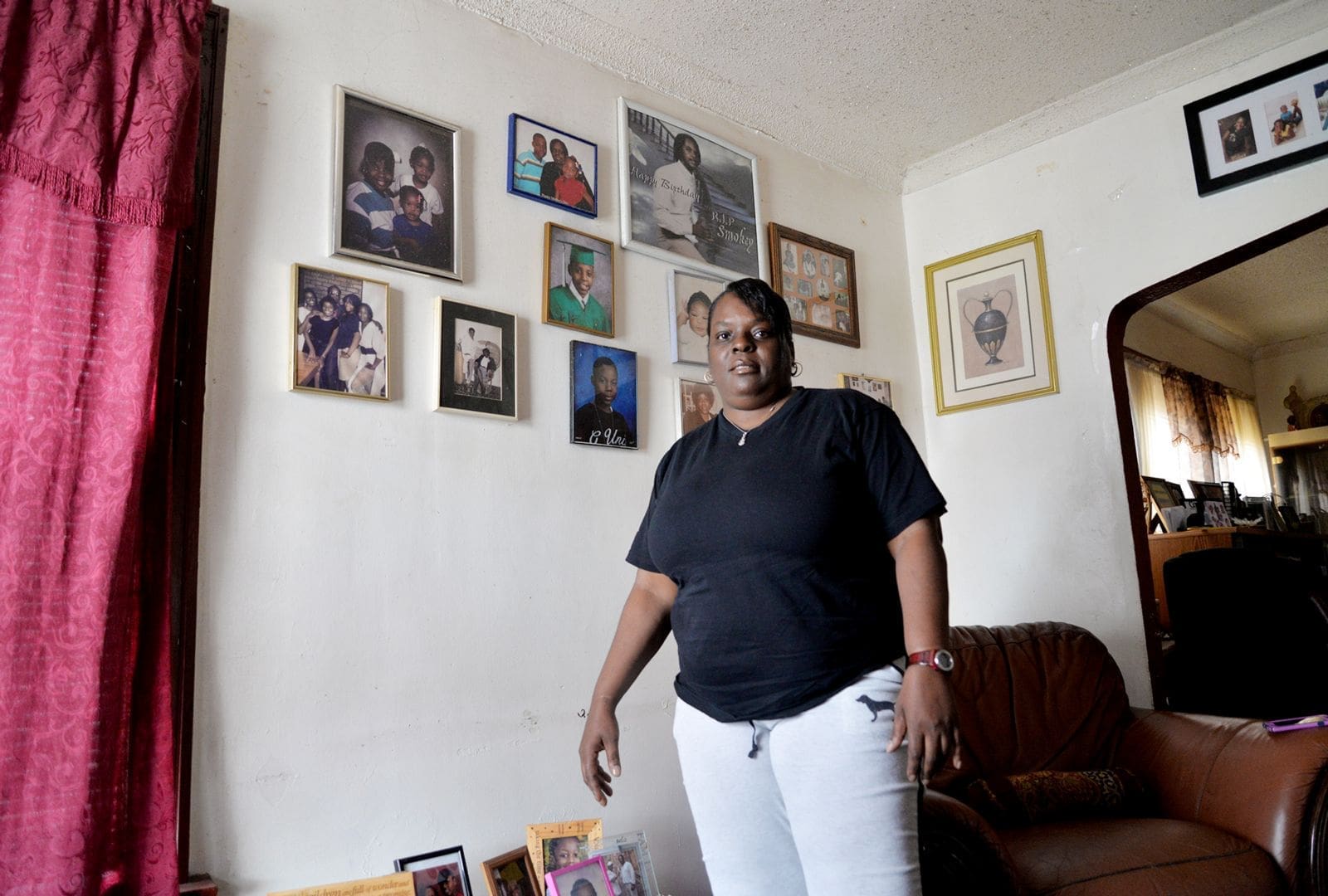 What does homelessness look like? Cardboard signs and a worn paper cup? Torn clothing? Carts filled with newspapers and plastic bags? Alone and without community? Darlene Davis’ life resembles none of these descriptions. She is often surrounded by family members and noise. She is a mother to four children, grandmother to six going on eight grandchildren, aunt to seemingly countless nieces and nephews. She has a bedroom, clothing and food. She lives in her mother’s house, a cute, single-family home in Auburn Gresham.
Davis is grateful for her family and the shelter they provide, but she still considers herself homeless. For not every room brings comfort, not every house is a home.
“The fast money, the lifestyle had me.”
In April 2012, Davis was arrested. “I was selling drugs when I went to prison,” Davis said simply. Though she had been to the penitentiary twice before, Davis admits that selling drugs still seemed like one of the most efficient ways to make money. “The fast money, the lifestyle had me,” she acknowledged. “When you’re living it, things go quickly; you can get what you want, and you don’t have to ask anyone for anything.” Each time she was released from prison, she continued dealing drugs because she believed it was “what she did best.”
When Davis was arrested in 2012, though, she saw an opportunity to change her life. “The last time that I got locked up, I said this was it for me—ain’t no way I’m going to come out and start doing the same thing. At first when I was going through my addiction, it was kind of hard, because nobody can tell you when to stop using. It has to be up to you. But I worked hard and stayed in groups while I was in prison.”
Davis was determined, and she used her time in prison to focus on her own well-being. While avoiding any unnecessary conflict with other detainees, Davis spent her time focusing on her group sessions and a GED course. She made connections with other detainees as well as some staff, and she received support from them as she worked to learn and grow. “There was always someone to talk to, like the teacher or doctor or my roommates. We became close, and that was really helpful. I stayed away from the negative.”
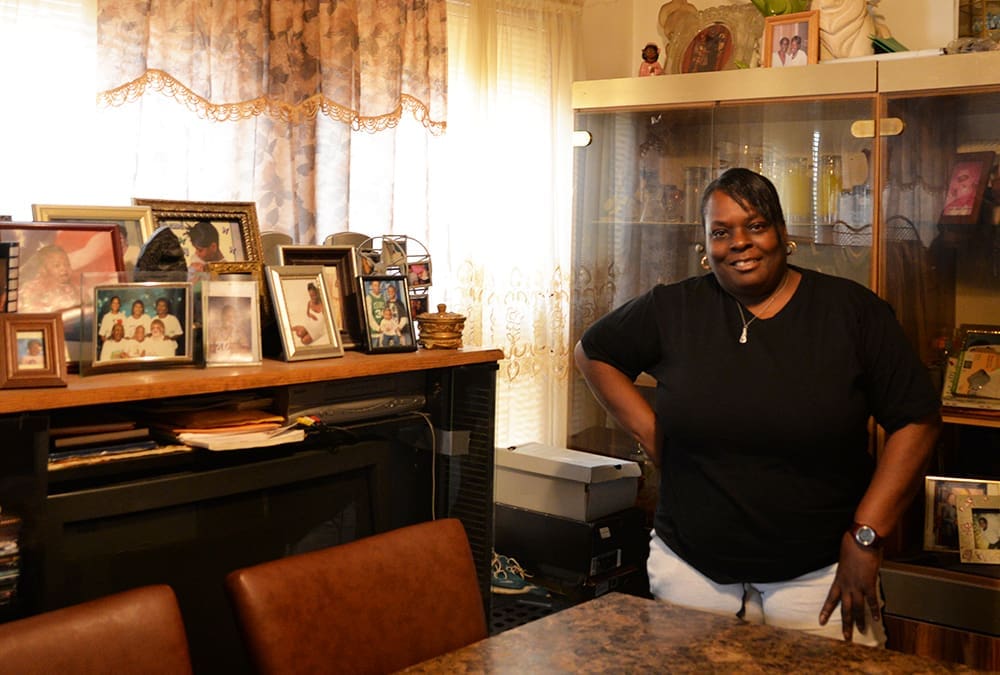 “I thank God for my mom, because most people come out and don’t have anywhere to go.”
Upon her release, Davis says that her family’s support was one of her greatest assets. Many detainees have nowhere to go when they are released and are therefore shuttled into rehabilitation centers or shelters. Davis is grateful that her family, particularly her mother, allowed her to move into their home, granting her more independence than she would have otherwise had. “I thank God for my mom, because most people come out and don’t have anywhere to go. But she gave me a place to stay, to eat, and helped me get myself back together.”
Davis understands how rare such unconditional support really is, especially for people living with HIV, and she believes her family’s unwavering commitment to her well-being is notable. “Some of the support groups I go to are used to talk about how people get treated because they’re HIV-positive,” Davis begins.
“Some people talk about how they have to use their own cup, plate, spoon at home because they’re HIV-positive. They call it something … stigma.”
Though Davis has experienced stigma in other aspects of her life, she says that her family has remained steady. When she was diagnosed, one of her daughters was with her, and she has continued to receive comfort from her parents and children since. “My family treats me the same. They never turned their back on me or nothing like that, no matter what I did, and I’m just thankful for that.”
“I had never heard of a corrections case manager before, but it’s just a blessing from God.”
While Davis is grateful for the solace of her family, she longs to regain her sense of agency, and her participation in AFC’s corrections case management program is helping her achieve that goal. The remnants of her independence sometimes haunt her, making her feel as if she is stagnant. “Even though my mom welcomes me here, I get overwhelmed sometimes, because I’m used to my own,” admits Darlene. “I lived in my own apartment before. I’m used to my own space, I had my own car, my own apartment. I always took care of my kids.”
Davis’ corrections case manager, Arlette Brooks through South Side Help Center, helps her connect with a number of resources, including medical and mental health services, transportation, and, most importantly for Davis, access to housing. “Arlette’s really nice, kind of like a big sister to me. She helps me out with a lot of things, bus cards, gift cards, and she’s trying to help me find an apartment and everything. Coming out of prison and not having any money, it’s really hard to find an apartment. I’m lucky to have Arlette to help me figure all of this out.”
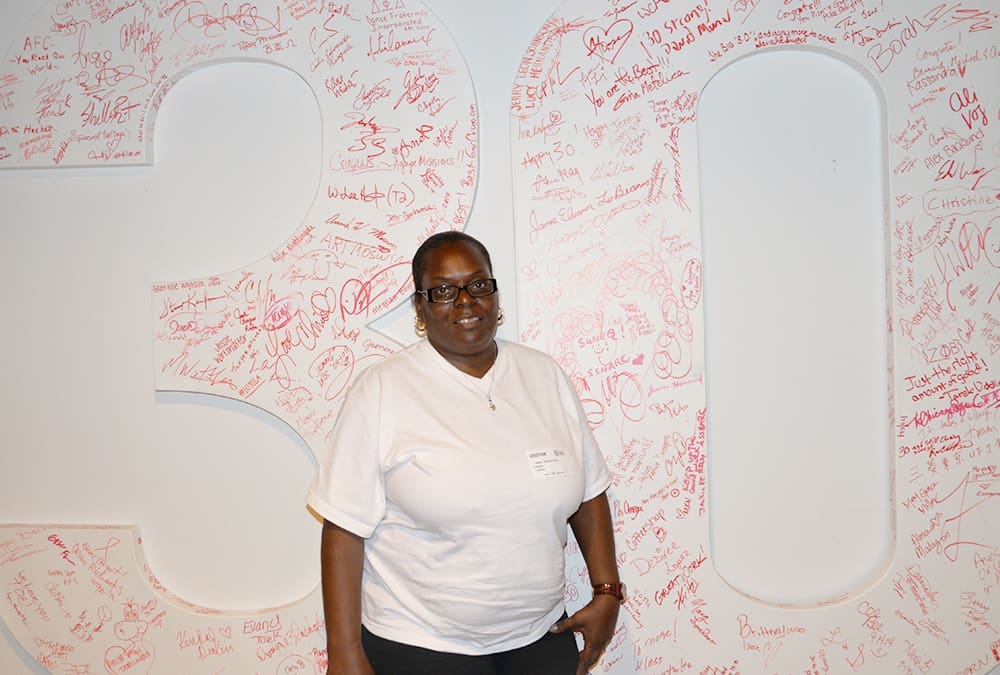 “I just try to stay focused. Stay with positive people.”
Davis was connected with Brooks upon her release, and their relationship has helped Davis remain hopeful despite setbacks. Brooks calls Davis a “trooper,” saying, “Darlene’s so willing to do the right thing now and not revert back to old habits.” Bragging on Davis a bit, Brooks talks about the change she’s seen in Davis since she met her last July. “She has been a soldier, actually, to go through what she’s been going through since she’s been released from jail. She’s been keeping up with her primary care, mental health appointments, and been going to a lot of support groups to keep herself going.”
“Homeless can be anything,” Davis says, “You can live in a house with your family and still be homeless. I think I’ve been homeless for a long time.”
With Brooks’ help, though, Davis is confident that she will soon have a place to call her own. “I can only take care of myself. I just try to stay focused. Stay with positive people. And stay with my home.”
Through case management, people like Davis find a fresh start
Davis’ story is an example of the ways in which HIV disproportionately affects certain populations, including Black women, people experiencing unstable housing and people who are incarcerated. In Chicago, four out of every five women living with HIV are Black. People who are incarcerated, particularly women experiencing incarceration, are also disproportionately affected by the epidemic compared with those who have not been incarcerated. Although incarcerated people with HIV can get consistent care while in prison, they can drop out of care when they return to the community; connecting with health insurance, a care provider and other medical needs can be challenging for someone starting afresh after incarceration.
AFC’s corrections case management program connects detainees living with HIV to a case manager who will support them as they emerge from prison or jail and connect them to the services they need to stabilize their lives. Since the program’s inception in 2006, 1,500 clients have received case management services as they transitioned from incarceration to a fresh start. Case management also reduces recidivism by 50%, as discovered by a 2010 study, saving the corrections system over $1 million a year.
The program is funded by the Illinois Department of Public Health and managed by the Public Health Institute of Metropolitan Chicago.
The AIDS Foundation of Chicago (AFC) offers our condolences, thoughts and prayers to the victims and families of last week’s hate crime and terrorist attack in Orlando. This was an attack that has resonated deeply within the LGBTQ community, and we join others who condemn this act of hatred.
While we are saddened by this violence, we are also angry.
We are angry about the continued impact that gun violence has on communities in the U.S. that face so many other health disparities — particularly communities of color, like the mostly Latinx brothers and sisters who were gunned down in Orlando.
Those systemic disparities include lack of access to HIV prevention, testing and treatment. Black communities in Chicago that are affected by the HIV epidemic are also severely affected by the rampant epidemic of gun violence. These communities are caught in the crossfire of drivers of the HIV epidemic, including institutional racism and divestment from communities.
As of June 16, 1,709 people have been shot in Chicago, according to the Chicago Tribune. That’s an average of 10 people shot every day.
People besieged by violence in their communities are deterred from seeking medical services, like HIV testing or treatment, especially when combined with the stigma HIV has in many communities. The fear of being shot and the grief and trauma of losing loved ones can overshadow all.
We are in the midst of a public health epidemic of gun violence, not just in Orlando and Chicago. Gun violence across this country, from the mass shootings that garner press attention to the violence that occurs every day in cities across the country, finds its roots in larger systemic issues including policies that disproportionally effect black and brown communities.
We pledge to lend our support and voices to the growing chorus demanding that we enact smarter and better laws to combat gun violence in our community — and to enforce those laws already on the books. The status quo is untenable; our elected leaders need to lead.
AFC believes we as Americans have the capacity and the will to enact positive change, especially in moments such as this where the alternative is to stand by as more Americans become victims of gun violence. Doing nothing is no longer a viable solution, and we look forward to being a part of the movement for smart, common-sense gun laws that will improve community health in Illinois and throughout the country.
by Dan Frey, Director of Government Relations
Just a quick update of the happenings in Springfield regarding state government since my last update early on May 31.
Substantive Bills
HB 6213, our MCO quality bill, was unanimously concurred with in the House on May 31, and thus passed both houses of the legislature. That bill, along with HB 4554 (mandated PrEP Medicaid coverage) and SB 2397 (Quality of Life Lottery fund extention) passed both houses unanimously but have yet to be sent to the Governor. The Governor will have 60 days to sign them once he has received those bills.
Budget Update
The General Assembly adjourned May 31 without having passed a budget for FY17 or a full budget for FY16. Moving forward, any legislation, including appropriations bills, will require a 3/5 super majority in each house (71 votes in the House, 36 votes in the Senate) until January 1 in order to pass.
- The House had passed legislation that funded state operations at the levels consistent with their budget passed last May (minus all items currently being covered by court orders and consent decrees). That legislation, SB 2048, came up for a vote in the Senate late on May 31 and failed to pass, receiving only 17 votes.
- The governor released a short-term budget proposal, HB 6585, on the morning of May 31, designed get the state through the election with at least some form of a budget in place. It was put on a bill that would require, at minimum, 6 days for the legislature to act, and thus did come up for a vote in either house that day. That bill is now being used as the basis of negotiations between Democrats and Republicans to find some sort of common ground before the end of the fiscal year on June 30.
- Speaker Madigan has scheduled the House to be in session every Wednesday through at least the end of June. Last Wednesday’s session day was cancelled, however. Speaker Madigan said this was to allow the working groups to continue their work on a compromise budget. Governor Rauner lambasted the Speaker and then claimed the he was “slow-walking” the process deliberately.
- Late Friday afternoon, Governor Rauner vetoed SB 2046, an appropriation bill that creates an FY16 budget for Human Services and Higher Education services that have been without appropriation authority for the duration of the budget impasse. This bill appropriates $11 million for Supportive Housing, $23 million for the HIV Lump Sum, and $1.25 million from the General Revenue Fund for the African American HIV/AIDS Response Act. It is as of yet unclear when or if the General Assembly will attempt to override this veto, but we urge the General Assembly to do so quickly so that these two sectors can finally receive promised funding for the current fiscal year.
- As of this writing, the Governor had also failed to act yet on SB 2038, an appropriations bill that used no General Revenue Funds and unanimously passed both houses with bipartisan support as a stopgap measure for the Human Services sector for FY16. It appropriated for the HIV Lump Sum $10,534,000, African American HIV/AIDS Response Act $572,500, and Supportive Housing $5,038,000 and $3,382,500. The Governor has previously made indications that he would veto this bill, but has yet to act upon that threat.
Up Next
It is as yet unclear if the House will convene as stated this Wednesday. Bi-partisan working groups continue to meet to attempt a compromise on at least a short-term budget. I will be sure to update you all on any new as it becomes available.
About the blog
BudgetWatch is a weekly update from the AIDS Foundation of Chicago’s on-the-ground team in Springfield about the state’s longstanding budget impasse. Follow along at aidschicago.org/budgetwatch.
by Malary Gregory
 Kasey White is a student and advocate for homeless youth in Chicago, specifically those who identify with the LGBTQ community. She has been featured in the documentary Homestretch, which followed three homeless youth living in Chicago as they navigated completing high school and building their futures. In 2014, she was awarded with the Windy City Times’ 30 Under 30 Award for her outstanding work as a homeless youth activist.
“The first time I ever experienced homelessness was with my family.”
While growing up on the South Side of Chicago, White’s family moved frequently, which began after her family was evicted from their home. White’s family, which included her mother, sister and brother, ended up staying with her father, and then a series of temporary places afterwards.
“Being homeless opened me up to a whole new level of consciousness,” remembered White. “I’ve learned that homelessness is a mental state, too, because you can be homeless living in a house, especially if you feel like you are unwanted or don’t belong.”
After moving out in her teens, White did her own couch surfing, stayed with her grandmother for about a year, and finally ended up in Teen Living Program (TLP), which provides homeless youth with emergency transitional housing. She found TLP through their street outreach program. After receiving services, White was interviewed on the spot and was eventually selected as a client. While living at TLP, she received therapy, healthy meals and other services. She gained community through interactions with other residents.
“Teen Living Program and other similar communities introduced me to a lot of people because they are community safe,” said White.
White recalls meeting people who have been emotionally abused, physically abused and sexually abused at TLP. Many needed to run away because their parents didn’t understand them, due to their sexual orientation, gender identity or pregnancy status. Although each client had a different walk of life, they all were there for a reason, which bonded them all as a community.
 Raising awareness and youth visibility
White’s journey to becoming an advocate for homeless youth began at TLP during an unexpected group client meeting.
“If you didn’t have work or school, you had to be a part of the meeting,” said White. “I remember someone coming out to say, ‘There’s these two white ladies; they are filmmakers from New York, and they want to find out about your stories.’”
White connected with filmmakers Anne de Mare and Kirsten Kelly, who told her that they loved the way she spoke. The two directors wanted to speak with Kasey one-on-one about her story.
“I didn’t mind because they weren’t prying into my business,” said White. “They were just genuinely there …They didn’t make me try to be something that I wasn’t or try to twist my words.”
White agreed to speak with the film-makers along with a couple of other clients. After having follow-up interview meetings with White, the two directors chose her as the star of their documentary movie, Homestretch.
After the release of the film, the cast had the opportunity to fly out to the Toronto Film Festival with the directors for a screening of the film.
“It was cool seeing it on the big screen completely finished,” recalled White. “The crowd’s reaction…you could literally hear the empathy that they had. You could hear their reactions to the scenes in the movie.”
Homestretch continued to gain recognition and became a powerful tool to understand the experience of homeless LGBTQ, Black and Hispanic youth.

Translating fame to activism
At first, White was nervous about all the attention she was receiving, but as she did more public speaking, the easier it became. White continued to participate in panels for the movie across the U.S. where she shared her experiences. White didn’t see herself as an advocate until she was nominated for The Windy City Times’ 30 Under 30 award.
After the 30 Under 30 awards, White and the executive editor at Windy City Times, Tracy Baim, connected. White continued to do panels with Baim, which led to Baim growing a liking to Kasey’s spirit and energy. “Tracy told me herself that she sees a young her in me. I think that’s cool because Tracy is a driving force within the LGBTQ community.” Baim later asked White to be a part of Pride Action Tank, a project of the AIDS Foundation of Chicago (AFC).
After joining Pride Action Tank, Tracy asked Kasey to join her meetings to discuss the Tiny Home Competition and the designs featured in the contest. Baim directed a few of the designers to Kasey for advice on designing homes; she recommended proper protection from weather, soundproofing walls and proper heat installation. White also proposed that vacant lots in various parts of the city be cleaned and used for Tiny Home communities.
White’s experience as a homeless youth advocate in Chicago has helped shape her response to the Illinois budget impasse crisis and how it negatively impacts youth experiencing homelessness.
“The Illinois budget impasse is causing a lot of programs to let go a lot of staff, many of whom are advocates who are on the ground working for the homeless youth cause,” noted White. “Vital services are being cut from programs such as metal and dental health, supportive housing, CTA cards and cleaning supplies. These organizations are staying afloat by paying staff with cash reserves. This situation is critical.”
Currently, White lives in an apartment through the organization, La Casa Norte. She is a writing contributor for Windy City Times, and works with Pride Action Tank. Recently, White delivered an inspiring, moving and informative speech at the Tiny Home Summit. She continues to raise awareness and advocate for youth experiencing homelessness.
For more information about the various resources mentioned in this story, click below.
http://www.lacasanorte.org/what-we-do/
http://proudyouth.com/2015/11/18/kasey-white-youth-homelessness-advocate/
http://chicagotinyhomes.com/speaker-biographies/
http://www.homestretchdoc.com/about-the-film/
http://prideactiontank.org/projects/tiny-home-summit/
http://www.tinyhomeschicago.org/about-the-jury.html
http://www.windycitymediagroup.com/lgbt/Award-to-honor-under-30s-seeks-nominations/46289.html