CHICAGO – On Monday evening, January 27, AIDS Foundation Chicago (AFC) and other agencies across Illinois and the nation were blocked without notice from accessing federal housing funding that pays for rents and services for people living with HIV and who have experienced homelessness. The Trump administration has frozen all federal grants, a freeze that poses an immediate and dire threat to vital services for people living with HIV and previous experience of homelessness, including over 8,000 people a year served by AFC.

UPDATE: As of around 12 noon on January 29, the Trump administration rescinded the memo ordering the broad freeze.  We are thankful to the nearly 500 advocates who took action through our campaign to contact elected officials and urge them to oppose the freeze.  However, harmful Executive Orders from the Trump Administration that justified the freeze remain in effect.  While AFC and other agencies are now able to access federal funding, and we celebrate this as a win, we know this will not be the last attempt by the Trump administration to cut funding that supports vital services for our communities, and we know there are many more fights to come.  Text AFC to 40649 to subscribe to text alerts so you can take action when the next need arises.

AFC provides housing to over 1,300 households, including over 1,000 people living with HIV.  In addition, AFC provides case management to over 6,000 people a year living with HIV to connect them to services, including life-saving HIV medications, medical care, housing, mental health and substance use treatment.

We ask you to stand with us and urge your members of Congress to fight this unconstitutional power grab through our campaign here.

“AFC will do everything in our power to stand up to these bullying tactics,” said John Peller, President & CEO. “Our February rent payments have already gone to landlords, but AFC pays over $1 million a month in rents for clients. Without access to promised reimbursement from our federal funders, we cannot afford to pay rents for long.”

“This order is likely illegal and is sure to be challenged in court,” continued Peller. “The president cannot unilaterally suspend programs or funding that Congress has enacted. This is another attempt by Donald Trump and his allies to distract us while he works on his true aim – dismantling federal programs like Medicaid that provide life-saving health services for people who are poor, living with chronic health conditions, children and seniors in order to provide tax cuts for the ultra rich.”

Housing Opportunities for Persons with AIDS (HOPWA) and the Ryan White program are essential federally funded public health program for people living with HIV.  These programs provide access to lifesaving services including housing and case management that enable people living with HIV to remain connected to care, which allows them to live long, healthy lives, and reduces transmission of HIV.  Without access to care and HIV medications, people living with HIV will see their viral load spike, leading to hospitalizations and serious health conditions.  People with HIV with uncontrolled viral loads are more likely to transmit HIV to their sex partners, leading to an increase in HIV cases in the community.  Without HOPWA and the Ryan White program, people will lose their homes, and hospitals and crisis systems will see increased strain and incur greater costs as people become forced to rely on emergency medical services.  This funding is not only critical to ensuring the health and safety of people living with HIV, but contributes to the health and safety of our wider community.

Beyond the impact to people living with and vulnerable to HIV, President Trump’s freeze usurps Congress’ constitutional power of the purse, and stands to hurt all districts, Republican and Democratic alike. All members of Congress must stand up and protect our communities from irreparable harm.

Take action here.
Sign up for texts from AFC to get policy and action alerts.
As we’ve done for the past 40 years, AIDS Foundation Chicago (AFC) continues our lifesaving work to end the HIV epidemic in Illinois and ensure everyone has a home in Chicago and beyond.

With the Trump administration’s executive orders this week, we are witnessing the first set of attacks to the dignity and safety of a wide swath of our community members, our family, and our friends. Along with our federal, state and local partners, we are untangling the implications of these executive orders and better understanding what is actually possible under the U.S. Constitution and our country’s existing laws.  We stand ready and energized to fight back against any and all attacks on people living with or vulnerable to HIV, unhoused people, LGBTQ people, cis and transgender women, Black, Latino/a/e/x, Indigenous and other People of Color, and the immigrant community.

But make no mistake, these attacks, including limiting recognition of gender to male and female as federal policy, ending birthright citizenship, removing any mention of built-in racial inequities in our country’s policies and systems due to white supremacist ideology, and more, are all designed to distract our collective attention from the Trump administration and Republican-controlled Congress’ main upcoming agenda: massive tax cuts for the wealthy and big corporations, and draconian cuts to health coverage, including Medicaid, food assistance, and income assistance for millions of people.

In the coming days and weeks, generating strong and swift pushback against the Trump administration and Congressional Republicans’ reckless budget and appropriations proposals will be critical to our ultimate collective triumph. Stand with us today by sharing accurate and up-to-date information and lifting up your voice with us in advocacy. Join AFC’s Mobile Action Network to get updates and action alerts to reach out to your elected officials.
In 2024, there was an unprecedented 18% increase in people experiencing homelessness across the country, and a much greater increase in Chicago. A lack of affordable housing, a rise in housing costs, and inflation are driving this surge in homelessness, which disproportionately impacts Black and Latine communities and deepens racial disparities in health and quality of life.

The incoming presidential administration has proposed the criminalization of homelessness, substance use screening requirements and mandatory mental health treatment for housing eligibility - none of which are evidence-based or fiscally responsible approaches to the housing crisis.

If the incoming administration is concerned about public safety and reducing public spending, we must invest in housing for our neighbors. Investing in affordable housing through permanent supportive housing will not only improve quality of life and community health and safety but will also reduce overall spending on jails, hospitals, shelters, and other crisis systems nationwide.

As we work with our federal partners to advocate for long-term housing solutions nationally, we must also continue to work toward local solutions to the housing crisis here in Chicago and in Illinois. Through AFC and CHH’s work, we know that a housing-first approach is the most impactful and cost-effective way to end homelessness and create safer and healthier communities. When people have stable housing, they can prioritize stability in other areas of life, such as reengaging in health care and supportive services, staying enrolled in school, finding or maintaining gainful employment, supporting their families, and engaging with their communities.

We urgently need support for housing-first programs, like the Flexible Housing Pool at the local level and the Housing Opportunities for Persons with AIDS Program (HOPWA) at the federal level. These programs are proven to increase quality of life, keep people stably housed, and reduce costs to public crisis systems. We must work together to end the housing crisis and homelessness, with robust support from all levels of government and in collaboration with our federal, state, and local partners.
The Center for Housing and Health (CHH) is a subsidiary of AIDS Foundation Chicago (AFC). Operating as a separate 501 (c) 3 nonprofit while sharing some core operations, CHH works to support a critical component of AFC’s mission: ending homelessness.
The City of Chicago has released its budget for Fiscal Year 2025, led by Mayor Brandon Johnson. As a leader of the Flexible Housing Pool program (FHP), the City of Chicago was the first and has been the program’s largest funder. Since 2020, the City has funded FHP at $6 million annually. Despite our best efforts to increase the City’s contribution to the FHP to $11.2 million, including tremendous advocacy from staff, FHP program participants, and advocates citywide, the City has chosen to continue flat funding FHP at $6 million for FY25 – essentially a cut due to inflation and rising housing costs.

FHP is a project that serves Chicagoans experiencing homelessness with a focus on those who cycle through public crisis systems such as emergency rooms, jails, gun violence programs, and hospitals. FHP currently serves over 1,400 participants, 500 of whom are children. We are grateful for the expressed support our aldermanic allies and Mayor’s office have shown for Chicagoans experiencing homelessness, but we are disappointed to have not received the necessary increase to sustainably fund the project at $11.2 million.

While we understand the City faced a budget deficit of $1 billion, the City also faced a sharp increase in people experiencing homelessness due to rising housing costs, COVID funding and supports coming to an end, and an influx of new arrivals who need and deserve housing supports. The $11.2 million in funding we have advocated for would have sustained current program participants and ensured that they remain stably housed while receiving essential wraparound services. The flat funding of $6 million has now put our program participants at risk of returning to homelessness.

We are prepared to continue our advocacy, in partnership with our aldermanic allies and the Johnson administration, to bring an end to homelessness in the City of Chicago and to ensure that our program participants will remain safely and stably housed. Join us in our continued funding advocacy for the FHP project by joining our Mobile Action Network, https://p2a.co/kpckivz.
Today is World AIDS Day.  Every year on December 1 we reflect on the progress of our movement, remember loved ones we have lost, and lift up those living with HIV and AIDS today.  For 40 years, AIDS Foundation Chicago has been fighting for and serving the HIV community.  We are grateful to our steadfast supporters like you who have kept us pushing forward.

On this World AIDS Day, we are pleased to invite you to AFC40, a gala commemorating 40 years of service to the HIV community from AIDS Foundation Chicago, taking place Saturday, April 5, at the Geraghty.

Tickets are available now.

At AFC40, we will also recognize the immense contributions of two long-time supporters of our work to end the HIV epidemic:

Mr. Craig Johnson, who will receive the Lori Kaufman Volunteer Award, and ITW, who will receive the Corporate Impact Award.
Craig Johnson
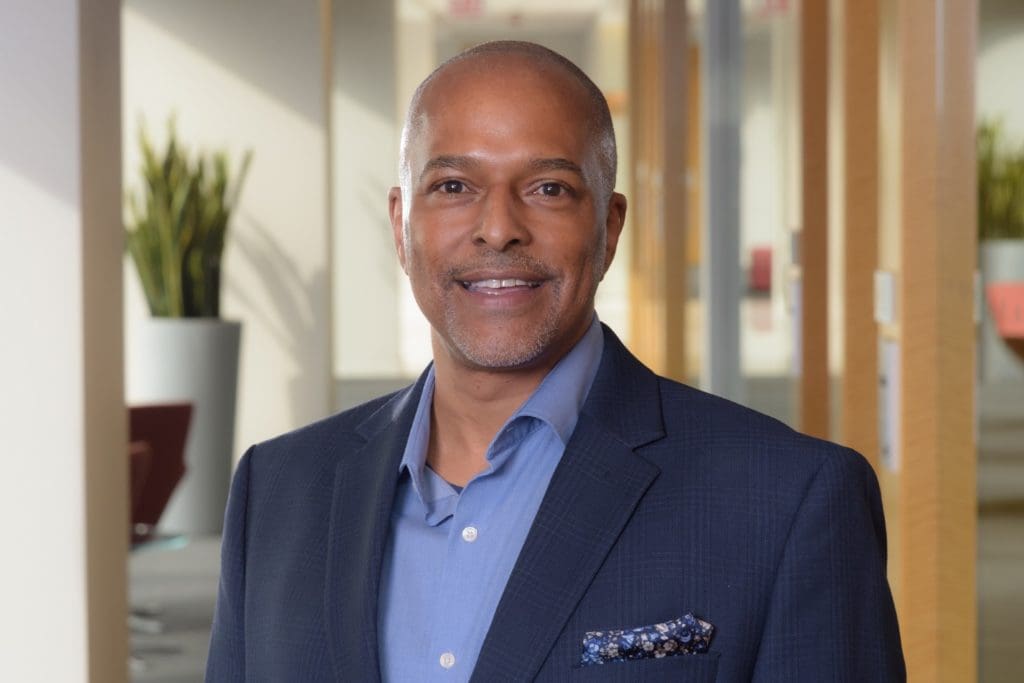
AFC is thrilled to honor Craig's extraordinary leadership at AFC40. Craig is the Senior Program Officer for the American Medical Association (AMA) Foundation. In this role, he oversees a portfolio of charitable initiatives that include the foundation’s Physicians of Tomorrow Scholarships, the Excellence in Medicine Awards, two Leadership Development Institute cohorts for medical trainees, as well as an LGBTQ Health Fellowship consortium. He directs various grant-funded projects that support health equity, restorative justice and workforce diversity in medicine. Craig was a member of AFC's Board of Directors from 2016-2022. Soon after serving as chair of the Policy & Advocacy Committee, he was elected Vice Chair of the board, and he served as Board Chair from 2020 -2022. He led AFC through the COVID pandemic and the national racial reckoning that followed and was a stabilizing voice during a turbulent era. Craig provided board leadership as AFC developed its first-ever racial equity action plan, which is now in its fourth year.  He joined AFC’s Honorary Board in 2023.

Before joining the AMA, Craig held positions with Rush University Medical Center, the American Bar Association, the University of Chicago Booth School of Business, and George Washington University. Craig has served as Governing Board chair and Honorary Board member of AIDS Foundation Chicago, and led the organization through the COVID-19 pandemic.

Diagnosed in 2004 with HIV, Craig’s professional career in the HIV sector began as a research assistant and community health promoter in the Infectious Diseases Unit at Rush University Medical Center. At Rush, Craig developed communications strategies to counteract health disparities and encourage more underrepresented populations to participate in HIV clinical trials.

He is a national leader in LGBTQ+ healthcare, HIV care, and health equity, and has held numerous advisory, advocacy, and volunteer charitable board roles for nonprofit, civic, and governmental organizations in the field. He has been recognized as a “Notable LGBTQ Executive” by Crain’s Chicago Business, and is a recipient of the PrideIndex.com Esteem Award for outstanding community service. He is also a former diversity scholar with the Association Forum of Chicago.

Craig is a native of Chicago’s South Side and graduated from Whitney M. Young Magnet High School and Antioch College. Craig is the proud father of an adult daughter, and he has five godchildren.

Program and Policy Priorities during Craig's tenure on the AFC Board:
- Adoption of an HIV decriminalization law in Illinois
- Promoting Getting to Zero Illinois - a plan to end the HIV epidemic in IL by 2030
- Increasing access to PrEP and PEP
- Improving sexual orientation and gender identity data collection
- Increasing state and federal funding for HIV and housing
- Increasing awareness of housing as a determinant of health, and supporting housing programs at AFC and its subsidiary the Center for Housing and Health
- Improving HIV/STI and LGBTQ+ cultural competency and humility training for providers
- Participating in Lighthouse Foundation’s Black Queer Equity Index project
- Expanding fundraising efforts and capacity-building support for BIPOC-led, community-based organizations through the Learning Circle Collaborative
- Reconciling grant payments from the City of Chicago Department of Public Health and the African American HIV/AIDS Response Fund (AAHARF) in the Illinois Assembly
- Advancing health equity through enterprise-wide strategic planning and prioritization
- Increasing strategic engagement between the Governing Board and the Associate Board
ITW

AFC is proud to honor ITW with the Corporate Impact Award. ITW is a Fortune 300 global multi-industrial manufacturing leader with 45,000 dedicated colleagues who thrive in the company's decentralized, entrepreneurial culture. As a member of AFC's Corporate Partnership Program, ITW provides over $25,000 annually through sponsorship of World of Chocolate, AIDS Run & Walk Chicago, and a generous employee gift matching benefit, which provides eligible employees a 3 to 1 match for up to $5,000 to qualified organizations. ITW also encourages volunteerism and charitable giving by providing $15 per hour to qualified organizations for each hour (up to 100 hours) where its employees volunteer. Recently, ITW's inclusive workplace culture was recognized by the Human Rights Campaign, who awarded them the #Equality100 Award for a perfect score on the Corporate Equality Index. For years, ITW has been an enthusiastic and steadfast partner in advancing AFC’s mission and LGBTQ+ causes. AFC is thrilled to recognize ITW for their immense generosity and longstanding support of the HIV community.
Event Details

At this very special event, we will join together in our shared purpose with food and libations, a paddle raise, entertainment, and remarks from our leaders.
AFC40 will feature a live auction including a six-night private charter cruise in Burgundy, France for up to six people on board Hotel Barge Elisabeth: Donated by its owners, David Wallace and Matthew Willis.
AFC40 Host Committee
We are grateful for the support of the AFC40 Host Committee.
Craig C. Andree and Frank Quinn
Russ Bauer
Geoffrey and Joshua Brown
Cecil Dearborne
The Friedman Family
Robert and Eudice Fogel
Yusef Garcia and Adam Christensen
Greg Harris
Craig W. Johnson
Lori and Steve Kaufman
Franco La Marca
Janet Lin
Condon McGlothlen and Victor Saporta
Mr. Gary F. Metzner and Dr. Scott Johnson
Tim Mullet
John Peller and David Jablonowski
Philip Pierce and Anthony Schreiber
Markus Pitchford
Mary Pounder
Sharon Putz, Jenny Kopach & Family
Julie Scott and Susan Betteridge
Paul Semper and Eric Medina
Renslow Sherer
Thomas Sinkovic
Patrick D. Strieck and Brian J. Fanning
Tom Tunney
AFC40 Sponsors
This event is further supported by our corporate sponsors. We are thankful for their generous support.

AIDS Foundation Chicago is proud to announce the return of Meg McElroy to our team as Director of Special Projects for Getting to Zero Illinois (GTZ-IL).  An experienced project manager and community engagement and coalition builder, Meg will lead AFC’s work on the statewide initiative to end the HIV epidemic in Illinois, collaborating with cross-sector stakeholders to implement the recently released GTZ-IL Plan 2.0.

“We are thrilled to have Meg's leadership, talent, and expertise back at AFC, leading the Getting to Zero Illinois (GTZ-IL) initiative that she helped shape from the very beginning,” said Nadeen Israel, Senior Vice President for Policy & Advocacy at AFC.

In her new role, Meg will focus on advancing equitable, systems-level strategies across the state, while elevating and prioritizing the voices and experiences of those most impacted by the HIV epidemic in Illinois.  Getting to Zero Illinois proposes actionable objectives organized by overarching pathways that provide practical guidance for municipalities, healthcare providers, nonprofits and other stakeholders to work together toward ending the epidemic.  The 2.0 version of the plan was developed with input from people with lived experience of HIV first and foremost.

“Being back with AFC feels like a homecoming,” she said, emphasizing a shared dedication to a people-first approach.  “The Getting to Zero initiative isn’t just about data sets- it is about people. I’m committed to ensuring that the voices of people living with HIV and those vulnerable to HIV are at the forefront of every decision we make.”

Previously, Meg served as the Senior Program Director for the Advocacy Department at the ACLU of Illinois, where she worked to create and execute a robust policy agenda with her team. She prioritized coalition-building to advance legislative priorities for communities most impacted by the organization’s initiatives. Before her time at the ACLU, Meg was the Manager of Policy & Advocacy at AFC, where she played a key role in driving the organization’s public health policy agenda. In this capacity Meg worked to lobby and advance legislation, lead coalitions, as well as contribute to special projects, including the statewide Getting to Zero Illinois initiative. Meg is excited to return to the GTZ project in this next chapter.

“One of the things I am most passionate about is building bridges across Illinois, connecting with communities and stakeholders to drive a more equitable and accessible approach to HIV treatment and prevention,” Meg says. “GTZ gives us the chance to reshape the future of HIV in Illinois, and I’m thrilled to be part of that journey.”

Meg’s professional background is rooted in clinical practice and advocacy, with extensive experience as a clinician and senior administrator focused on maternal and infant health outcomes, LGBTQIA+ wellbeing, and gender justice and equity. She holds a Master’s in Clinical Psychology from the Chicago School of Professional Psychology and a BA in Social Work with a Minor in Women’s Studies from Lewis University. Throughout her career, Meg has remained dedicated to advancing equitable health policies and amplifying the voices of those most affected by public health and social justice issues.

Meg’s advocacy is deeply rooted in her family and her experiences as a queer partner and parent. In her spare time, Meg can be found outdoors, regardless of the weather, with her wife and 4-year-old. She enjoys walking around her neighborhood, hiking, and camping in the woods in equal measure. She mentions gathering family and friends around her dining table as a favorite activity, a ritual that not only gives her an excuse to cook and try new foods, but that inspires her dedication to building inclusive and supportive communities which prioritize belonging.

To follow along with Meg’s work with Getting to Zero Illinois, you can sign up for the GTZ mailing list and Policy & Advocacy mailing lists.  To take action alongside AFC Policy & Advocacy, you can subscribe to our text alerts.
Yesterday’s budget address from the Johnson administration laid out a path forward for Chicago in 2025 during a difficult budget year. While we applaud the increased investments toward creating a unified shelter system through the One System Initiative and other homelessness investments, we are deeply concerned about inadequate funding for the Flexible Housing Pool (FHP) – a program CHH administers to serve people experiencing homelessness who interact with public crisis systems. Inadequate funding could result in stably housed Chicagoans losing their housing and returning to homelessness. The Flexible Housing Pool (FHP) urgently requires a $5.2 million increase in city funding to maintain the housing and wraparound supportive services for its current participants. Without this $5.2 million funding increase, 1,400 FHP participants, 500 of whom are children, could risk returning to homelessness. We call on the Chicago City Council and the Johnson administration to work together to fully fund the Flexible Housing Pool at $11.2 million, living up to their promise of ensuring every Chicagoan has the opportunity to thrive. Add your voice here.
The Flexible Housing Pool provides housing along with supportive services like case management, mental health care, and employment assistance to help people transition into stable housing and stay stably housed for the long term by developing careers and a health care plan. FHP is funded through a public-private partnership across Cook County, and benefits all Chicagoans by reducing the impact of homelessness on the public systems that keep us all safe and healthy, like hospitals. Importantly, one of the focus areas is young people at the highest risk of gun violence who experience homelessness, which has a direct impact on the safety of our communities and overall public health. The program is transformative for participants, who not only gain housing but see significant reductions in mortality, hospital visits, and criminal legal system involvement upon entering the program.
FHP was established in 2018, and the programs were funded based on 2018 housing price and service cost data. The costs of all goods and services have increased due to inflation. Since 2018, the cost of a family apartment in Chicagoland has risen nearly 50%. Service provider salaries have increased to address inequity and to keep up with inflation. To address this, and to keep the Flexible Housing Pool participants in housing, the program requires additional funds. Without additional funding, a worst-case scenario could be that participants lose housing altogether.
Shelter is critical, but shelter is not housing. Housing means a stable home, and it is a human right; a shelter is a temporary place to stay. We must not confuse one with the other, and we must adequately fund the Flexible Housing Pool in order to show our commitment to housing for all Chicagoans.
Gearing up for this year’s AIDS Run & Walk, AFC and our partners are coming together in the spirit of our theme, “Show Up, Show Out.” AIDS Run & Walk, now in its 33rd year, brings out people from all walks of life to raise awareness and funds in support of our fight to end the HIV epidemic and homelessness. If you haven’t registered yet, you can sign up online. With thousands of participants walking, running, and rolling each year, this event is a powerful example of community-driven support, especially through the efforts of our CommunityDirect Partners (CDPs).
CommunityDirect Partners are Chicago-based organizations working in the HIV field or in support of social determinants of health that participate in the AIDS Run & Walk to raise funds for their own programs and services. Because ending the HIV epidemic and homelessness will require many hands pulling together to improve quality of life and dismantle barriers to accessing care and services, supporting our CDPs furthers AFC’s own vision and values. This unique approach allows CDPs to retain 90% of the funds they raise at AIDS Run & Walk. Since 2005, AFC has returned over $2.5 million to these service providers, with more than 30 partners currently participating. The impact is profound—50% of fundraising and participants at AIDS Run & Walk are tied to these community-rooted organizations, making the event a true example of fundraising by the people, for the people.
Michael Keating, Development Communications Manager at AFC, says of CommunityDirect, “Within the fight to end the HIV/AIDS epidemic, no one can do it alone. We have 30+ CommunityDirect Partners, each having their own specialties and focus. The beauty of working with these partners is that funds go directly to the people we serve. It’s decentralized community fundraising, from us by us, so we are not beholden to a corporate quota or bottom line.”
Spotlight on Black Alphabet: A New CommunityDirect Partner
One of our newest CDPs, Black Alphabet, began as a conversation about the lack of exposure for films exploring the Black LGBTQ experience. From this discussion, the Black Alphabet Film Festival (BAFF) was born, Chicago’s first Black LGBTQ film festival. Since its inception in 2013, BAFF has worked tirelessly to empower Black LGBTQ communities globally by sharing their stories, creating a legacy that honors the past, highlights the present, and nurtures the future.
Black Alphabet expanded its mission to include other creative expressions and advocacy efforts. They now focus on promoting social equity through media and the arts, addressing issues disproportionately impacting the Black LGBTQ+ community. By participating in AIDS Run & Walk, Black Alphabet is not only raising funds to support its programs, but also amplifying the voices and stories of a community that is often marginalized.
Adam McMath of Black Alphabet shared, “Black Alphabet appreciates being a part of AIDS Run & Walk as an arts and culture organization that uses our work to address things that disproportionately impact the community that we serve – Black LGBTQ+ people and our allies. We are happy that AFC supports our approach to HIV care and prevention. AFC has been a great coach and partner in our approach to the work.”
Transforming Reentry Services: A Long-Time CommunityDirect Partner
Transforming Reentry Services (TRS), another CDP, has been a steadfast partner in the AIDS Run & Walk for 15 years. Founded and incorporated by Black women and incarcerated individuals, TRS works to create an equitable future for re-entry communities. They provide comprehensive services to individuals transitioning from incarceration, using a client-centered and culturally competent approach.
TRS’s work is multifaceted, addressing health and wellness, social economic recovery, prison advocacy, capacity building, and international programs. Their goal is to ensure that returning citizens have access to the resources and support they need to rebuild their lives and re-integrate into their communities successfully.
A representative from TRS shared, “Our participation in the AIDS Run & Walk goes beyond fundraising; it’s about standing with our community and advocating for those whose voices are often silenced. The funds we raise allow us to continue providing critical services that help individuals transition from behind the wall to a thriving life in the community.”
The Power of Community Fundraising
AIDS Run & Walk Chicago represents the collective efforts of our community to build support and awareness. Brionna Sangas, a Community Coordinator with Transforming Reentry Services, “Fundraising can be a challenge, but I’ve found that real, honest conversations help people understand our mission. It’s easier to start with a general post on social media and then connect directly with family and friends. From there, I ask them to spread the word within their circles. Sometimes, they come back around, and that’s when I know I’m raising awareness.”
With September 28, 2024, nearing, we invite everyone to Show Up and Show Out at Soldier Field. Join us on this important day—registration begins at 9:00 AM, with the run starting at 10:35 AM and the walk at 10:50 AM. Your participation directly supports AFC and our CommunityDirect Partners, making a lasting impact in the fight against HIV/AIDS.
Together at AIDS Run & Walk, we can show up, show out, and make a difference.
Last month, AIDS Foundation Chicago (AFC) and Northwestern University’s Feinberg School of Medicine collaborated to host a Public Health Boot Camp from July 21-25.  Held at the Feinberg School, the boot camp was organized with the goal to nurture emerging public health leaders and foment innovative solutions to systemic public health issues. Dr. Cynthia Tucker, Senior VP of Community Partnerships & Special Projects at AFC, Tamika Foust, Director of Capacity Building & Workforce Development at AFC, Dr. Leah Neubauer of Northwestern University, Dr. Gregory Phillips of Northwestern University, and Riley Hause of Northwestern University organized the week-long learning experience. The agenda was packed with enriching sessions led by public health luminaries such as Dr. Gary Harper, Dr. Cory Bradley, Dr. Margaret Danilovich, and Jim Pickett. Fellows delved into topics ranging from public health fundamentals to advanced community-based and community-engaged research. They also had the unique opportunity to learn from PHBC alumni like Pedro Serano, Jill Wolf, Kenneth Burnett, and Jill Dispenza, who shared their invaluable experiences and insights.

Participants were tasked with working on an individual project, culminating in final day presentations. Ten Fellows, representing seven organizations across the Chicagoland area, showcased their Program Innovation and Action Plans. These plans were designed to address programmatic and systemic issues within the public healthcare system.

“We have individuals doing projects on PrEP implementation, HIV testing, we have a very unique and innovated project on kink and making sure people understand sexual health, we also have individuals working on bills and policy, making sure that housing is available, making sure there are rights in programs for individuals of transgender experience, re-entry work, a real variety,” said Dr. Tucker of AFC.

Among the Fellows were two AFC staff: Housing Policy & Advocacy Manager Dominique Chew and Community Partnerships & Special Projects staff member Carla Davis. Carla Davis was further honored by a vote from her peers with the Christina Santiago Award, a testament to her dedication and impact. The award was named for the late Christina Santiago, an emerging leader at Howard Brown Health who was tragically killed at age 29 due to severe weather at an outdoor concert, and whose legacy of innovation continues to inspire public health practice in Chicago.

The boot camp acts as an incubator, helping young leaders design programs with expert guidance that are ready to be implemented in the real world. “They come in with an idea, and we’ve been able to develop that idea into something they can take when they leave here and actually begin,” said Dr. Tucker.

Participant Patricia Braboy of the Chicago Center for HIV Elimination said of her project and her experience at the boot camp, “My project is The Black Kink Experience, and so I want to survey plus-sized black women in the kink community to enhance their sexual health education, about consent, and basic sexual health needs. And one takeaway from this is confidence. I’ve had a lot of imposter syndrome, like I don’t fit in the space where I work, but I do, and I have a lot of experience. I’ve been called bold and an expert, and I never felt like I was that, but this has really given me the confidence and I want to apply for a Master’s program.”

The experience is thoroughly collaborative. Information flows between participants and experts to inspire new ideas and refine existing approaches. The boot camp proved to be a valuable experience for the organizers as well, who were able to learn from people who are doing work out in the community. “I’m just really interested in knowing and understanding what continues to drive the people who are in this industry and in this field,” said Tamika Faust of AFC. “ I want to know and understand what I need to do to make sure I’m bringing about programs that help the people who are actually on the ground doing the work.”

Photos from the Public Health Boot Camp are available here.
The Center for Housing and Health (CHH), dedicated to bridging the housing and healthcare systems to improve the lives of Chicagoans experiencing homelessness, is debuting its first official set of policy priorities. Developed by people with lived experience of homelessness, coalition partners, and Center staff, including Housing Policy & Advocacy Manager Dominique Chew, the priorities outline support for city and statewide budget and legislative actions that would improve health and housing outcomes for people experiencing homelessness, housing instability, and chronic health conditions.Back to top
CHH is a subsidiary nonprofit of AIDS Foundation Chicago (AFC). Operating as a separate 501(c)3 nonprofit while sharing some core operations, CHH is dedicated to supporting a critical element of AFC’s mission: ending homelessness. Because people who experience homelessness are more likely to receive an HIV diagnosis in their lifetimes, HIV and homelessness are considered “syndemic,” meaning conditions occurring in tandem due to structural factors that combine to worsen health outcomes. CHH operates to reduce homelessness’ impact on crisis systems like emergency rooms and rehabilitation centers, understanding that housing is a primary, if not the primary, social determinant of health. Since its inception, CHH has been growing rapidly and is now one of Chicago’s leading providers of housing for people and families with children. This first expansion into the policy and advocacy space comes at a critical time for people experiencing homelessness, in light of the recent Supreme Court ruling enabling criminalization of sleeping outside.
The CHH policy priorities were developed with people with lived experience at the center of the process, which began with an “Ask & Listen” phase starting in early 2024. CHH consulted with multiple advisory boards consisting of members with lived experience, including youth, as well as their governing board to develop the policy priorities. Listening sessions lasted approximately one hour each, and participants responded to focus group-style discussion questions about challenges that people experiencing homelessness and housing instability face in achieving their best health, challenges to accessing and maintaining stable housing, and solutions to these challenges.
CHH also conducted a state-wide, online, anonymous survey where respondents answered similar questions and could elect to provide demographic data. Read responses from the focus groups and statewide survey. CHH reviewed the responses and data and took stock of already existing policies or work being done in the housing advocacy space. From there, they determined the following priorities. Read the detailed policies below, or download and share.
Illinois
SB2158 – Stop the Revolving Door from Re-Entry to Homelessness to Prison
Housing is the basis for stability and success, but current Illinois registry and housing banishment laws systematically displace, exclude and reincarcerate people – disproportionately Black men – with past convictions, while failing to support survivors. CHH is proud to work alongside The Chicago 400 to support SB2158, legislation that would reduce housing banishment zones from 500 to 250 feet, allow Illinoisans experiencing homelessness to register at police stations annually or quarterly (like housed people do) rather than weekly, and shrink the registry footprint by reducing failure to register penalties from a felony to a misdemeanor.
Medicaid 1115 Waiver – Behavioral Health Transformation
The Illinois Department of Healthcare and Family Services (HFS) application to the federal Centers for Medicare and Medicaid Services (CMS) to extend by five years an existing 1115 Medicaid Waiver-Behavioral Health Transformation has been approved. HFS applied for this five-year extension to provide additional services not yet covered under Illinois’ Medicaid or Children’s Health Insurance Program (CHIP) program. Three examples of the additional service categories in the 1115 Waiver include housing support, employment assistance, and services for people returning from prison or jail. CHH will advocate for full and equitable implementation of the 1115 Waiver to ensure that Illinoisans enrolled in Medicaid who are living with chronic health conditions, experiencing homelessness or housing instability, have experience with the criminal legal system, and/or need employment assistance will benefit from these additional services and have a better opportunity to achieve their best health. One focus of CHH’s work will be to advocate for Medicaid to adopt streamlined billing and reimbursement systems for supportive housing services.
Illinois State Budget - Ending homelessness for people living with chronic health conditions, including mental health conditions, substance use disorders, or HIV
Housing and health are deeply interconnected. In coalition with our organizational partners, CHH will advocate for increased state funding for housing and supportive services for people experiencing homelessness and housing instability, who are also living with chronic health conditions, including mental health conditions, substance use disorder and HIV. Permanent supportive housing - affordable housing coupled with supportive services - is a model proven to keep individuals and families sustainably housed for the long-term. Along with our partners, CHH will also work to ensure the timely allocation and spending of these funds by state agencies, with special priority on getting money to the state’s permanent supportive housing providers to ensure that people living with chronic health conditions can lead their healthiest lives.
City of Chicago
City Budget - Ending homelessness for people living with chronic health conditions, including mental health conditions, substance use disorders, or HIV
Permanent Supportive Housing (PSH) is a model that combines housing with supportive services that help people remain stably housed. CHH is advocating for funding in the City’s budget for affordable housing and supportive services, including $11.2 million for fiscal year 2025 (FY25) for the Flexible Housing Pool Program, to create a path to housing stability for the 68,000 Chicagoans currently experiencing homelessness. This funding must be spent in a timely manner to ensure that Chicagoans experiencing homelessness have access to the housing and supportive services they deserve, and that organizations providing these services can do so without financial disruption in order to adequately attract and retain staff.
--
While not an exhaustive list of all the policy and advocacy work that will be supported by the Center for Housing & Health, these priorities are reflective of CHH operating from the “Racism is a Public Health Crisis” framework – a message that guides us as we work to dismantle entrenched racist policies that created the crisis of homelessness in the first place. We hope you’ll join us to end homelessness and ensure that every Illinoisian is able to lead their healthiest life.
If you would like to keep up with CHH’s policy & advocacy work, sign up for our Mobile Action Network. You can sign up by texting “AFC” to 40649 or by visiting https://p2a.co/sjJqISb.