By Carolyn Bloom, Harm Reduction Program Manager
The Connection to Harm Reduction (C2HR) program, in conjunction with AIDS Foundation Chicago (AFC) and Center for Housing and Health (CHH), is proud to support a free Narcan Newsstand that is located just outside of AFC’s offices on the southwest corner of Monroe and Wells in the Loop.
These newsstands are located throughout the city including on the West Side, Rush University Medical Center and other overdose hotspots. Over 20 newsstands were created by Ashley Kinney, a Cigna employee whose project was funded by a Cigna philanthropy application. Ashley partnered with the Westside Heroin Opioid Taskforce to distribute the newsstands to organizations that committed to keep them full of Narcan. C2HR placed our newsstand outside on June 14th, 2023 and has distributed over 300 Narcan kits to the general public!
Nasal naloxone (also known as Narcan) is an opioid overdose reversal drug. Naloxone is an opioid antagonist – meaning that it binds to opioid receptors and serves to reverse or block the effects of other opioids (i.e., heroin, fentanyl, morphine). Administered when a person is showing signs of an opioid overdose, naloxone serves to restore breathing – time after time it has proven to be a lifesaving drug!
Last month, the Cook County Medical Examiner’s Office confirmed 2,000 opioid-related deaths last year in the county, the highest number reported in a single year.
More than 91% of the opioid overdose deaths involved fentanyl, up about 2 percentage points from the prior year. Of the deaths, 56% were Black residents, 29% were white and just under 15% were Latine. Over 70% of opioid overdose deaths were in the city of Chicago.
AFC and CHH are working directly in the communities most impacted by the overdose crisis through services offered within the C2HR program. C2HR serves participants in both AFC and CHH supportive housing who voluntarily choose to participate in the program that offers treatment navigation, overdose prevention, safer using practices and mental health counseling.
If you or someone you know is struggling with alcohol or drug use, please contact the Illinois Helpline at 1.833.234.6343.
For more information about the Narcan Newsstand or the C2HR program, please contact AFC/CHH program manager Carolyn Bloom at 312.439.0046
By Aleah Vega, Editorial Intern
On August 26th, 1970, women and their allies made United States history for the largest demonstration for gender equality the country had ever seen. Organized by Betty Friedan and the National Organization for Women, feminists across more than ninety major cities took to the streets to fight against the pay gap, sexual violence, lack of childcare, and countless other issues addressed during the second wave of the Feminist Movement. Fifty years earlier, on August 26th, 1920, the 19th amendment was officially signed, solidifying women’s right to vote.
Women’s Equality Day was first celebrated in 1971, when U.S. House Representative Bella Abzug introduced a bill that called for the national recognition of the holiday. In honor of this year’s celebration, we here at AIDS Foundation Chicago, (AFC) are shedding light on two remarkable women within our organization, Dr. Cynthia Tucker, and Dr. Simone Koehlinger, who I’ve had the pleasure of sitting down with to discuss the ins and outs of womanhood.
Can you tell me a little bit about your professional background and how you came to be a part of AFC?
Simone Koehlinger: I started working in the social services field as soon as I graduated college. I was a case manager working with people with developmental disabilities, and then I realized I wanted to do more. So, I went back to school and got my doctorate in clinical psychology. I thought I was going to be a practicing psychologist, but my interests took me elsewhere. Since grad school, I’ve immersed myself almost exclusively in the HIV field, working at Howard Brown Health, the Chicago Health Department and Public Health Institute of Metro Chicago. I’ve been with AFC for 10 years. Almost all of my work has been focused on health equity, whether that’s healthcare access or prevention. It’s always been about health equity.
Cynthia Tucker: I started my career at Planned Parenthood of Illinois, counseling young women. As a health educator, and I got a chance to work directly with women from the community and provide direct services. From there, I went to Chicago Women’s AIDS Project where I began directing programs that really focused on women, and particularly Black women living with HIV. I had a team of 14, we created innovative programs integrated programs with Chicago public schools, and community-based centers. And worked closely with and provided health education, counseling, and testing in the Chicago Department of Public Health STI Centers. After that, I came to AFC. I’ve been here 18 years, providing now reentry, capacity building and special projects focused on public health.
How do you think identifying as a woman affects your role in the professional world?
Cynthia Tucker: It’s very difficult. A lot of times I’ve been at many tables where I was pretty much shunned or told that “that doesn’t matter.” I remember being told, “we don’t care about those people who are coming out of jail in prison,” and, “those women don’t need help.” And that is very difficult. And I think it’s where you just stand your ground and try to make sure that you are doing advocacy on behalf of people. We’re talking about people, you know, we love people, we want to make sure that people can thrive and be sheltered and be able to be sustainable on their own. And it’s just very difficult when you have all of these other intersectional things that are happening that impact the ability for a woman to thrive.
Simone Koehlinger: I think it gives me an important perspective. As a woman, I see and experience things that many men don’t. People who identify as women have particular opportunities and strengths. Although there has been progress, we also continue to face significant barriers and challenges. So, bringing my experience as a woman and a lesbian, I think is important and has informed the work that we do, and I think the clients that we serve benefit from different perspectives. Like any of our work, it has to be informed by a diverse set of voices, right? So not just sex and gender, although those are very important, but also race, ethnicity, ability, how we grew up, etc. We bring so many things to the work, and just like the HIV and the homelessness epidemics that we’re facing, they’re not just affecting one group of people, but all kinds of folks who are often marginalized. And I think coming at this work from a woman’s perspective is very valuable in helping us be successful.
From any point in your life, what is a challenge you’ve faced as a woman and how did you overcome it?
Simone Koehlinger: There were some specific experiences in my early life that informed who I was, and those experiences had a lot to do with my being a woman. Some of those experiences were very difficult. Unfortunately, I’m not alone in that. I have come to appreciate the parts of me that are strong and that are resilient and adaptive, and a silver lining in all of this is that I can appreciate other people’s journeys, people who’ve had similar experiences. It’s very common, especially for girls and women, to have experienced some sort of violence in their lives. Also, as a woman, I am aware of the multiple little things that happen all the time, the things that kind of nip at you. Whether it’s not being acknowledged, having the men at the table be given more respect, not being heard and even experiences walking down the street. Most times, this does not cause me great pain, but they are constant reminders of what it means and what it’s perceived to mean to be a woman in our society. How do I cope? By noticing these experiences, challenging when I need to, and keep it moving. I also make it a point to recognize the strength and unique gifts of the other women around me. Making space for each other is so important!
Cynthia Tucker: A lot of times, as a Black woman, I have been one of the only ones at the table in HIV and AIDS work saying a particular point for women. I have to make sure that my voice is heard. I’m also not speaking just for me, but I’m speaking on behalf of all women. We’re all in the same place. Women, and especially for trans women, making sure that advocacy is at the forefront. Everything around transgender rights and transgender health is in its infancy, and we need to make sure that we’re pushing for real change, and that they’re counted as women. We need to make sure that we’re allies standing with them. It can be very isolating and exceedingly difficult. But what I learned was, I didn’t always need to be the loudest in the room, I didn’t always need to be at the forefront. I’ve learned to advocate on the side and get a group of people, other women, and bring them forward. Empowerment is a very strong tool. That has been the most advantageous thing I have done. Partnerships mean everything.
In what ways do you think society needs to continue improving in terms of women’s equality?
Cynthia Tucker: In 2023, we see it in our politics, we see it daily, on the news, TV, in everything that we are involved in, women are still way below where we need to be as far as payment gaps, especially in communities of color. As women, we’re considered the head of the household, but we don’t get all the essential components that come with doing that, we’re not given more money. We’re still about 30% or 40% in our ability to do political work, advocacy, and other corporate types of jobs. Although we know how to do this stuff, and we do it very well, it is very difficult to have all of these ceilings in place that actually stop women, and we need to make sure that we’re still breaking glass ceilings, and that we are moving forward and moving up, and that we’re leading corporations, leading nonprofit organizations, spending time in the community, and that, politically, we are in charge. We’ve made a lot of progress, but we still have a long way to go. This crosses over from jobs to access to services, public health, and sexual and reproductive health.
Simone Koehlinger: We have come far and there’s many things to celebrate. But there’s still so much to be done and we still have a long road ahead. Unfortunately, while we’ve made progress, equal pay is still not equal pay – women are paid much less than men on average. But what’s really got me going is, of course, healthcare and reproductive rights. There are many healthcare outcomes that are just inequitable, not only between men and women, but also within women. Healthcare access, when we talk about abortion rights – it’s infuriating that we’re at this point in our country’s history. Healthcare access as it relates to everything from an overly complicated system to culturally competent medical care to insurance—so much needs to change. And then finally, there’s still the sexual and domestic violence disproportionately impacting women. And the apparent lack of interest in our country and the world is astounding, and we have to fight. I think something that overarches all this is women being in power. Women are still not represented in positions of power, locally, nationally, and internationally. It’s when women have equitable access to power and are represented in the highest levels of government and decision-making-that’s when we’ll see things really turn.
Shine theory (when women help other women rise, we all shine): who is a woman that you look up to, who has inspired you or helped you along your journey?
Simone Koehlinger: There are many women I don’t know personally who inspire me – Gloria Steinem, Audre Lorde, Roxanne Gay, Sojourner Truth, Ruth Bader Ginsburg. But more immediately, closer to home: my wife, my sisters, many of my colleagues, and the amazing community members and people who speak their truth and stand up for what is right. There were also several people who I worked with during graduate studies, either on my dissertation or in my training, who were unapologetic about being a woman and being strong. That was greatly inspiring to me. Women who are not afraid to speak out, even when it’s uncomfortable-those women inspire me every day.
Cynthia Tucker: There’s been many of them. And one that I can think of is Dr. Mildred Williamson. I was a newbie, and she saw me at a meeting. She came over to me, and we developed a bond. She’s always mentored me, even though we’re not far apart in age. She was the state HIV and AIDS director. She’s had many, many positions, but she never forgot about our friendship. And one thing that I saw her do was bring women with her and support women. And that is one person that I really admire. I also admire my family, colleagues, and many of the heroes in this industry and across the country.
What advice would you give a young woman about to enter the professional world, nonprofit sector, or simply adulthood?
Cynthia Tucker: To keep on continuing, to have perseverance, tenacity, and courage. Because it’s gonna get hard for women. And so, you have to have something that you really love. I fell in love with public health. But for women it is important to know that you’re going to make a difference, you’re going to make change, especially a change in someone’s life. And always remember, you can keep learning and growing throughout your career and make necessary adaptations along the way. I’m here to work with other women and learn from them.
Simone Koehlinger: I would encourage that person to be optimistic and open, but to remain aware because sexism is very insidious. I would encourage her to speak out when little and big things happen that might impede her success and professional growth. I’d tell her not to seek approval, to be empowered by what makes her uniquely her. I would encourage her to celebrate herself, what it means to her to be a woman and to celebrate other women in the workspace. And I would encourage her to seek someone else who identifies as a woman, who can be a mentor. And I’d tell her to speak out, to listen and tell stories, and to incorporate them and those learnings in her growth.
What is something you love about womanhood?
Simone Koehlinger: I love that women are strong in ways that we may not identify traditionally as strong. Women have an emotional depth and resilience that I find just beautiful. Of course, there are men who are amazingly deep and empathic, but there’s something about what women bring to the world that is essential and special.
Cynthia Tucker: I think the thing that I love is that we are supportive of each other. We generally try to support each other. I would say 85% of the time, we’re very supportive. And I really love that, because we don’t want to see any women attacked under any situation. That willingness to share, support, that camaraderie where we are willing to break bread with each other and just listen to someone else’s struggles and challenges and try to assist and strategize for solutions. I have worked with women with multiple challenges and had a simple conversation and we end up hugging one another and sowing support. And so, I think our ability, even under adversity and struggle, to hold our heads up and keep moving forward is something women do well. Because we’ve been through a lot, all communities of color have, and we deal with it every day. We are under racial threats on a daily basis. I mean, I haven’t talked to a woman of color who has not been followed through a store or watched or something that was really awkward or had something happen to them in their childhood. If you talk to women, all of them have experienced some kind of trauma. And we never walk in shame. We are survivors. Yes, that’s a good word. We’re champions.
By Aleah Vega, Editorial Intern
With her recent promotion to AFC’s Senior Vice President of Policy and Advocacy, Nadeen Israel is more ready than ever to show up and show out for the Chicago community. Work in the nonprofit sector, however, is to Nadeen “like a lifetime journey,” one that she embarked on long before her career began.
Nadeen has been with AFC for nearly five years. Prior to her work here, she worked for two other nonprofits focusing on health and housing policy and advocacy in the Illinois and Chicagoland areas. “The through line for me has been the ability to center racial justice and racial health equity,” she affirms. Nadeen grew up in Baghdad, Iraq and was in elementary school during the first Gulf War in 1990/1991. “Living through that war and then the aftermath of it,” she remembers, “I think I was too young to understand systems and who has power and who makes decisions, that kind of thing. But injustice I saw, and that I understood as a kid and I just didn’t understand the why behind it.”
“Immigrating and then going through that process with my family” Nadeen continued, “and going through all the things immigrants go through to figure out how to live in a completely different place… there were a lot of injustices that I experienced and saw. Not just personally, but around me.”
After immigrating to the U.S., Nadeen attended school in Illinois. “When I was in high school, the US went to war with Iraq again,” she recalls, “and so I started a peace club in the high school that I was attending and did a petition against the war.” By Graduate school, she had become familiar with the systems working within the U.S. government and her community. From there, Nadeen says, “things made more sense to me in that it was these structures and systems controlled by a few people in power that dictated which people, communities, schools, etc. were invested in and supported, and which weren’t.”
“When all this clicked for me, I decided that this is what I want to do. I want to change these bigger systems to make them work for all those who have been shut out of them.”
As the new Senior Vice President of Policy and Advocacy, Nadeen looks forward to continuing her work to help others and divest from destructive systems. “The root cause of all these disparities for Black people, for Latine people, for other people of color that we see in HIV, healthcare, housing, etc. is structural racism and white supremacy. The outcome of these root causes are the disparities we see. The data tells us that Black and Latine people are more impacted by HIV and housing instability and homelessness more than other communities and at a disproportionate rate …. it’s because, if you trace this back, when these systems were built in the first place, they were not meant to work for everyone. In fact, these systems were initially built in such a way to keep out anyone that wasn’t a white, cisgender male. And so, for decades, activists and advocates have been working to change these systems to make them work for the rest of us. It’s been humbling to be able to join the ranks of the fearless healthcare and housing advocates and activities in IL over the past 13 years.”.”
However, “change takes time.” Though Nadeen remains hard at work, she recognizes the need to “build your stamina and be in it for the long term. It took so much time to build the inequitable structures and systems that we all live and exist in today. So, it’s going to take time to undo them, especially when a lot of the people who still benefit from keeping things the same are in power…I always liken it to a big cruise ship, and how much [effort] it takes for it to start moving in a different direction, it has to happen slowly because it’s so huge…we’re trying to move, change this big cruise ship, so expecting dramatic changes to happen fast is not realistic.” This is no reason to lose faith in the fight or dream small. According to Nadeen, “the most important thing in this work in my opinion is for us to not lose hope. The enemy wins when we lose hope. As long as we have hope, we keep pushing for positive change, these structures and systems will change. I’ve seen it now firsthand.”
And to hope, to push, is exactly what she plans to do, and has done for over a decade. “I built relationships with people who essentially gave me the advice of ‘you have to keep at it’” she explains, “You never know which phone call is going to be the difference, the one that tips that legislator’s opinion to yes from a no, or which story is gonna resonate with that decision maker in a way that other similar stories didn’t.”
In her work at AFC, Nadeen makes it her mission to improve her community, in community. “If we don’t have certain voices from our priority communities,” she states, “if they’re not at the table, if we’re not talking to them, we’re making sure that we’re spending whatever time and energy that’s needed to be able to connect with them, partner with them in a meaningful way and get not just get their input, but also figure out how we can partner with them in implementing whatever we decide the policy priorities are for that year.”
“Because, when you do policy work and advocacy work, you’re never doing it alone, at least you shouldn’t. You’re always working with others, in coalition.”
Still, there are times when Nadeen works alone. “Racial justice is not just about the external,” she explains, “it’s also about looking inward.” She asks herself daily, “What am I as Nadeen doing to dismantle, you know, racism, and how am I an anti- racist human today? How is AFC an anti-racist organization?” She keeps AFC’s core values close, explaining that “it’s an organization where to me those values aren’t just, you know, words on a piece of paper… we actually live them out in the different ways of how we do our work, how we present ourselves. We certainly fall short sometimes, but that’s our daily goal.”
“This is where I want to be, in a place that’s focused on doing the internal and external work of dismantling racist structures and policies.”
As for the next coming year, Nadeen looks forward to “deepening the Policy and Advocacy team’s focus on utilizing storytelling, deepening the team’s reach within the Housing policy & advocacy space in Chicago and in IL, and adding value and capacity to housing-focused coalitions, campaigns, workgroups, etc. at the city and state levels.” According to Nadeen, “The ultimate focus for this housing system-level work for us is to end homelessness for people living with HIV in IL as a key step to ultimately ending the HIV epidemic in Illinois by 2030.”
Nadeen will continue to thrive in her new position and welcomes the challenges of her career, quoting Nelson Mandela, “it always seems impossible until it’s done.”
By Diego Roman, Communications Specialist
August 18th marks the third annual Positive Women’s Networks (PWN) Celebrate and Honor Black Women in the HIV Movement Day. PWN aims to use this day to highlight Black women and Black women-led organizations as well as their contributions to ending the HIV epidemic.
AIDS Foundation Chicago (AFC) is proud to boast many Black women amongst our staff and in leadership roles. Tamika Foust, Director of Capacity Building and Training Workforce Development, and L’Oreal Bailey, Senior Manager of Community Partnerships and Special Projects, are two that we choose to highlight on this day by honoring and celebrating their contributions and impact for Black Women in HIV.

Tamika Foust
Tamika Foust started at AFC in 2021 as a Prevention Employment Specialist and is now the Director of Capacity Building, Training & Workforce Development. Since joining the Community Partnerships & Special Projects team, she has led and contributed to multiple projects including the HIV Workforce Taskforce and the Learning Circle Collaborative, Tamika and is currently developing the Employment Services component of the department.
Tamika’s professional background spans from government, to healthcare, to higher education. At the forefront of everything she has done throughout her career, the overarching theme in her work has been helping others.
“I’m a servant at heart. I just really believe that as a Christian, as a human being, it is my job and my purpose to serve,” said Tamika.
Stemming from a conversation with Dr. Cynthia Tucker, Senior Vice President of Prevention and Community Partnerships at AFC, the HIV Workforce Taskforce first meet in December 2021. “Dr. Tucker had so many different wonderful organizations coming to her needing help, having problems with hiring and job retention during the height of COVID,” said Tamika. “Having worked in higher education, I know how hard it can be to help students get internships. I know how much harder it can be for schools to get graduates and alumni jobs. Why don’t we bridge the gap? This entire idea came from listening to the issues that Dr. Tucker was hearing about from smaller organizations as well as AFC.”
In March 2023, on a nonexistent budget, Tamika was instrumental in creating and conducting the HIV Workforce Taskforce Hybrid Job Readiness & Resource Fair. This endeavor successfully connected many students, unemployed and underemployed individuals looking to change career paths with professional, academic, community resources, tips, and tools on how to enter or reenter the workforce. Tamika is excited to continue this project with the second Job Readiness Fair coming this October.
Among the organizations Tamika has partnered with is Defy Ventures, where Tamika continued her employment crusade, helping justice-involved individuals with professional development, learning entrepreneurial skills and networking with working professionals, business owners, or graduate school students.
When talking about her experience with these individuals, Tamika said, “It really validated and solidified the decision we made to partner with Defy Ventures as one of the best decisions. The individuals who are a part of that program need to know they are not the mistake they made. They are still valuable and have much to contribute.”
When asked about the community of Black/African American women on her team and at AFC, Tamika was ecstatic. “To be on a team with educated, talented women and know that we’re able to lean on each other every single day, it’s empowering to another level,” said Tamika. “I’m able to look to my left, my right, and in front of me and see my sisters all saying, ‘I got you.’”

L’Oreal Bailey
Part of that incredible community is L’Oreal Bailey, former Research and Evaluation Coordinator and current Senior Manager of Community Partnerships and Special Projects who has been with AFC since 2014.
Prior to AFC, L’Oreal knew she wanted to help women and make a difference in public health when she began her leadership role at Ruth M. Rothstein CORE Center working with women living with HIV. She began helping by connecting, engaging and reengaging women of color back into HIV care, while breaking the silos to stigma. Through this program she led a Healthy Relationship workshop for women that focused on skill building, self-efficacy, disclosure, and developed strategies for safer sex practices to help reduce HIV transmission.
“I realized the need for and importance of advocating, empowering, and building relationships with women due to the mistrust in the medical industry, especially with women of color. I really enjoy working with women, and making a difference in their lives and their respected communities they live in,” said L’Oreal.
When asked “What challenges black women are facing when it comes to HIV prevention and care?” L’Oreal explained, “It is hard for black women to be open about their health to providers that do not look like us. Black women, including justice- involved women, are faced with many challenges and barriers including structural barriers such as poverty, medical mistrust, stigma, lack of social support when it comes to being engaged in health care. Black women are not always seen or heard which is very important.”
As a valuable leader at AFC since 2014, L’Oreal has contributed to the development and implementation of multiple programs including multiple multi-sector coalition for programs such as Project Elevate, Safe and Sound Return Partnership, Women’s Connection, and Women Evolving. These programs work to change structures that impact priority populations.
L’Oreal has continued her work at AFC leading the Women’s Connection Program with Dr. Tucker, funded by PAFW, a community driven network in the Chicagoland area that continues to identify strategies to increase engagement of women of Color in the HIV Continuum of Care. This program has been a driving force on the creation of the Women Connection Summit of Hope.
This led L’Oreal to AFC, where she has been working for the past 9 years, now as a part of Dr. Cynthia Tucker’s team working with Tamika on projects such as the Women’s Connection Summit of Hope.
L’Oreal has led the Learning Exchange Circle, an advisory board of women who advises the Women’s Connection and Women Evolving programs. This board, also made up of cis and trans women of color, are offered advocacy, training, leadership development, empowerment and support.
When talking about her greatest experience at AFC, L’Oreal spoke of helping a woman who was newly released after a long incarceration. L’Oreal said, “She didn’t have the momentum. She was incarcerated for 15 years. She didn’t know what a Ventra card was. She didn’t know how to work a smartphone. Being able to look back to where she is now, fully employed, fully housed, and with a driver’s license. Just by us advocating, and making sure the clients are listened to, helping them believe in themselves, and providing the support, reminds me why I am here.”
With their open hearts and intelligence, both Tamika and L’Oreal have become inspirations not just to their community, or AFC, but also to all of Illinois. Their achievements have led to marginalized community members gaining opportunities, skills, and to some, even their lives back.
In honor of Celebrate and Honor Black Women in the HIV Movement Day, please join us Thursday, September 21st at 12 p.m. CT for a virtual Black Women Movement Discussion Panel, featuring several black leaders within the community. You can register for the event here: Meeting Registration – Zoom
By Livvie Avrick, Digital Communications Manager
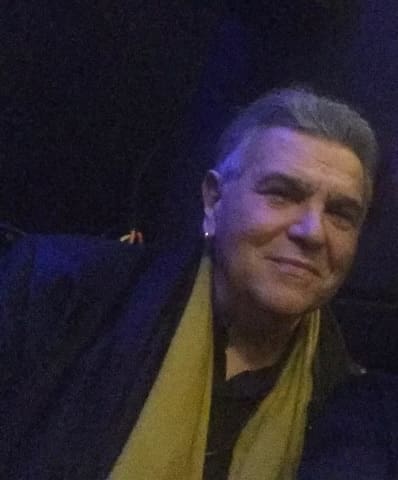 Frank Morreale is an artist and advocate born in Chicago and a graduate from the School of the Art Institute in the 1960s. His work is best described as dream imagery, and he exclusively works with archival materials: handmade papers, archival pens and adhesives, and recycled bottles. “Art as I experience it is a response to the stimulus of beauty observed, relished and absorbed — a joyous occupation almost totally devoid of conscious mental effort,” said Frank. “It is closer to meditation than to work.”
Frank’s home gallery is filled with art collected from his travels, his own creations, and art from his friends, including his late best friend Jon Cockrell, interior and furniture designer. “We had a lot to do with each other’s work; we informed each other’s work,” said Frank. In memory of his friend Jon who died at age 35 in 1988 of AIDS complications, Frank is selling his art for the first time in nearly 15 years. 25% of the proceeds will go to support the work of AIDS Foundation Chicago (AFC). “I lost my best friend to AIDS, and I took care of him until he died,” said Frank. “I’ve lost many friends. We all went through that horrible era.” Frank’s way of helping and connecting with the community is through selling his art. Each piece of art is a part of him, and to know that he can give something meaningful to people that will also come to fruition in rent or case management is what drives Frank.
His gallery includes drawings and objects. “The pictures seem to capture a fraction of a second, frozen as in a photograph, depicting vignettes of interaction between fantastic creatures from a pre-modern world with psychological or accidental relationships,” said Frank. Learn more about Frank’s work here.
To arrange a viewing of the gallery, text Steve Quinlan at 312-401-9410.

“In my own personal family, from the time that the HIV epidemic began, I lost family members,” said Donald. “I lost a first cousin who was a young gay man, I lost a first cousin who was an injection drug user, and I lost her child, who contracted HIV in childbirth. All those things happen and continue to happen, and yet general society thinks that we are in a post AIDS era, and we are not.”
Donald uses his lived experiences to advocate for the LGBTQ+ and HIV positive community, especially those who are not as privileged to be living in a safe haven like Chicago. Through his work with Pride Action Tank’s OutAging group and the Illinois Commission on LGBTQ+ Aging, Donald surveys the LGBTQ+ population across Illinois to find out where the community is, how well people are being served, and what their experiences have been like as an LGBTQ+ aging individual in receiving the services they need.
“We want to make people aware that they do not have to live alone; they can network, they can become a part of community, and they can, if they so desire, live their authentic sexual orientation and gender identity without having to live it in the closet,” said Donald.
Intergenerational collaboration is essential to not only Donald’s work but also his life. “When I was a young man, there was no images of what a gay man of 70, 80, 90 looked like,” said Donald. “We didn’t have a full lifetime perspective, and so now we can offer that to our youth.”
There’s no need to reinvent the wheel and re-achieve the things that our community already fought to achieve. Intergenerational relationships also allow the aging population to continually participate in society as it is today. “More than that, it gives us a sense of legacy as we pass on our experiences to youth, and that is an intrinsic need that human beings have,” said Donald.
One of the things Donald hopes to pass down to the youth today is the same sense of urgency and importance of the HIV/AIDS epidemic that it had back then. We need to center HIV/AIDS as an issue for the young LGBTQ+ community. In Illinois, we know that just under half of newly diagnosed people living with HIV are young people ages 13-29, and most of those people are Black. Additionally, young people 13-19 have the lowest rate of viral suppression of all age groups followed by people 20-29 (GTZ Illinois).
The Mpox outbreak in Chicago Summer 2022 brought up a lot of memories and feelings for Donald from the height of the HIV/AIDS epidemic. “I went to get my Mpox shot at a clinic where I once worked,” said Donald. “And sitting there waiting, I dissolved into tears because so much stuff just came back. Sitting there in a tent waiting my turn for my Mpox shot, with younger gay men, I was like ‘oh my god.’ The tent filled with ghosts.”
Donald notes that we lost an entire generation of people who should be here with us now. “There are things again, that even if one is not HIV positive, change your life,” said Donald. “I’ve had to deliver test results that were positive at a time when HIV was a death sentence, and it was not a chronic disease as it is now.”
While we are working on ending the HIV epidemic, it is true that the number of new HIV diagnoses remain high among young people aged 25-29; transgender women are experiencing high levels of HIV and barriers to care, and a growing area of HIV transmission is through heterosexual contact. Across the board, HIV disproportionately affects the Black and Latinx populations (HIV Surveillance Report, CDC, 2021).
There’s still work to be done to dispel the predominant narrative that HIV/AIDS is a gay White man’s disease. Donald emphasizes that we cannot whitewash it because in doing so, we fail to recognize the continued disproportionate impact it has on the communities of color. “HIV/AIDS is more a disease of color than of sexual orientation, but it does not matter because we need to be breaking down those silos anyways and say, ‘hey it’s a human condition, and we are all susceptible to it and we need to be aware of it,’” said Donald.
More conversations need to be had, especially cross-generational ones. “I don’t consider myself the voice of any community, whether it’s the Black community, LGBTQ+ community or aging community,” said Donald. “I am just a voice and there are many voices and each of these voices should have a space where it is recognized and honored and invited to participate.”
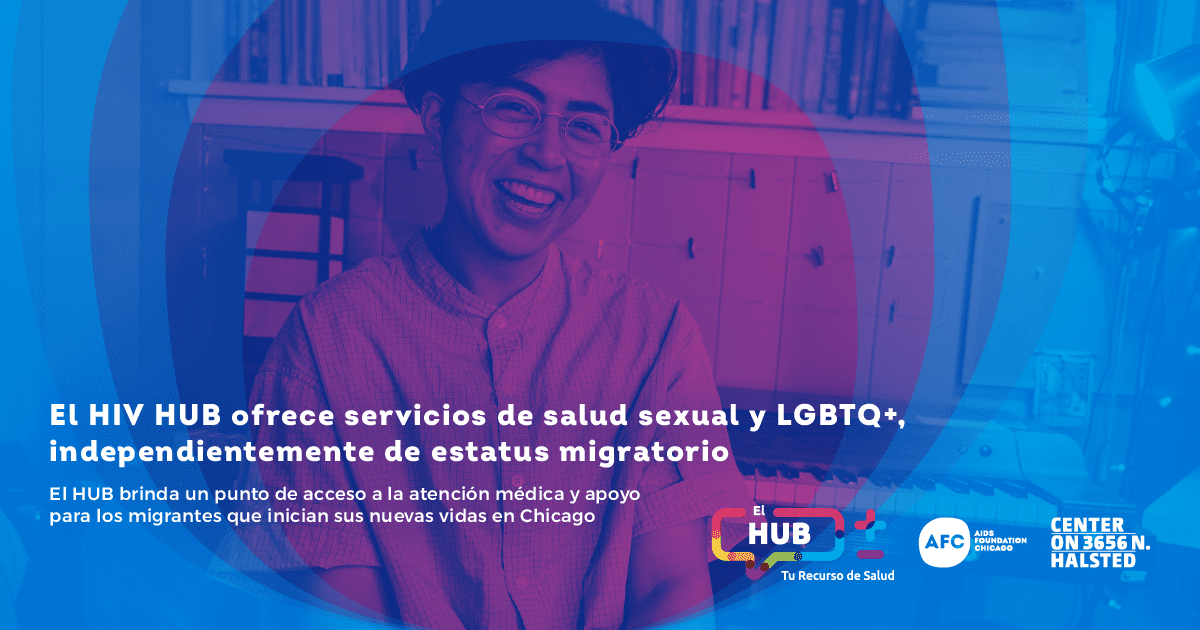
El HUB brinda un punto de acceso a la atención médica y apoyo para los migrantes que inician sus nuevas vidas en Chicago
(Chicago, IL) A través del HIV HUB, el AIDS Foundation Chicago (AFC, por sus siglas en inglés) y el Center on Halsted (COH, por sus siglas en inglés) están ofreciendo servicios de salud esenciales y gratuitos a los migrantes que hacen su nuevo hogar en Chicago. Establecido en 2020, el HIV Resource HUB es un recurso gratuito para todos los que necesiten servicios de salud esenciales, que incluyen vivienda, pruebas de VIH e ITS, medicación contra el VIH, vacunas contra la viruela del mono (mpox) y PrEP. El HUB está diseñado para ofrecer servicios actualizados y gratuitos como una “ventanilla única” y ofrece servicios de salud sexual para quienes viven con el VIH o son vulnerables al VIH o para quienes buscan servicios de salud LGBTQ+, y se brindan en inglés y en español. Entre los servicios adicionales que se ofrecen se incluyen un administrador de casos de VIH/SIDA, referidos médicos, atención afirmativa de género, apoyo de salud mental y del comportamiento, transporte médico, la búsqueda de vivienda y asistencia financiera de emergencia.
“El HUB está destinado a ser un recurso gratuito para cualquier persona con necesidades de salud sexual o que es LGBTQ+ independientemente de su estatus migratorio”, dijo John Peller, presidente y director ejecutivo de AFC. “A medida que las personas se adapten a su nueva vida en Chicago, queremos que sepan que el HUB está aquí para brindarles apoyo”.
El acceso a la atención médica es sólo una pieza del rompecabezas para proporcionar un apoyo adecuado a los migrantes en Chicago. AFC se une con orgullo a sus socios comunitarios en un llamado público a favor de una reforma migratoria integral y un aumento inmediato de los fondos federales de emergencia para ayudar a satisfacer las necesidades actuales de los migrantes.
“En momentos en que Chicago es cada vez más un refugio para los que buscan un lugar afirmativo donde vivir, los recursos que ofrece el HUB son más importantes que nunca”, dijo Editha Paras, codirectora ejecutiva interina y directora de programas del Center on Halsted.
Lanzado en 2020, el HUB ha atendido a más de 1500 clientes únicos. El HUB fue uno de los puntos de acceso a la asistencia financiera de emergencia y ha apoyado a personas con más de $1 millón en asistencia financiera desde su creación. El HUB está financiado por el Departamento de Salud Pública de Chicago (CDPH, por sus siglas en inglés).
Quienes necesiten servicios pueden llamar al HUB al 844.482.4040, visitar en línea hivhub.org o en persona en el Center on Halsted (3656 N. Halsted Street); o enviando un correo electrónico a [email protected]. Todos los servicios son confidenciales y gratuitos.
###
Acerca del AIDS Foundation Chicago (AFC)
Durante más de 36 años, AFC ha liderado la lucha para crear equidad y justicia en la salud para las personas que viven con el VIH y el SIDA y que se ven desproporcionadamente afectadas por ello. AFC reúne a proveedores de servicios y financiadores para desarrollar sistemas que satisfagan las necesidades de las personas que viven con el VIH/SIDA y maximizar el uso de los escasos recursos. AFC se compromete a trabajar con los políticos y los proveedores de servicios para aumentar la financiación de los servicios y programas de prevención que funcionan.
AFC moviliza a las comunidades para crear equidad y justicia para las personas que viven con y son vulnerables al VIH o a enfermedades crónicas. AFC aspira a crear un mundo en el que las personas que viven con el VIH o con enfermedades crónicas prosperen y no haya nuevos casos de VIH. Más información en: www.aidschicago.org/
Acerca del Center on Halsted
El Center on Halsted promueve la comunidad y garantiza la salud y el bienestar de las personas lesbianas, gays, bisexuales, transgénero y queer de Chicago. Como el centro comunitario LGBTQ más completo del Medio Oeste, la organización ahora también incluye el Center on Addison, un centro para personas mayores LGBTQ; y el Center on Cottage Grove, un espacio para servir mejor a los miembros de la comunidad LGBTQ que viven en el sur de la ciudad, especialmente aquellos vulnerables al VIH/SIDA. Más de 1,000 miembros de la comunidad visitan el Center cada día. Más información en: www.centeronhalsted.org
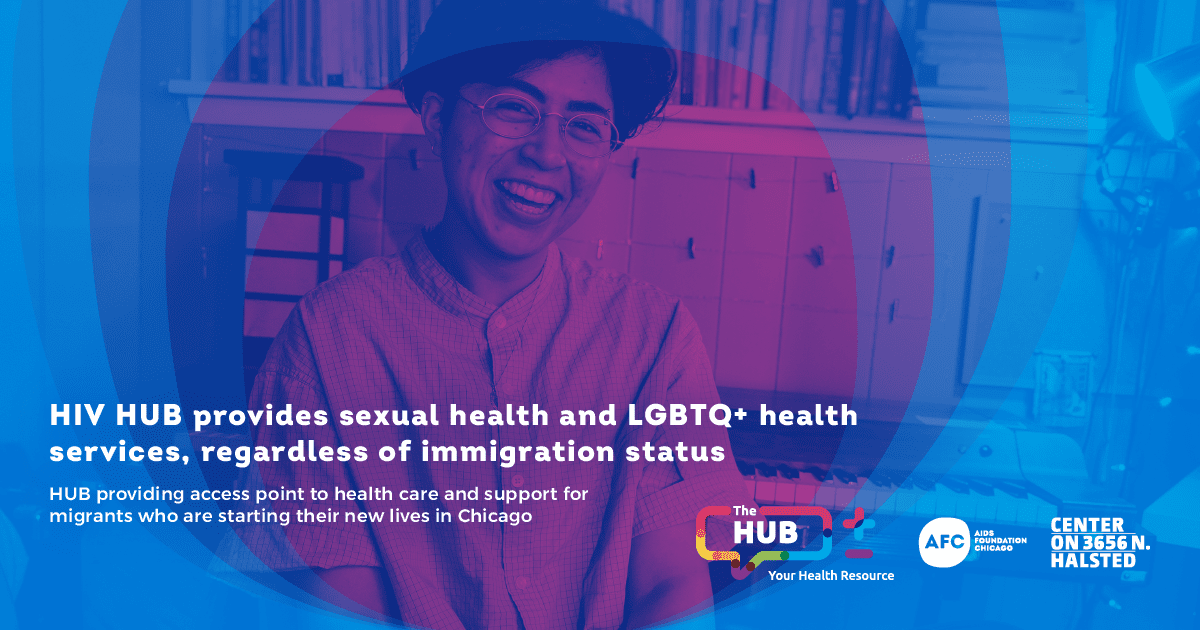
HUB providing access point to health care and support for migrants who are starting their new lives in Chicago
(Chicago, IL) AIDS Foundation Chicago and Center on Halsted are offering free, essential health services to migrants who are finding their new home in Chicago through the HIV HUB. Established in 2020, the HIV Resource HUB is a free resource for all in need of essential health services, including housing, HIV and STI testing, HIV medication, mpox vaccines and PrEP. The HUB provides a free one-stop-shop for up-to-date sexual health services for those living with or vulnerable to HIV or those looking for LGBTQ+ related health care, provided in English and Spanish. Additional services include HIV case management, health care referrals, gender-affirming care, behavioral and mental health support, medical transportation, housing navigation and emergency financial assistance.
“The HUB is meant to be a free resource for anyone with sexual health needs or who is LGBTQ+ regardless of immigration status,” said John Peller, AFC President and CEO. “As individuals adjust to their new life in Chicago, we want them to know that the HUB is here to provide support.”
Access to healthcare is just one piece of the puzzle in providing adequate support for migrants in Chicago. AFC proudly joins its community partners in the public call for comprehensive immigration reform and increased immediate federal emergency funding to help meet the current needs of migrants.
“At a time when Chicago is increasingly a refuge for those seeking an affirming place to live, the resources offered through the HUB are more critical than ever,” said Editha Paras, Center on Halsted’s Interim Co-CEO & Chief Program Officer.
Launched in 2020, the HUB has served more than 1,500 unique clients. The HUB was one of the access points to emergency funding assistance and has supported individuals with more than $1 million in financial assistance since its inception. This HUB is funded by the Chicago Department of Public Health.
Those in need of services can call the HUB at 844.482.4040, visit online at hivhub.org or in-person at the Center on Halsted (3656 N. Halsted Street); or by emailing [email protected]. All services are confidential and free-of-charge.
###
About AIDS Foundation Chicago (AFC)
For more than 36 years, AFC has led the fight to create health equity and justice for people living with and disproportionately impacted by HIV and AIDS. AFC brings together service providers and funders to develop systems that meet the needs of those living with HIV/AIDS and to maximize the use of scarce resources. AFC is committed to working with policymakers and service providers to increase funding for prevention services and programs that work.
AFC mobilizes communities to create equity and justice for people living with and vulnerable to HIV or chronic conditions. AFC aspires to create a world in which people living with HIV or chronic conditions will thrive, and there will be no new HIV cases. More at: www.aidschicago.org/
About Center on Halsted
Center on Halsted advances community and secures the health and well-being of the Lesbian, Gay, Bisexual, Transgender, and Queer people of Chicagoland. As the Midwest’s most comprehensive LGBTQ community center, the organization now also includes Center on Addison, an LGBTQ Senior Center; and Center on Cottage Grove, a space to better serve LGBTQ community members living on the South Side, especially those vulnerable to HIV/AIDS.
More than 1,000 community members visit the Center every day. Learn more at www.centeronhalsted.org

AIDS Foundation Chicago (AFC) invites you to Show Up and Show Out with us at AIDS Run & Walk Chicago on Saturday, September 30th at Soldier Field! This annual event has been bringing together people from all across Chicagoland to raise awareness and funds for those affected by HIV and AIDS since 1991 and has been managed by AFC since 2001. This year, we are encouraging participants to be bolder than ever before as we raise awareness and funds for AIDS Foundation Chicago and its 30+ CommunityDirect partners.
The future in which people living with and vulnerable to HIV or chronic conditions will thrive is possible, but we must be accountable in creating it. This year’s theme, Show Up, Show Out pushes us to be there for each other and live as our authentic selves. As we see an increase of negative and hateful rhetoric towards the LGBTQ+ community, we must be accountable for the impact we make, we must arrive when we are needed, and we must loudly celebrate the diversity that is us. Simply put we must Show Up, Show Out.
As we enter Pride Month, it is a great time to reflect on the ways we have been showing up for our community throughout the year. It is also an opportunity to make new strides in our efforts to create a world where the LGBTQ+ community is celebrated and people living with and vulnerable to HIV thrive.
The origin of Pride Month stems from Gay Rights protests and riots throughout the 1960s, with Stonewall one of many. We must remember that transgender and gender non-conforming people of color were the leaders of this movement, like Marsha P. Johnson and Sylvia Rivera. Although progress has been made, there is still work to be done.
Participating in AIDS Run Walk Chicago is one way to make a difference, with a community-wide impact. Funds raised through this event support AFC and 30+ Chicago-based HIV organizations. These unrestricted funds directly benefit community organizations, supporting their programs and services that contribute to our overall goal of getting to zero new HIV infections in Illinois by 2030 (Getting to Zero Illinois). You can register or donate today at aidsrunwalk.org.
You can also Show Up and Show Out this Pride Month at special events and other fundraisers View the list of events here.
Share with us the other ways that you are getting involved during Pride Month and beyond! Tag us @aidsfoundationchicago on Instagram and @aidschicago on Facebook or email us at [email protected]!
Will you Show Up and Show Out with us?
By Tyline Burgess, Communications Manager, AFC
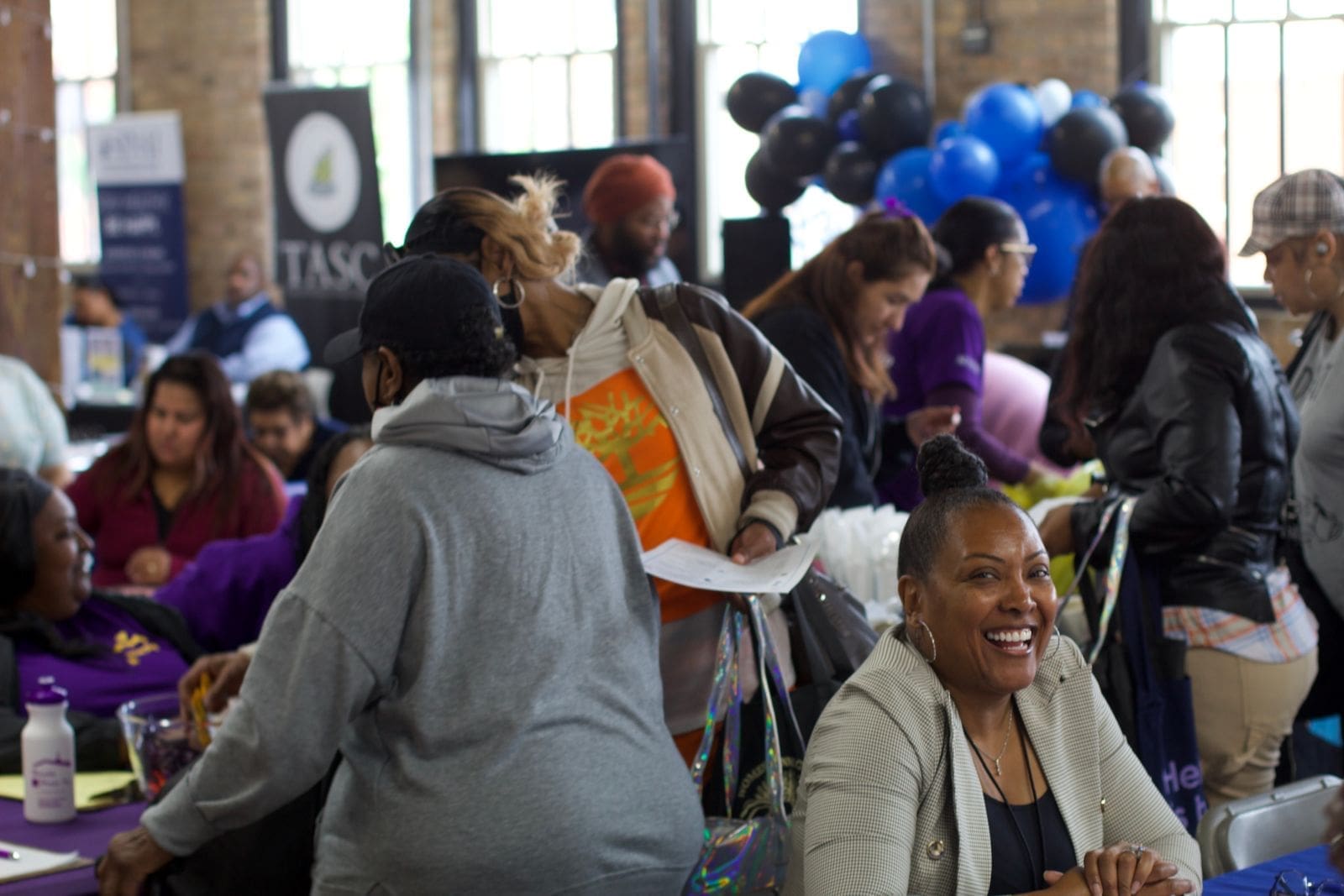
CHICAGO, IL – This year’s Women’s Connection Summit of Hope truly lived up to its name by restoring hope and helping to connect women to the resources they need. The free expo was thoughtfully curated and, hosted by AIDS Foundation Chicago’s Dept of Community Partnerships & Special Projects Headed by Cynthia Tucker and includes, L’Oreal Bailey, Tamika Foust, Donnise Gafeney, Nicole Baldwin, and Anthony Dupree and partners brought together local service providers in one space to offer a unique experience for women looking to reenter society after experiencing hardships including incarceration and homelessness.
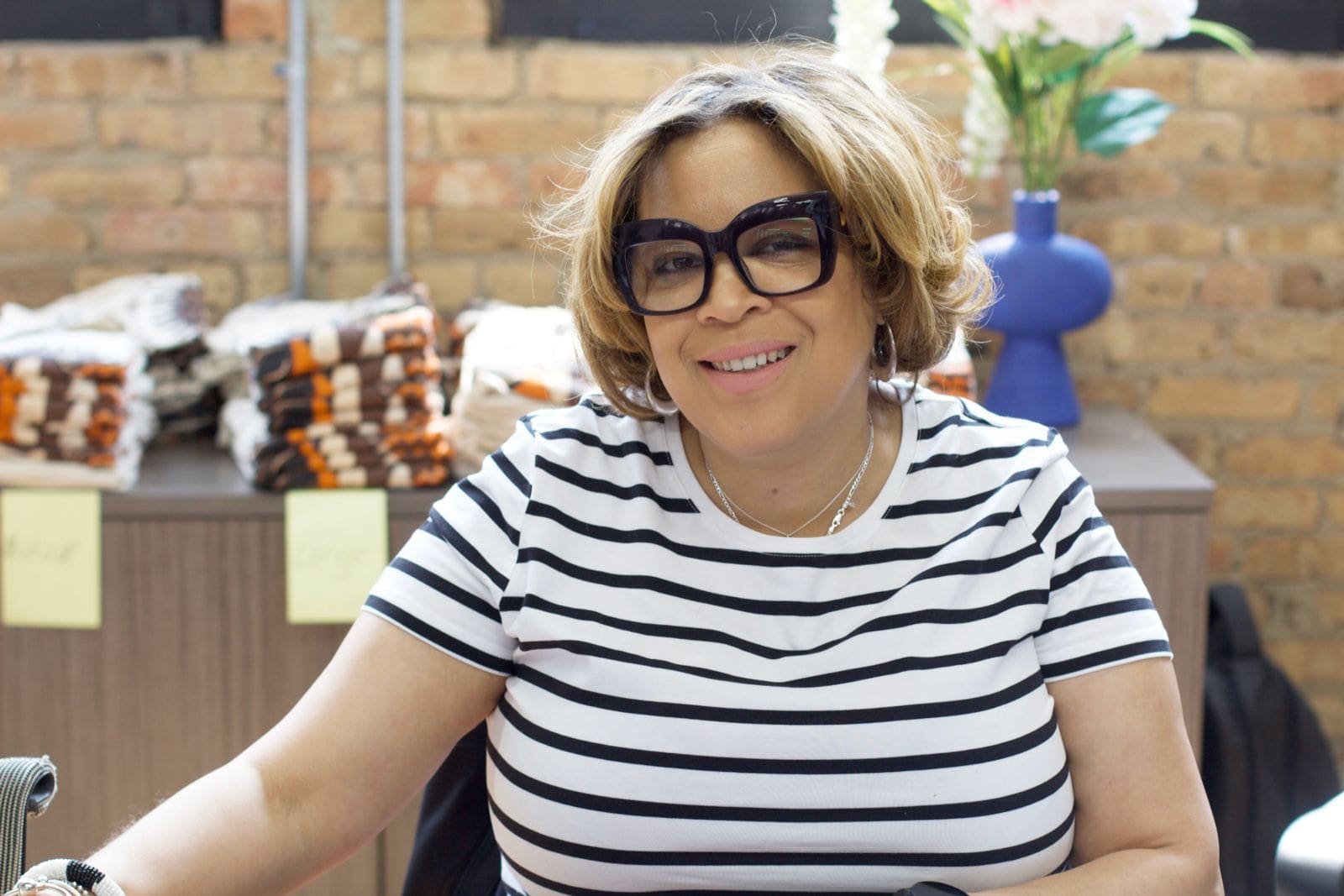 The sounds of chatter and laughter could be heard echoing throughout the stairwell of the packed Jumphire Venue located at 328 Albany Ave in Chicago’s West side. The event was filled with women (75 participants + 40 Vendors) eager to take advantage of the opportunities the expo was sure to present. “We had people here before the doors even opened. So that was enough to be excited about. This summit is a shining example of the exceptional work that AFC can accomplish along with cooperative partners.” said Nicole Baldwin, one of the event’s coordinators.
The attendees of the event represented a wide range of women but mostly consisted of Black and Brown women, both cis and trans. They were treated to a welcoming environment where they received information on practical issues such as sexual health, job opportunities, and training. They also received spiritual and emotional support in the form of religious outreach programs and traditional spiritual healers and life coaches. “I’m inspired. You can’t walk into here and not come out with something good and beneficial,” commented one of the event participants.
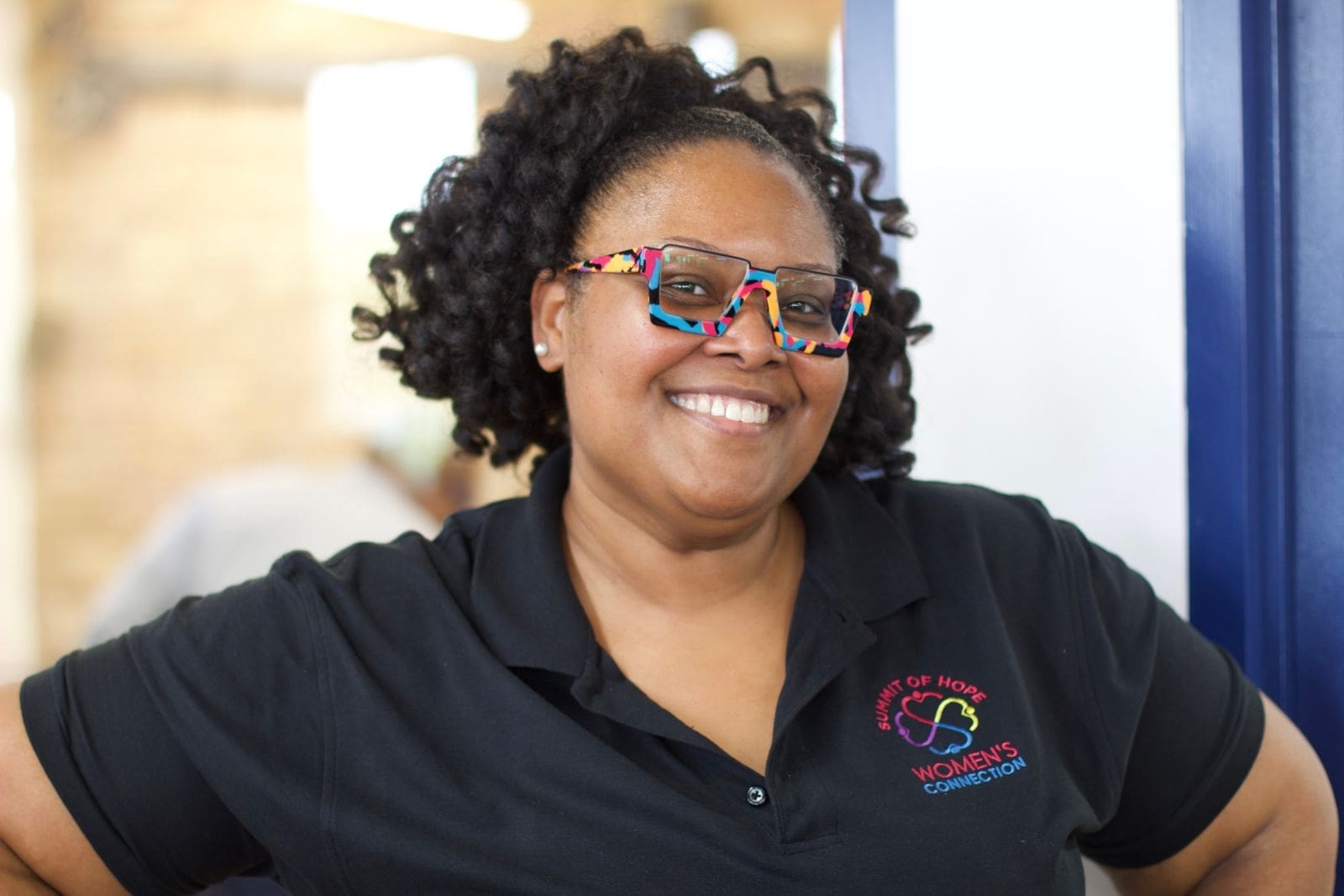
At the opening of the expo, the women were all provided with a form that listed each station. Upon visiting a vendor, the ladies were given a sticker showing completion; as a reward for completing the forms individuals were treated to a complimentary full body massage on the second floor where they also were given access to free jewelry, handbags, and other accessories. It was lovely to see that participants weren’t just given a complimentary meal, some information, and then sent out into the world. The beauty of this expo was that the women were provided an experience of comfort and community and the opportunity to address their needs as a whole human, mind, body, and spirit. Not only was this an informative event it was an enjoyable one. These women were able to get the information they needed and then some. ” I think the turnout was good, seeing the ladies and the vendors come together just warms my heart. It reignited my passion and fire and reminded me of why we do what we do. We need every chance to love on the people that we serve and to let them know that we are with you.” said Tamika Foust, one of the event’s organizers.
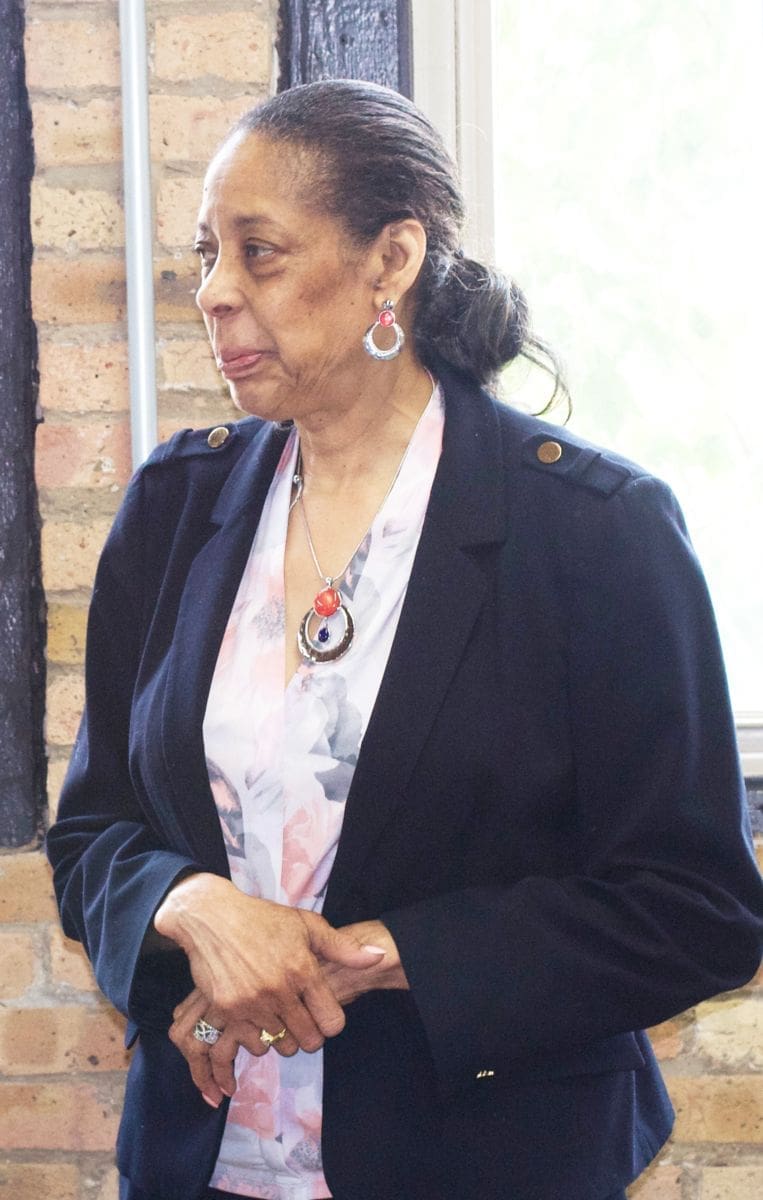 The Women’s Connection Summit of Hope was an event that left one not only filled with a feeling of hope but also motivation and inspiration. “Hosting the Women’s Connection Summit of Hope was an opportunity for us to create a one-stop shop for women to come in, and get all the information and resources they need from case management, housing, employment, and mental health. And also to get some empowerment tools to help them and make sure that they can really thrive in their lives. And it shows the community can come together and care for those we serve.” said Dr. Cynthia Tucker, Senior VP of Prevention & Community Partnerships at AFC, when asked about the event.
By providing the summit’s attendants access to vendors offering case management, employment, housing, prevention, and legal support the Women’s Connection Summit of Hope embodied many aspects of AFC’s Strategic Plan, especially its objective to team up for justice and change. This summit united the community and not only brought about change for a day in the lives of these ladies but potentially change that impacts the rest of their lives and the lives of those around them. It’s not enough to plant seeds and to expect a garden to grow, we must also water and nurture them. This summit sowed seeds of change in every woman in attendance that day while also pouring into them spiritually and mentally. By also connecting them to services to support their mental health and a little pampering too, this summit helped nurture an environment where growth is possible and where hope can flourish as change takes place.
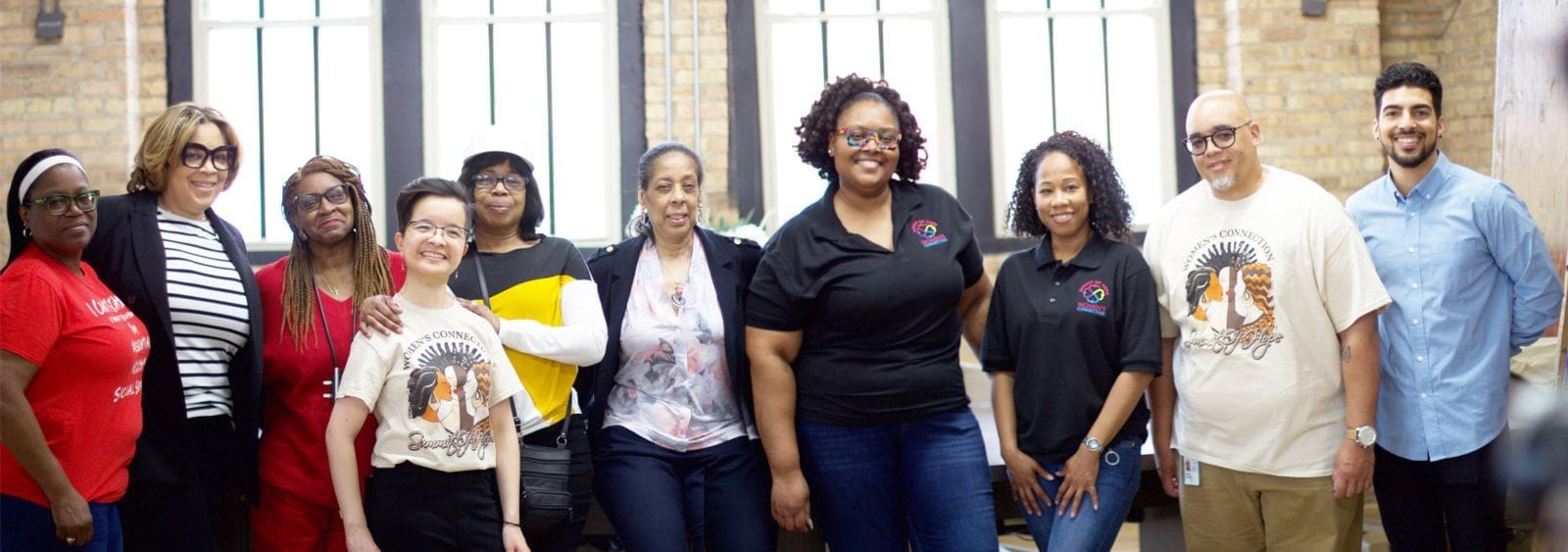
The Women’s Connection summit of hope was sponsored by AFC, the IIllinois Department of Public Health (IDPH), The Illinois Department of Corrections (IDOC), the Public Health Institute of Metropolitan Chicago, Jumphire and the Women Connection taskforce.