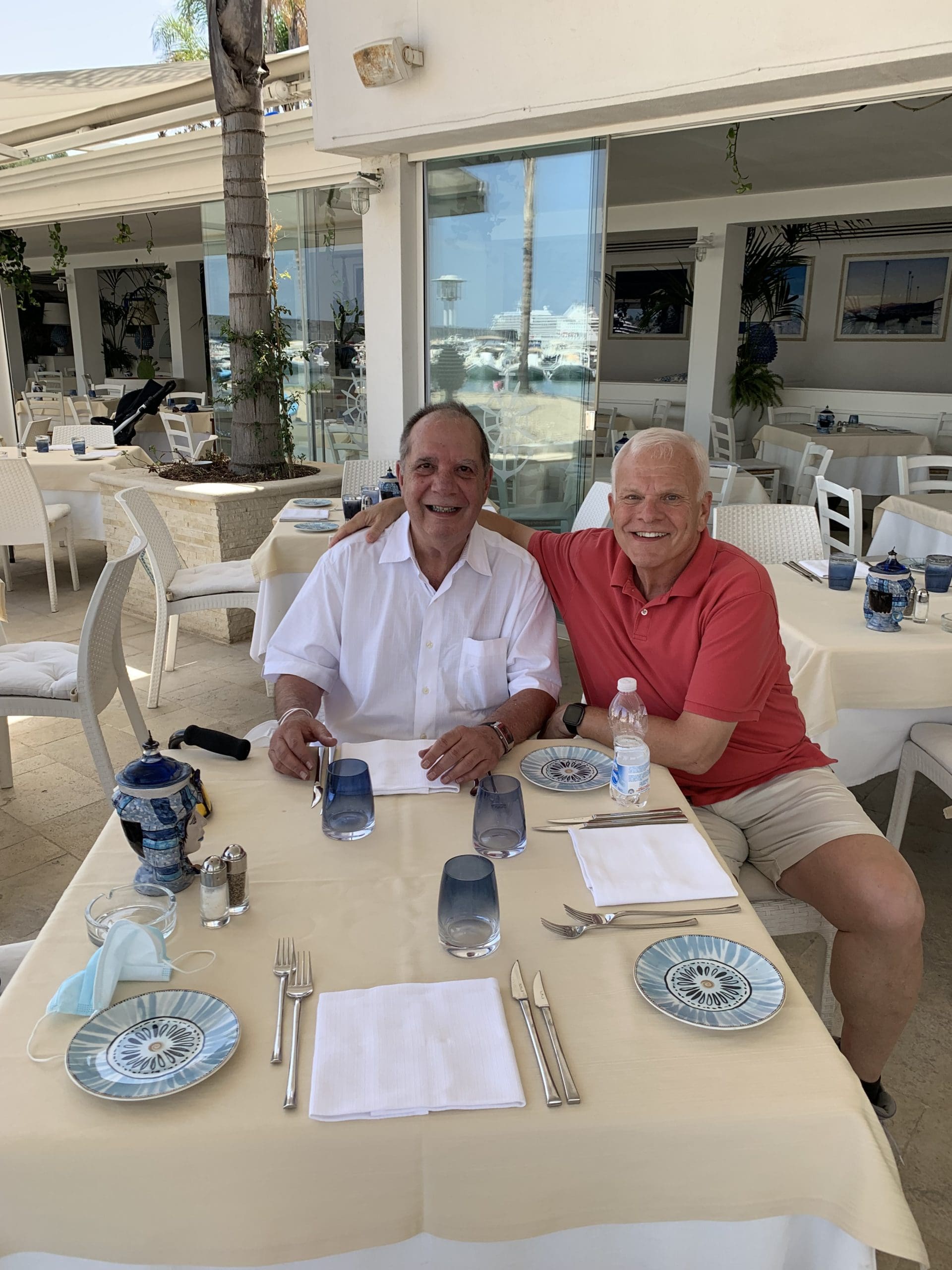
Many hands have shaped AIDS Foundation Chicago’s achievements over the years. And that certainly includes Chicago LGBT Hall of Fame member and former AFC board member Robert Neubert, who was honored with the organization’s Lori Kaufman Volunteer Award in 2013. AFC has become such a part of Neubert’s DNA that in addition to his past board service and financial contributions, he and his partner Barry have pledged a bequest to AFC through their estate. In 2026, new laws and limits for estate planning have taken effect, so it is a great time to start or amend your estate plan with the help of a financial advisor and attorney. You can visit afclegacy.org for information about how to leave a legacy gift to AFC, and if you are just getting started on your estate planning journey, you can get a free guide with information for beginners.
Now residing in Florida, Neubert (who has retired from his position as director of catering at the Hilton Chicago) recently talked about what propelled him to become part of AFC, and eventually to become a legacy donor—and the impact the organization made on him.
Andrew Davis: What’s your connection to AFC now?
Robert Neubert: I’m on the Honorary Board after I stepped off the board after about 15 years. I felt it was time to get some new blood on the board. Like an aging politician, I thought it was best to step away. [Laughs] Also, I continue to make financial contributions.
I moved to Florida two years ago, but I was on the committee that planned the 40th anniversary gala earlier in 2025. But even at that point, I had stepped away as it was difficult to participate from this distance as you don’t feel sufficiently engaged. I haven’t grown away or lessened my support, but I’m in a different place now.
Davis: How are things going in Florida right now?
Neubert: It’s very red. I’m in the northwest panhandle of the state, which is heavily Republican. You just have to move on and hope that we can turn more blue. I lived here for eight years in the ‘80s, when I was general manager of a resort here. I made friends and I had family here, so I came back here.
Davis: I understand you became involved with AFC after meeting an interior designer and a Broadway producer.
Neubert: Yes. Mary Lu Roffe and John Ansehl were the co-chairs of the Not Just Song and Dance gala in 2001; AFC used to do it every year, but now AFC has a gala once every five years. I was director of catering at the Sheraton in Chicago at the time, and John and Mary Lu came into the office to look at the hotel as a possible venue. We signed a contract, and I worked closely with them as well as with Mike Dilbeck, who was AFC’s director of special events.
The more I helped plan the event, the more I realized that AFC was a really great organization—and I had lost a number of friends, neighbors, co-workers and even employers to AIDS. I just became very passionate about the organization, first as a volunteer and then as a board member (after then CEO Mark Ishaug asked me to join). The people at AFC really became an extended family, and it was a wonderful vehicle for me to keep the memories alive of those I had lost and to help others find new hope.
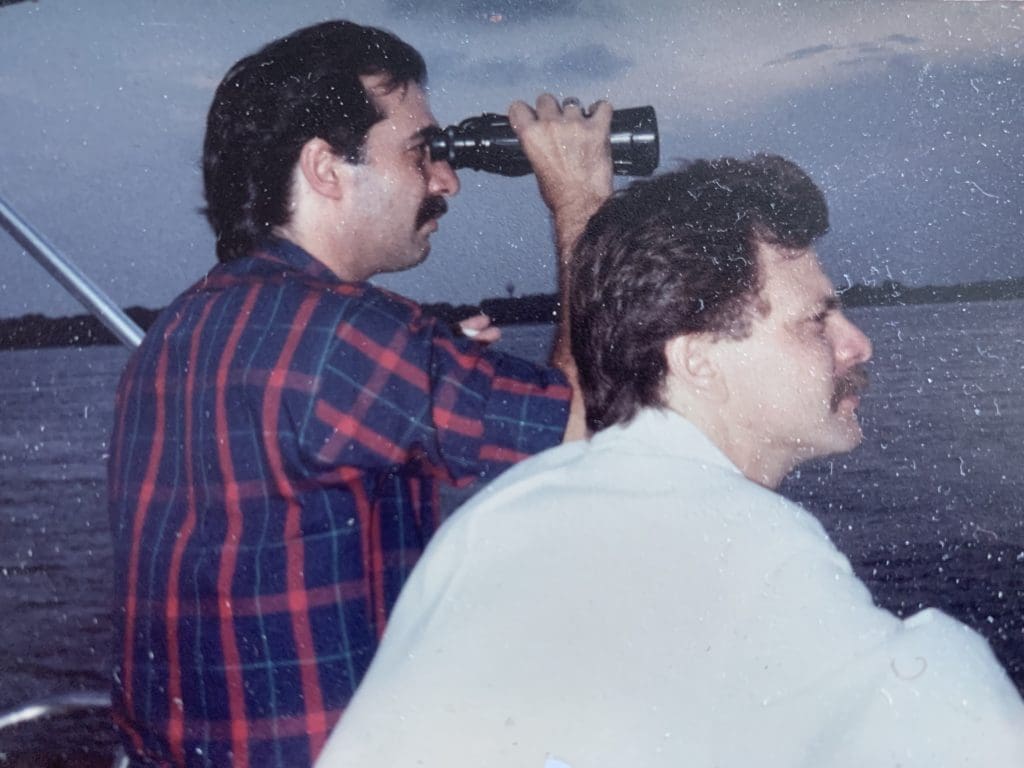
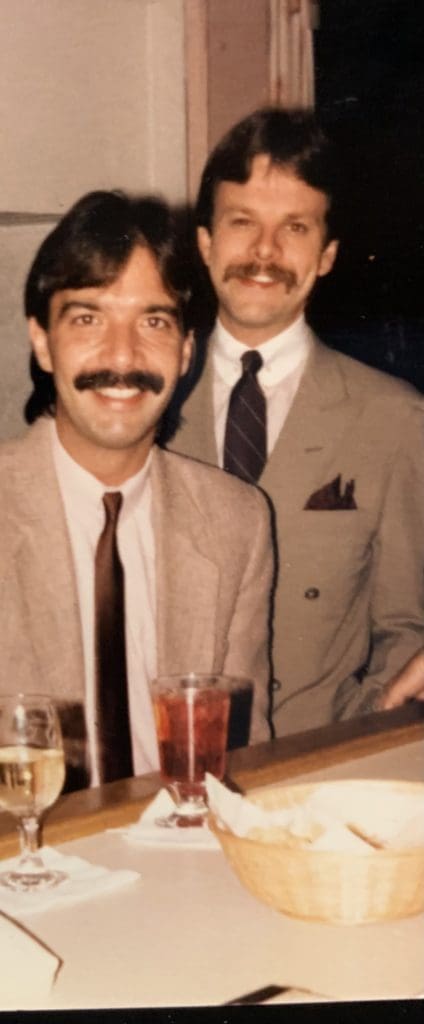
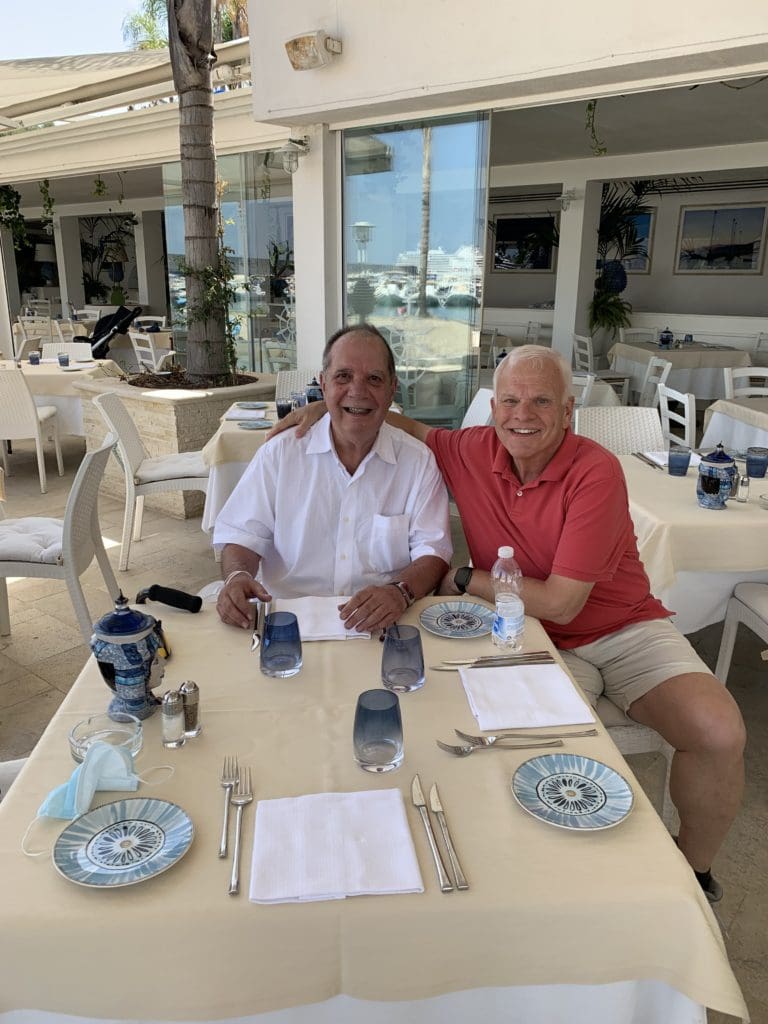
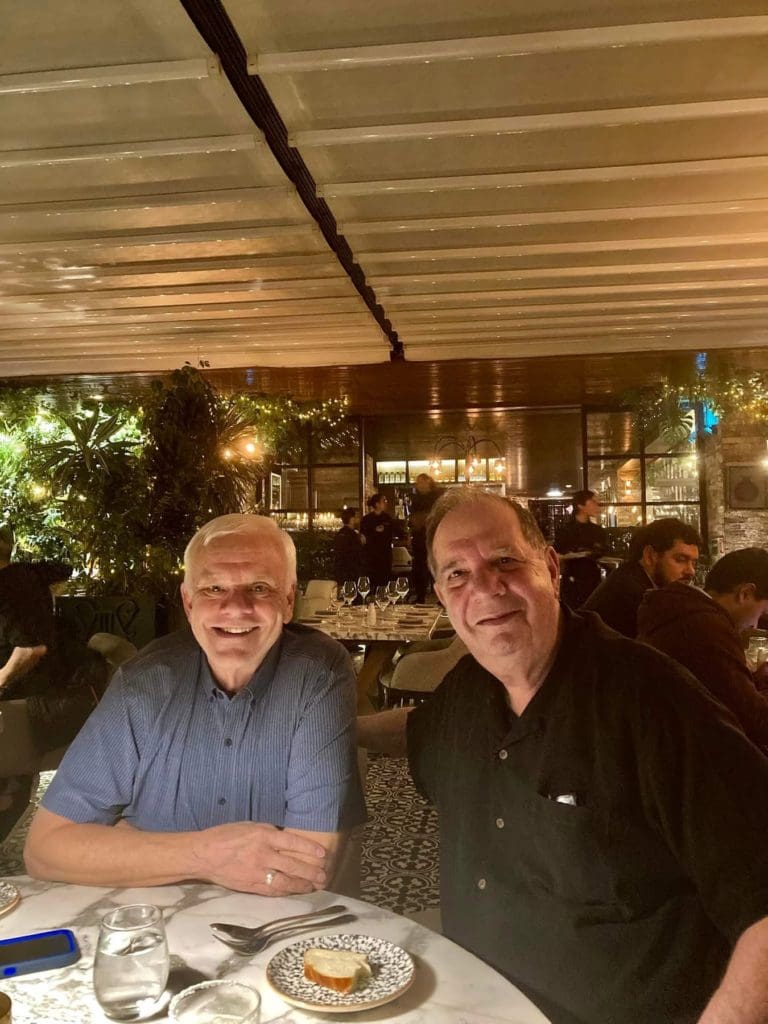
Davis: I remember interviewing [the late author] Edmund White and he mentioned that he had lost hundreds of friends and others to AIDS. It was hard to wrap my mind around that number, but death was very common back then.
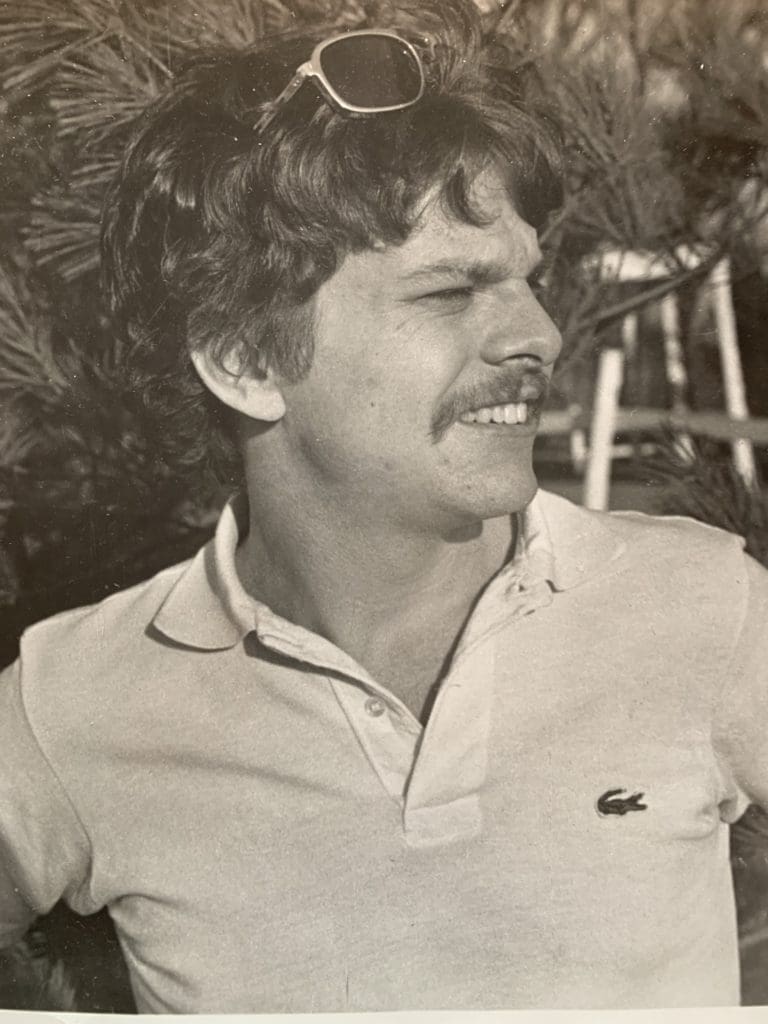
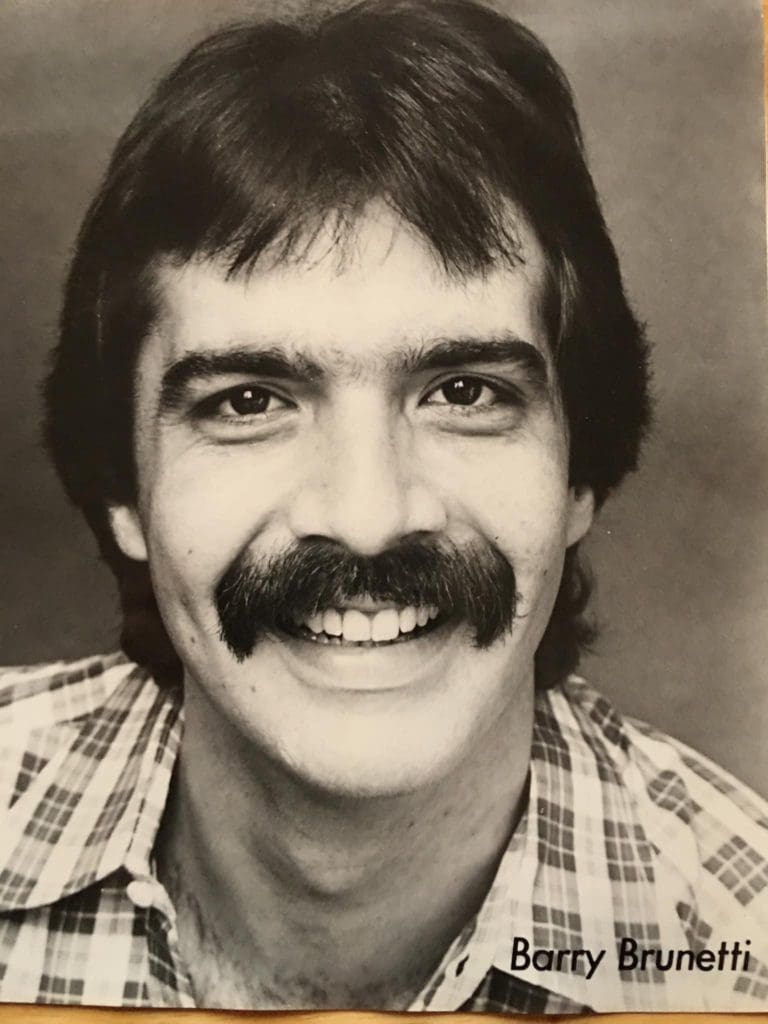
Neubert: Yes! My partner of 46 years [Barry Brunetti] and I were living in New York back in the ‘70s and ‘80s; I grew up in upstate New York, near West Point, so I was less than an hour from Manhattan. I was a theater major, working in musical theater as a director. You’re in that artistic community and you run into many LGBTQ+ people—it was the ‘70s and it was New York. But when [the HIV/AIDS pandemic] started, it was unbelievably frightening.
Davis: When the disease was first detected, some people didn’t know what to call it—and forget about culturally competent care.
Neubert: You could see people with AIDS walking down the street, and you knew exactly what they were suffering from. You’d get a call that someone was in the hospital or had passed away. It was a hard, hard time and I lost a lot of the people that I worked in theater with. Now—and I’m grateful for this—I haven’t lost anyone to AIDS in decades because they’re able to take medication and live full lives. But that wasn’t the case for the early [victims], and it’s not the case for so many worldwide who don’t have access to care. And now with the [Trump] administration doing this to Medicaid, Medicare and other things, it’s only going to get worse; it’s going to come back.
Davis: Have you thought about using your energies on a more international scale?
Neubert: I haven’t because of the relationship I have with AFC. I’ve [increased] my planned giving; when my partner and I looked into [legal affairs], we decided to give 10% of our remaining estate to AFC and 10% to the Theatre School at DePaul University, where Barry taught for 25 years.
Davis: When you were on the board, what efforts did you oversee?
Neubert: I worked very closely on World of Chocolate for many years as well as the annual galas. I was director of catering at the Hilton Chicago for 20 years before I retired three years ago, so a lot of events were held at the Hilton. I was fortunate to have a corporation that was so supportive of something that was so supportive of me, so AFC got special pricing and no room rentals.
Mark Ishaug said that all board members needed to have a project—and with my theater background, he thought I should get involved with Dance for Life. I met a group of people—Randy Duncan, Harriet Ross, Danny Kopelson, Keith Elliott, Gail Kalver and Julie Kaplan—who just tugged at the heartstrings. From my theater years, I was always supportive of the dancers; they worked harder than anyone else on stage, for a short-lived career. After losing friends from the theater community (and a good number of them were dancers), this was another opportunity to remember the ones I had lost and to raise money. After all, freelance dancers have no insurance. Are you going to pay rent or see a doctor?
Getting involved with Dance for Life was probably the most impactful part of my involvement with AFC. I was on the dance committee and was asked to be on the board, and I became board president of Chicago Dancers United [now the Chicago Dance Health Fund]. It gave me a unique opportunity to commit myself to everything I believe in—with AFC, AIDS, and the continuing fight. Dance for Life brought me back to the theater world.
The event moved from Navy Pier to the Harris Theater to the Auditorium Theatre. Every time we took a baby step, we wondered, “Are we putting it at risk by moving it?” But, lo and behold, it has continued to grow, and it has raised hundreds of thousands of dollars for the dance community.
Davis: What do you feel AFC means to the LGBTQ+ and HIV/AIDS communities?
Neubert: There’s so much that AFC does, with housing assistance, counseling, an information base and a dedicated staff of volunteers that can help dig some people out of the trenches.
Davis: What is AFC’s legacy?
Neubert: That’s a good question. They fight the good fight, and they bring public awareness. AFC is tireless, on local and national levels. It’s one of the premier AIDS organizations in the country, and people look to Chicago. There’s a tremendous staff that’s very dedicated to what they do, and they’re well-respected.
Davis: Is there anything you want to add?
Neubert: It’s been a privilege to be able to see folks who are fighting, to this day, against something that altered my life. AFC is a beacon of hope.


