 By Bailey Williams
I spent most mornings in the summer of 2016 running before work. I’d run a neighborhood route, often in the streets when cars were few, the sun was rising, and nothing but birds and insects could be heard. I was in the best shape of my life and had finally gotten down to easily running 7-minute miles. When the annual AIDS Run & Walk Chicago came around on Oct. 1, I was ready. Even though it rained, I ended up placing first out of all female participants in the 5K race.
Although I won that year and have run multiple races at this point, the thing most people don’t know about me is I don’t enjoy running. I’ve trained the past few years with the specific intent to raise funds for people living with HIV, but the training itself was never easy nor particularly fun for me. It is with utter relief that this year I don’t feel the need to run to fundraise.
Because of COVID-19, Run & Walk is offering a variety of ways for participants to get involved with fundraising in ways that are safe and accommodating to where this pandemic finds each one of us. I don’t know about you, but this pandemic does not find me in the best shape of my life. Thankfully, there’s options for everyone.
Option 1: Run & Walk Week
From Monday, Sept. 28 to Friday, Oct. 2, you can enjoy a socially distant run, walk or roll at any or all of the following neighborhoods between 3 p.m. and 7 p.m.
- Monday, Sept. 28: Douglass Park
- Tuesday, Sept. 29: Uptown/Lakeview
- Wednesday, Sept. 30: Dunbar Park
- Thursday, Oct. 1: Loop/Grant Park
- Friday, Oct. 2: Washington Park/Hyde Park
On Saturday, Oct. 3, you can also go for a socially distant run, walk or roll in the Loop at Grant Park sometime between 10 a.m. to 2 p.m.
Option 2: Run, walk or roll at your own pace, at your own place
Starting Sept. 1, registered participants will have access to the RaceJoy phone app that will guide you through a virtual race whenever you’re ready and wherever you’re located, whether that’s in Chicago or downstate Illinois. Here are some ideas for what your race day can look like:
- A socially distant run or walk around your neighborhood
- A Divvy bike ride alongside the Lakefront
- Kayaking
- Longboarding
- Roller skating
- A treadmill run or walk
Option 3: Stay-at-Home Fundraiser
This year, you can also sign up to fundraise from afar and receive fun prizes for reaching fundraising milestones, including an event T-shirt if you raise $150 by Sept. 17. This option is perfect for someone who would prefer to fundraise from home.
All participants can also tune in to Facebook Saturday, Oct. 3 to the live Run & Walk celebration that will feature community stories, performances and the ability to connect with each other online.
DIY: Add-ons
In addition to those options, each participant can jazz up their experience even further. Here are a few ideas:
- Host Zoom game and trivia nights or PS4 video game nights that double as fundraisers
- Go on socially distanced and masked training runs with a friend leading up to event day
- Go live on social media and have your friends and family tune in as you go through a route
- Host a dance marathon fundraising party in your bedroom
- Host a virtual meditation group with a donation option
For the first time ever, you can truly experience Run & Walk however you want. Regardless of how you choose to participate this year, if you have the means, energy and spirit to fundraise during this time for people living with HIV, please do. Your fundraising can help us end the HIV epidemic in Illinois by 2030.
Bailey Williams is a past and current participant of AIDS Run & Walk Chicago and the communications specialist at AFC. To support AIDS Run & Walk Chicago, register and fundraise here. To support Bailey’s fundraiser, donate here.
After almost a decade of leading AIDS Foundation Chicago (AFC)’s case management system, Bashirat Olayanju has been promoted to a new role on AFC’s Senior Leadership Team: Vice President of Care.
“I am super excited and honored to be part of a dedicated team tasked with strategically leading the organization to a place of strength,” said Bashirat. “AFC’s commitment to being a bold voice for change, as well as its commitment to serving priority populations, which includes people who look like me, motivates me daily and fuels my passion.”
Bashirat has worked with AIDS Foundation Chicago for 9 years and oversees a budget of over $10 million that funds HIV care programs including lifesaving direct client services like case management, medical care, dental services, behavioral health, and supportive services like medical transportation and food. Some of Bashirat’s recent successes include leading a request for proposal process with a health equity framework that resulted in HIV funding across multiple agencies in Chicago and collar counties, including the addition of 7 new partners.
“I’m excited to have Bashirat as a member of AFC’s Senior Leadership Team,” said John Peller, AFC President/CEO. “I appreciate so many things about Bash, and one of them is her deep knowledge of the needs of people living with HIV and the HIV service delivery system. As the leader of the AFC’s Ryan White HIV program — one of the largest programs at AFC — it’s fitting that Bash join the agency’s leadership.”
Learn more about Bashirat here, and meet the rest of AFC’s Senior Leadership Team here.
By Bailey Williams
After receiving an eviction letter, a man in emotional distress called the HIV Resource Coordination HUB. The phone line led by AIDS Foundation Chicago (AFC) and Center on Halsted is dedicated to providing information and resources related to HIV. By the time Oscar Solis, a Rapid Responder for the HUB at Center on Halsted, answered his call, the man was extremely upset, yelling profanities and expressing outrage that Oscar could not immediately help him with his looming eviction. Oscar calmly collected basic information from the man and promised to reach back out with resources.
After consulting AFC to determine what resources might be available, Oscar repeatedly called and emailed the man but was unable to reach him. Eventually the man’s phone was disconnected, but one day, he managed to call Oscar back from a friend’s phone. Oscar was then able to let the man know he was eligible for the HUB’s emergency financial assistance.
“He felt like multiple systems had failed him by that point,” Oscar said. “He hadn’t received unemployment. His SNAP determination was lost in the mail somewhere. He’d been going to food pantries every day. It just seemed like nothing was working for him. He was extremely grateful that I didn’t just let him get lost in the wind.”
That man is just one of the more than 600 people the HUB has provided information and referrals to during its five-month tenure. Funded by the Chicago Department of Public Health, the Hub, a partnership between AFC and the Center on Halsted, launched in February to provide HIV-related resources and information to those who called the HUB’s line at 1-844-482-4040. A month later, it quickly pivoted to also support the unprecedented financial need caused by the new coronavirus (COVID-19).
So far, the HUB has dispensed more than $441,000 to cover COVID-19-related financial emergencies for more than 289 people living with and vulnerable to HIV in the Chicago Eligible Metropolitan Area (which includes Cook County and the surrounding “collar counties”). Most of those funds have covered people’s rent, utilities and food needs.

The HUB began by offering up to $1,500 of emergency financial assistance to people living with HIV and people vulnerable to HIV who are on the prevention medication program PrEP. Later, thanks to additional funding, the HUB was also able to cover an additional two months of rent payments for people living with HIV.
“A lot of our clients continue to be our clients since the beginning of the program because many of them are HIV positive and eligible for the (additional two months of rent payments),” said Jeremy Saxon, a Rapid Responder for the HUB at Center on Halsted. “I have about 100 clients that I maintain contact with.”

The Rapid Response team at the Center on Halsted answers and assesses the HUB’s calls. The team provides referrals for resources to address social determinants of health, including case management and housing which AFC provides when needed. If callers are eligible for emergency financial assistance, a Rapid Responder would walk the client through the application process. It usually takes about one to three weeks to acquire the necessary documentation and get the application fully processed. The finance team at AFC then works diligently to get the rent and other payments out in a timely fashion.
These payments have changed many people’s lives. Jeremy said one of his clients is an older adult living with HIV in subsidized housing. The client relied on her job to buy food and pay the portion of her rent that isn’t subsidized. When COVID hit, the client lost her job and fell behind on her bills, but the HUB’s emergency financial assistance made a difference.
“Hundreds of dollars of assistance–she didn’t even max out the $1500–changed her life,” Jeremy said. “The day I called her and told her that her documentation and application got approved, this woman was in tears. It just happened to be the first day the program got extended, so I was able to tell her, we were able to not only pay for last month’s rent, but also the next two months of rent. She was overwhelmed with the amount of care.”
If you are living with HIV or are on PrEP and need financial assistance due to COVID-19, you can call 1-844-482-4040 to get assessed. The HUB’s Rapid Responders will help you determine your eligibility and next steps and find resources.
“We encourage people who think they might be eligible for the program, who can benefit from financial assistance, to at least call and get assessed,” said Roman Buenrostro, AFC’s Director of Special Projects and Planning. “In a phone call, someone would be able to tell you if your situation was one where you’d qualify to apply, and if you didn’t qualify to apply, the goal is the staff at the Center on Halsted would still give you other resources and point you in the direction of other places where you can call and request assistance.”
To support the work of the HUB, share the HUB’s number 1-844-482-4040 on social media, letting people living with and vulnerable to HIV know that if they are in need during this time, they might qualify for financial assistance.
AIDS Foundation of Chicago (AFC) and Center for Housing and Health (CHH) was recently made aware of a data security incident impacting Blackbaud, the company that provides database systems to many nonprofits throughout the country, including AFC and CHH. AFC Housing Assistance was also impacted by this incident. We take transparency, protection and proper use of your company’s information very seriously. We are therefore contacting you to explain the incident with the information provided by Blackbaud and our research.
What happened
Blackbaud notified us they discovered and stopped a ransomware attack on their company that impacted AFC, CHH, and many other nonprofit organizations. After discovering the attack, the service provider’s cyber security team — together with independent forensics experts and federal law enforcement — successfully prevented the cybercriminal from blocking their system access and fully encrypting files, and ultimately expelled the cybercriminal from their system. Prior to locking the cybercriminal out, the cybercriminal was able to copy a backup file of AFC’s and CHH’s and other nonprofit databases in their system, which contained some of your or your company’s information as an AFC or CHH vendor. Blackbaud informed us that this information was removed and destroyed after the ransom was paid.
What information was involved
It’s important to note that the cybercriminal did not access your credit card information, bank account information, EIN/Tax ID or Social Security Number. However, we have determined that the file removed may have contained your company’s contact information, business information, and a history of your company’s relationship with our organization.
What we are doing
Though we have no reason to believe your data has been or will be misused, we are notifying you as a best practice, and so that you can take additional steps to protect your company. As part of their ongoing efforts to help prevent future data security incidents, Blackbaud informed us they have already implemented several changes that will protect your company’s data from any subsequent incidents. AFC will continue to monitor the situation and gather information from Blackbaud as they learn more.
What you can do
You can find more information on the breach here. Data security is of the utmost importance to AFC, so we will continue to work with Blackbaud to understand how they plan to defend against similar attacks in the future. As always, we recommend you promptly report any suspicious activity to the proper law enforcement authorities.
Should you have any further questions or concerns regarding this matter, please do not hesitate to contact AFC at 312-922-2322 or [email protected].
Thank you for all your support of AFC and for your patience as we manage this unprecedented situation.
Sincerely,
John Peller
President/CEO
The U.S. Senate Republicans’ HEALS Act ignores devastating impact of COVID-19 in Illinois and across the country. Congress and the Trump Administration must do better and fast!
Congress and the Trump Administration must come to an agreement now on enacting into law a COVID-19 relief package that is robust, equitable and utilizes the U.S. House Democrats’ HEROES Act as the base to build from.
Last week, U.S. Senate Majority Leader Mitch McConnell unveiled the GOP’s response to the House Democrats’ proposed HEROES Act. The series of bills, titled the HEALS Act, seek to allocate $1 trillion in funding as a response to the economic hardships caused by the COVID-19 pandemic. However, this proposed legislation does not provide the necessary relief that American residents need, does not address the current economic crisis and prioritizes corporations over public health. As written, the HEALS Act threatens the lifesaving services, resources and programs that are needed most during the COVID-19 pandemic.
Americans deserve a COVID-19 relief package now from Congress that:
- Is robust and comprehensive to adequately address the unprecedented crisis we’re facing;
- Targets substantially more assistance to state governments and people who have been hit hardest by the COVID-19 pandemic and recession, including people with low incomes, immigrants and people of color
- Includes aid that lasts as long as needed and does not end prematurely.
AIDS Foundation Chicago implores the Illinois Congressional Delegation to stand for the needs of all our communities. To be effective, the next COVID-related relief package must make a significant investment in Black, Indigenous and Latinx communities with additional funding for Medicaid, SNAP, Unemployment Insurance and for the Ryan White and HOPWA programs, which provide lifesaving services to people living with and vulnerable to HIV.
By Ashley Brown
July is Minority Mental Health Month! Created in 2008, the Bebe Moore Campbell National Minority Mental Health Awareness Month is observed each July to bring awareness to the distinct challenges faced by marginalized groups in accessing resources and care for mental illness. It is named in honor of Bebe Moore Campbell, an American author, journalist and teacher who advocated tirelessly to shed light on the mental health challenges faced by Black Americans and other people of color. Campbell was stirred to advocacy after encountering an indifferent and broken mental health care system that neglected and stigmatized Black Americans when she tried to support her daughter through mental health challenges.
While Campbell’s advocacy demonstrated the need for improved access to mental health treatment and awareness of mental illness within communities of color, work still needs to be done. Per the American Psychiatric Association, people of color are less likely to receive mental health care, with only 31% of Black and Latino/Latina/Latinx people with mental illness receiving care compared to 48% of whites.
Self-care and caring for your mental health are extremely important for people of color, especially during the economic hardship and social isolation brought on by the new coronavirus (COVID-19) and the systemic racism and disenfranchisement brought into sharper focus by the deaths of Black Americans at the hands of police. AFC spoke to Black mental health professionals throughout Chicago for their advice on the importance of self-care and how people of color can implement it into their own lives.

Kesha Hammond, MA, MPH
Licensed Clinical Professional Counselor
Owner, Ascend Counseling & Wellness, Inc
“Have you ever seen the movie Sister Act with Whoopi Goldberg? She says a line to her students, which still stands out to me almost 20 years later. The line is ‘if you want to be somebody, if you want to go somewhere, you better wake up and pay attention’. I believe that in order to be your best self, you must wake up and pay attention to the needs of your mind, body and spirit.
During difficult times, you may feel hopeless and wonder when things will get better. It is easy to lose sight and forget to take care of you. However, it is during these times you must pay closer attention to your needs. I believe taking care of you is the best gift you can ever give yourself. Try practicing self-compassion during these times. Go ahead, try it! Tell yourself the same thing you would tell a friend who is going through what you are going through.”
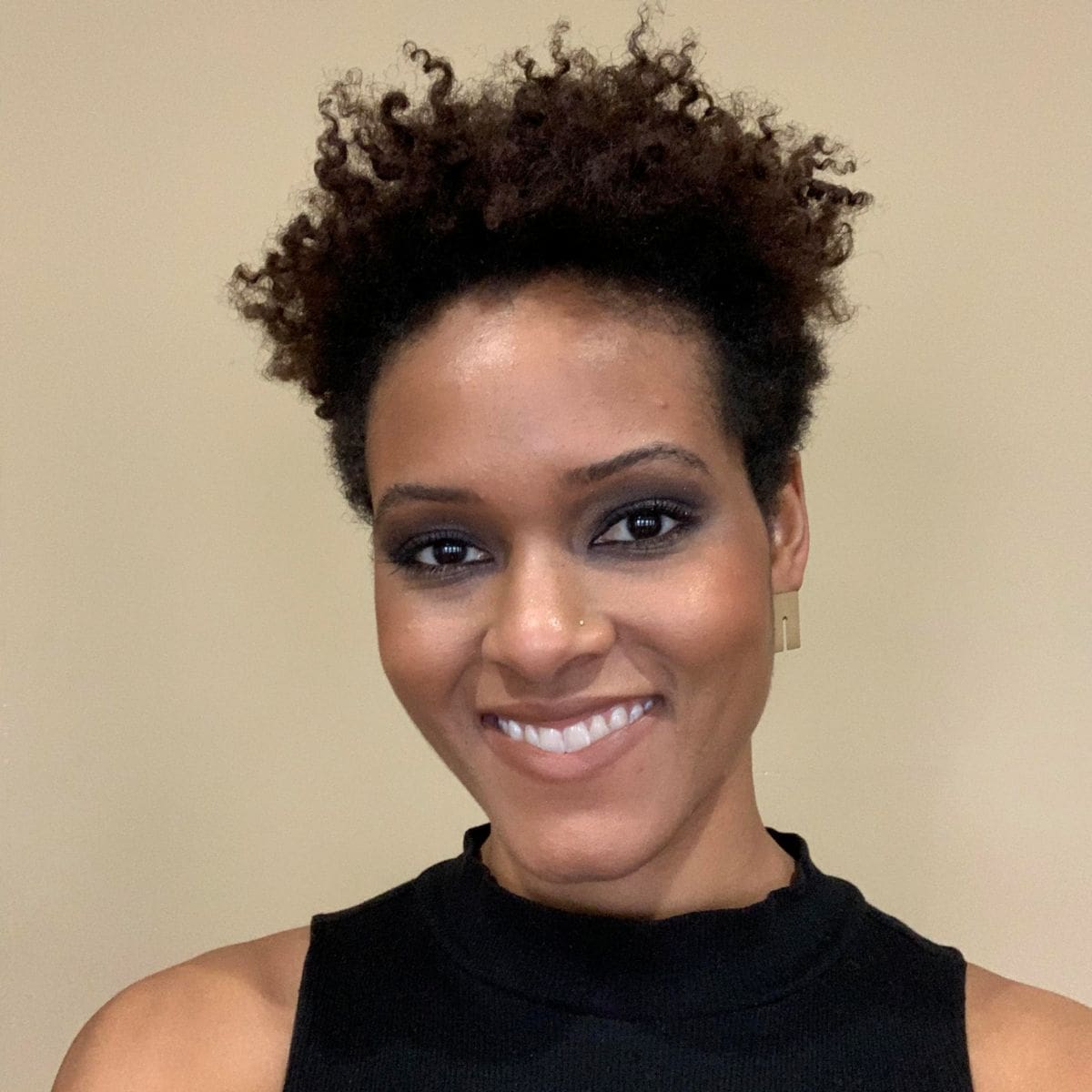
Valerie Papillon, LCSW, CCTP
Clinical Director
Chicago Torture Justice Center
“I want to gently remind BIPOC that you are worthy of rest and nourishment. Ask yourself what nourishing your being is needing and create a daily grounding ritual that can be a consistent touchpoint for you each day. This could be checking in with a loved one, meditating, sitting quietly with yourself and allowing yourself to simply be—noticing your heart beating and the sound of your breath—whatever you see fit! I invite you to do something each day that brings you joy—the internet is full of hilarious content that can provide respite from all the trauma we’re enduring repeatedly. Lastly, remember that you carry within you a legacy of resistance and resilience—draw strength from this truth as often as you need to.”

Kierra Pickens, MA, LCPC
Psychotherapist
Owner, Key Points Counseling
keypointscounseling.com
Accepting New Clients
“Though these activities can look differently for each one of us, it is important to be mindful of creating space and opportunity for self-care. Setting a date or specific block of time can be useful in making sure you are able to make the commitment to yourself. This not only serves as a commitment to yourself but provides something to look forward to during these challenging times.”

Dr. Amanda Rankin
Owner, Thrive Psychological Services
Hyde Park, Chicago, IL
thrivepsychservices.com
“Self-care is one of those things that often gets overlooked; though it is one of the lifelines of good health. For our community, it is that much more critical. Three things you can start doing today:
- Move your body! Whether through dance, walking, exercise, etc.
- Go to a quiet place. Get to know yourself, get comfortable and acquainted with your thoughts and feelings and dreams, journal, meditate, and so on.
- Talk about it with safe people. We often hold things in under the guise of strength but being vulnerable with others is both courageous and cathartic. Be real and honest with your friends, find a therapist, and/or talk to your family.”
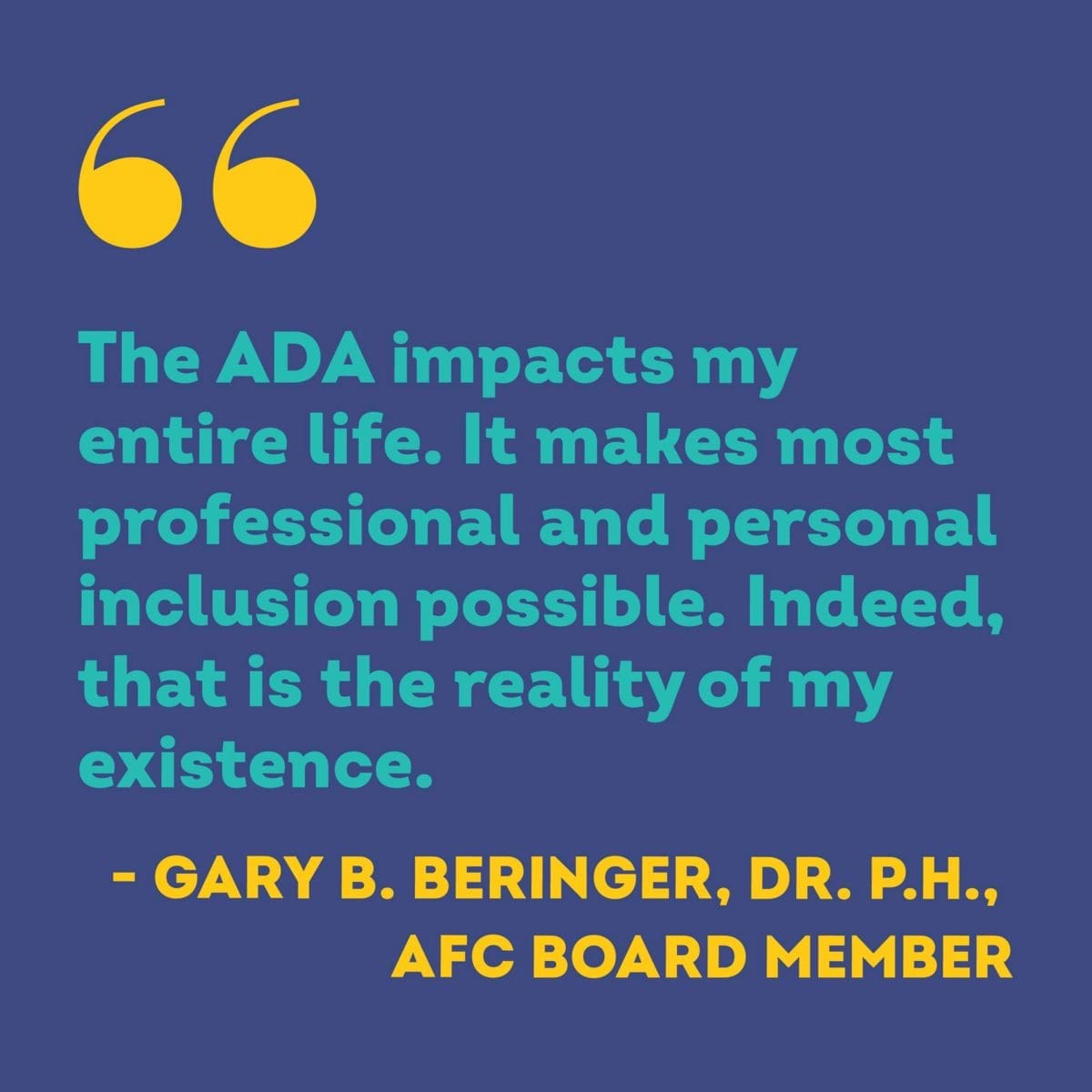 July 26, 2020, marks the 30th anniversary of President George H.W. Bush signing the civil rights legislation of the Americans with Disabilities Act (ADA) prohibiting discrimination of people with disabilities in employment, places of public accommodation, public services, telecommunications, and transportation–as well as state and government programs. This landmark legislation provides people with disabilities equal protections and opportunities to thrive in every form of public life. “The ADA impacts my entire life. It makes most professional and personal inclusion possible. Indeed, that is the reality of my existence,” says Gary B. Beringer, Dr. P. H., AFC board member. The ADA transformed the workplace in ensuring equal and accessible opportunities for all people with disabilities. AFC commemorates this milestone by renewing our commitment to fighting ableism in workplace by working towards full ADA workplace compliance. Visit ADA30 website to celebrate, learn, and share the impact of the ADA and what the next 30 years hold for Americans with disabilities. Visit the Illinois ADA Project for additional resources and referral related to the ADA.
 AIDS Foundation Chicago (AFC)’s Board and staff send our deepest condolences to Ron Fritz’s family and friends. Ron was a dedicated member of the AIDS Marathon Training Program and TEAM TO END AIDS (T2) for 15 years, in addition to fundraising for AIDS Run & Walk Chicago. His devotion to advocating and raising money for people living with HIV and AIDS began after the passing of his wife from AIDS-related complications.
Always with a smile on his face, Ron joined T2 trainings and races not only to participate, but also to cheer on fellow athletes and support as a volunteer. In 2016, Ron was the recipient of the T2 Red Ribbon Club Silver Award, recognizing his efforts in raising more than $25,000 for T2. Throughout his life, Ron supported AFC with over $50,000 through various fundraising programs. As a member of the Sable Sherer Legacy Society, Ron has also made a lasting difference in the mission of AFC by including the organization in his estate planning.
Ron will long be remembered for his positive, generous spirit and his dedicated advocacy for people living with HIV and AIDS.
AIDS Foundation Chicago (AFC) is pleased to announce the launch of Hotel to Home, a project using available hotels in the region to serve people living with HIV who are experiencing homelessness. The goal of the project is to protect people living with HIV from COVID-19 by immediately moving them into hotels and then quickly connecting them to permanent housing options. The project, funded by the Chicago Department of Public Health, will improve both individual and community health while decreasing homelessness in the Chicagoland area. AFC expects to serve 70 people by the end of the year through Hotel to Home.
“When people living with HIV are experiencing homelessness, they face huge obstacles each and every day. Taking medications, finding transportation to medical appointments, and eating healthy food are often impossible to prioritize. These factors can put them at risk of poor health outcomes,” said Pete Toepfer, Senior Vice President of Housing for AFC. “But we know housing is health care. Not only will providing housing protect people living with HIV from COVID-19, it will help them stay healthy in many other facets of their lives.”
In addition to the hotel rooms, AFC will be adding an estimated 45 units of permanent housing to the HIV housing system. The permanent units will be braided with the hotel project to ensure all participants who enter the hotels have a permanent housing option in addition to the temporary safe place to stay. The combination of these resources puts us a step closer to ensuring everyone living with HIV has a place to call home where they can manage their health and thrive.
“When people living with HIV take their medications and become healthy, their viral load becomes undetectable. New research shows that when someone’s viral load is undetectable, they can’t transmit HIV sexually to their partners,” said Brandi Calvert, Senior Director of Housing Operations at AFC. “The housing we are providing will help prevent new cases of HIV in the community by keeping people living with HIV healthy and will advance the goals of Getting to Zero Illinois, which aims to end the HIV epidemic by 2030.”
The hotel and permanent housing opportunities were made possible by grants from the Chicago Department of Public Health using funds from the federal COVID CARES Act as well as Housing Opportunities for Persons with AIDS (HOPWA) funding.
Aisha Davis, AFC’s Director of Policy, said, “AFC appreciates Mayor Lightfoot’s move to deploy funding to help people living with HIV. We also recognize the work that the Illinois Congressional delegation has done to increase funding for the HOPWA program. We are hopeful that our representatives and elected officials will continue to advocate for ongoing support during the COVID-19 pandemic, as well as systemic change that addresses the remaining inequities in Black and Latinx communities.”
Referrals to the Hotel to Home program will come from HOPWA service providers around the Chicagoland area. Those interested in participating in the program should contact their service provider for more information. If you are not already connected to services, please contact AFC at 312.922.2322 for connections to housing resources.
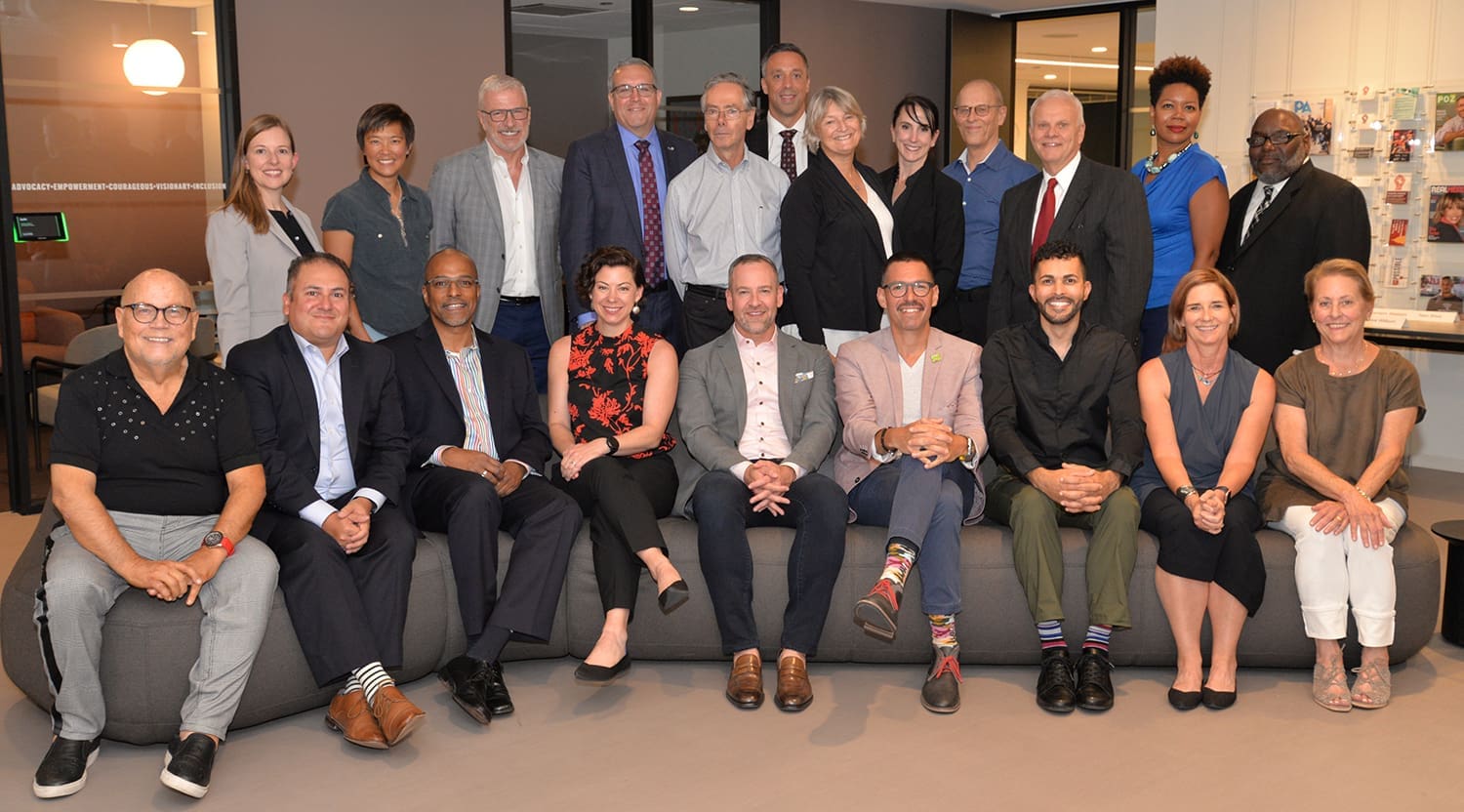 Are you interested in creating equity and justice for people living with and vulnerable to HIV or chronic conditions? If the answer is yes, we have just the volunteer opportunity for you!
AIDS Foundation of Chicago is seeking candidates for Board membership. We’re looking for individuals who can help us achieve our goals of equity and justice by serving on the Board of Directors for AIDS Foundation of Chicago (AFC).
AFC is particularly seeking Board members with expertise in fundraising, strategic planning, social marketing and communications, finance and investments, human resources, and experience in the corporate sector. Previous board experience is helpful, but not necessary.
What does it mean to be a Board member?
Board membership goes beyond traditional volunteering and into the highest level of visionary leadership for the organization, assuming legal and financial responsibilities while serving as a community ambassador for AFC’s mission. Serving as a Board member provides a unique opportunity to put your passion for a social cause into action by applying your experience and expertise to advance an organization’s impact. It’s a rewarding way to serve your community, while learning new skills that can enhance your own career and grow your own personal and professional networks.
More about AIDS Foundation of Chicago
The AIDS Foundation of Chicago mobilizes communities to create equity and justice for people living with and vulnerable to HIV or chronic conditions. Our work is guided by the vision that people living with HIV or chronic conditions will thrive, and there will be no new HIV cases.
For 35 years, AIDS Foundation of Chicago has brought together service providers and funders to develop systems that meet the needs of those living with HIV/AIDS and to maximize the use of scarce resources. AFC manages more than $17 million in local, state, and federal funds for an array of HIV-related services, provides expertise and leads high-quality delivery across the region, as well as housing and other services for people who are formerly homeless and living with chronic conditions.
The AIDS Foundation of Chicago is committed to diversity and ensuring an appropriate balance of skills and experience on our Board and committees. Our Board is comprised of people of different experiences, backgrounds, and opinions. We believe creating an inclusive and diverse culture improves the effectiveness of our Board and better reflects the diverse populations that we serve. We especially encourage people of color (i.e. Black, Latino/Latinx, Native American), those who identify as LGBTQ+, and individuals living with HIV to apply for a position on the Board.
If you are interested, please email John Peller at [email protected] with your resume and a brief letter of interest!